


Following the Hair Growth Journey After DHI Direct Hair Implant in Dubai
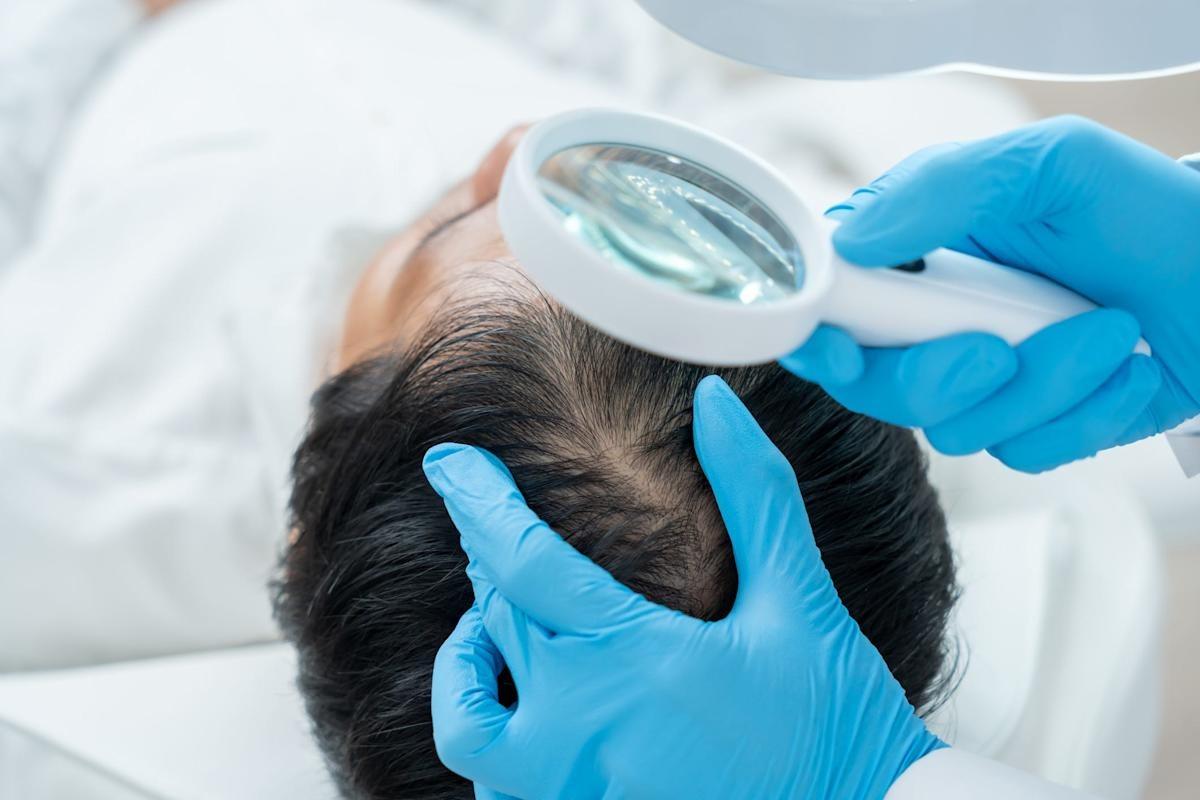
Hair restoration is not defined by the day of implantation alone. The real journey unfolds gradually as the scalp heals, implanted follicles settle, and new hair begins progressing through its natural growth cycle. Understanding these stages can help patients maintain realistic expectations and recognize why visible changes may take time. For individuals considering or undergoing DHI Direct Hair Implant in Dubai, knowing what happens after implantation is an important part of preparing for the overall experience.
DHI involves extracting follicular units and placing them directly into selected recipient areas using an implantation device. Because the follicles are positioned individually, the procedure allows careful attention to factors such as direction, angle, spacing, and distribution. However, the eventual appearance depends on much more than implantation technique. Follicle characteristics, donor quality, scalp condition, healing, postoperative care, and the natural hair-growth cycle can all influence the outcome.
The early period is generally focused on healing rather than immediate hair growth. Temporary redness, sensitivity, small crusts, or swelling can occur, while implanted hairs may later shed as the follicles transition into another phase. This can sometimes be surprising for patients who expect continuous visible growth.
A well-managed recovery therefore requires patience and appropriate aftercare. Instead of judging progress from week to week, patients should consider the broader timeline and follow professional postoperative instructions carefully.
Understanding the Early Healing Phase
Immediately after implantation, the scalp requires time to recover from the extraction and placement process. The recipient area may appear slightly red or show tiny crusts around the implanted follicles. These temporary changes are part of the healing process and generally become less noticeable as the skin recovers.
Patients are commonly advised to avoid unnecessary rubbing, scratching, or pressure on the treated area during the initial recovery period. Washing routines should also follow the specific instructions provided by the treating medical team.
At this stage, visible hair density is not a useful indicator of the final outcome. The priority is protecting the newly implanted follicles while the scalp establishes a suitable environment for continued growth.
Why Shedding Can Happen After Implantation
One of the most misunderstood parts of the hair restoration journey is postoperative shedding. Some implanted hairs may fall out during the weeks following the procedure. This does not necessarily mean that the follicles have been lost.
The follicle exists beneath the scalp and can remain viable while the visible hair shaft is shed. After entering an appropriate growth phase, the follicle can begin producing a new hair shaft.
This temporary shedding is one reason why patients should avoid evaluating their final result too early. Individual experiences vary, and not every patient follows exactly the same timeline.
The Gradual Return of New Hair
After the initial healing and shedding phases, new growth may begin gradually. Early hairs can appear fine, soft, or relatively light compared with mature terminal hairs. Over time, they may increase in thickness and become more noticeable.
The transition is rarely uniform across the entire scalp. Some areas may show earlier growth while others develop more slowly. This variation can occur because follicles have individual growth cycles and may respond differently during recovery.
During this stage, consistent follow-up can be useful. A qualified professional can assess the scalp, monitor development, and determine whether the healing process appears to be progressing appropriately.
Factors That Influence the Final Appearance
The outcome of DHI Direct Hair Implant in Dubai can be influenced by several variables. Donor hair characteristics are particularly important because the available follicles determine what can realistically be transplanted.
Hair caliber, natural curl, follicular-unit composition, existing density, and the extent of hair loss can all affect the visual result. Recipient-area characteristics also matter. A scalp with existing miniaturized hairs may require a different planning approach from an area with extensive loss.
Lifestyle and postoperative care can also influence recovery. Following medical instructions, protecting the scalp during healing, and attending recommended follow-up appointments can help support appropriate recovery.
It is also important to remember that transplanted hair does not necessarily prevent future loss of untreated native hair. Long-term hair management may therefore remain relevant even after transplantation.
How to Choose the Right Approach for DHI Direct Hair Implant in Dubai
Experience and Qualifications
Patients should evaluate the qualifications and clinical experience of the professionals performing the procedure. Hair transplantation requires an understanding of follicular anatomy, donor management, recipient-site design, and aesthetic proportions.
Technology and Techniques
Modern implantation tools can support controlled follicle placement, but technology alone does not determine the quality of an outcome. The technique should be selected according to the patient's anatomy, hair characteristics, degree of loss, and restoration goals.
Safety Standards
A suitable medical environment should maintain appropriate infection-control procedures, sterile equipment, patient monitoring, and clear protocols for managing potential complications.
Consultation Process
A thorough consultation should involve assessment of the donor area, recipient area, hair-loss pattern, medical history, expectations, and likely long-term progression. Patients should have an opportunity to ask questions before deciding whether transplantation is appropriate.
Patient Experience
Clear postoperative instructions and accessible follow-up are important parts of responsible hair restoration care. Patients should understand how to protect the scalp, when normal activities can resume, and which symptoms require professional attention.
Expected Results
A responsible consultation should focus on realistic expectations rather than guaranteed density or a specific visual result. The number of available grafts, existing hair, donor capacity, and individual healing characteristics all influence what can reasonably be achieved.
Frequently Asked Questions
When does hair growth usually become noticeable after DHI?
New growth generally develops gradually rather than immediately. The timing varies between individuals, and early hairs may initially be fine before becoming thicker and more mature.
Is shedding after DHI normal?
Temporary shedding can occur after implantation. Because the visible hair shaft can be shed while the follicle remains beneath the skin, shedding does not automatically indicate treatment failure.
Can transplanted hair look different during early growth?
Yes. Newly emerging hairs can initially appear thin, uneven, or lighter than expected. Their texture and appearance may change as they mature.
How long should patients monitor the result?
Hair restoration is a long-term process. Rather than judging the outcome during the first few weeks, patients should follow their clinician's recommended monitoring schedule and allow sufficient time for maturation.
Can existing natural hair continue to thin after transplantation?
Yes. A transplant relocates selected follicles but does not necessarily stop hereditary or other forms of hair loss affecting untreated native hair. A long-term management plan may therefore be appropriate.
Conclusion
Following the hair growth journey requires patience because follicular recovery, shedding, regrowth, and maturation occur progressively rather than simultaneously. The early appearance of the scalp should not be confused with the eventual result. Careful postoperative management, realistic expectations, appropriate follow-up, and attention to the underlying pattern of hair loss are all important throughout recovery. For those exploring DHI Direct Hair Implant, understanding this gradual process can make the experience more predictable and help patients evaluate their progress from an informed perspective.

 English
 Arabic
 French
 Spanish
 Portuguese
 Deutsch
 Turkish
 Dutch
Dutch
 Italiano
 Russian
 Romaian
 Greek
Greek