


Just Bought a Toronto Home With Old Carpets? What Should Be Professionally Steam Cleaned Before You Move In?
Getting the keys to a home feels great. Then the previous owner's furniture disappears and you get your first proper look at the floors.
That is often when old carpet starts telling its story.
A first-time homeowner shared a similar experience online after buying a house where the previous owners had a Golden Retriever. The buyer had the house and carpets professionally cleaned before moving in, yet a strong dog smell remained, especially in the bedroom. Replacing the carpet was not an easy choice after all the other costs that came with buying the home.
That is one homeowner's experience, not proof that every old carpet hides a serious problem. It does show why the short period between getting the keys and moving your furniture in is so useful.
Toronto buyers have another reason to pay attention to older finishes. Statistics Canada recorded 1,160,890 occupied private dwellings in Toronto in the 2021 Census. Of those, 340,185 were built in 1960 or earlier, while another 333,990 were built between 1961 and 1980.
Put those numbers together and about 58% of Toronto's occupied private dwellings were built in 1980 or earlier. Of course, that does not mean the carpet is that old. Flooring may have been replaced several times. It simply shows how common older housing is across Toronto.
If you have bought a home with existing carpet, the goal should not be to steam clean everything without looking at it first. Some carpet is worth professionally cleaning. Some need special attention. Wet, mouldy or badly damaged carpet may need a completely different approach.
Here is what deserves your attention before the moving boxes arrive.
Inspect Every Carpeted Room Before Cleaning Begins
Start with a slow walk through the empty house.
Look at the carpet in daylight if possible. Check for dark traffic lanes, old stains, worn areas, damaged seams and colour changes. Move through bedrooms, closets, hallways and stairs. Pay extra attention to the basement.
Then use your nose.
A strong pet smell can point to old contamination. A musty or earthy smell can be more concerning because it may indicate a moisture problem.
Health Canada recommends looking for stains and discolouration on carpets, floors and walls when checking a home for excess moisture. It also says to watch for condensation, evidence of leaks and musty or earthy odours.
That makes inspection more than a cosmetic exercise.
You could spend hours of research comparing cleaning equipment and products, but the first question is much simpler: Is this carpet dry, sound and worth keeping?
If the answer is yes, professional cleaning may be the right next step. If you see moisture, mould or serious damage, investigate the cause before adding more water through any cleaning process.
Steam Clean Wall-to-Wall Carpet That Is Dry and Worth Keeping
Wall-to-wall carpet in bedrooms, living rooms and family rooms should be high on your pre-move cleaning list if it is in good condition.
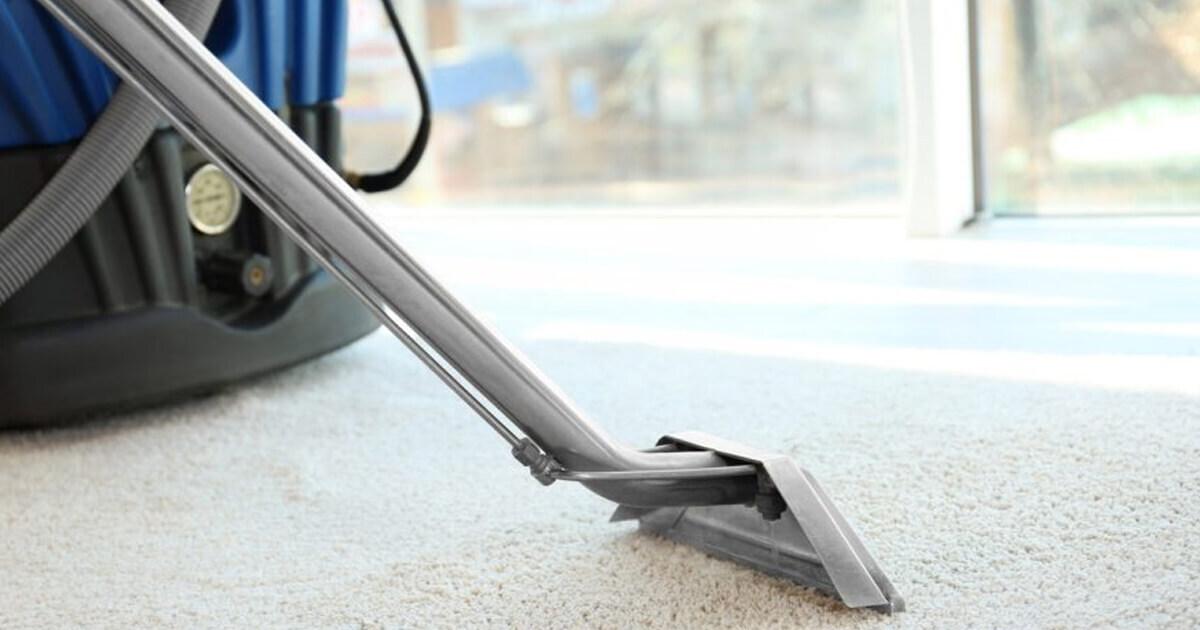
A normal vacuum is important for routine care, but it mainly deals with loose soil and debris. Professional hot water extraction goes further by applying water and an appropriate cleaning solution before extracting loosened soil and moisture.
This process is commonly called steam cleaning.
Having professional steam cleaning done before you move in also solves a simple practical problem. The rooms are empty.
There is no king-size bed covering most of a bedroom. There is no sectional sofa blocking the family room. Closets have not been filled with shoes and storage boxes. A cleaner can access far more of the carpet now than after you settle into the house.
Still, cleaning should match the condition and material. Old stains, fibre type, pet contamination and water history can affect what treatment is appropriate.
Make Carpeted Bedrooms a Priority
If you have limited time before moving day, start with the bedrooms.
Once beds, dressers and other heavy furniture arrive, large sections of the carpet become difficult to reach. Cleaning an empty bedroom gives you access to almost the entire floor.
Bedrooms are also places where dust control deserves attention.
Health Canada says dust mites can live in carpets, beds and furniture, as well as other places where dust collects. Dust and dust mites can cause allergic reactions and aggravate existing health conditions such as asthma.
Its recommendations include frequent vacuuming of carpets and soft furnishings. It also suggests considering a vacuum with a HEPA filter to trap small particles.
There is an important limit to this advice.
Professional carpet cleaning should not be described as a cure for asthma or allergies. That would overstate what cleaning can do. Think of carpet cleaning as one part of good household care. Regular vacuuming, moisture control and ventilation still matter after you unpack.
If a child's room has old carpet, cleaning it while empty is especially practical because you can also deal with the closet before beds, toys and storage furniture fill the space.
Do Not Ignore Carpeted Stairs and Hallways
Stairs and hallways may contain less carpet than a bedroom, but they often take much more punishment.
People tend to walk along the same narrow path through a hallway. On stairs, feet repeatedly land on similar parts of each tread.
Over the years, these high-traffic areas can look darker than the carpet near the walls.
Ask the cleaner to look at these areas before treatment. A dark traffic lane may contain built-up soil, but appearance alone does not tell the whole story. Years of use can also crush or wear carpet fibres.
That distinction matters because cleaning removes soil. It does not rebuild damaged fibres.
Cleaning the stairs before moving day also makes practical sense. Movers will soon be carrying furniture and boxes through the house. Starting with clean carpet gives you a known baseline. After the move, you can vacuum away the loose dirt brought in during moving day.
Treat Basement Carpet Differently
This is where a Toronto homeowner should slow down.
Do not automatically steam clean an old basement carpet just because the upstairs carpet is being cleaned.
First, look for moisture.
Check the carpet around exterior walls, basement windows and baseboards. Look for stains or unusual colour changes. Notice whether any part of the room has a persistent musty smell.
Health Canada says mould can begin growing in an area with excessive moisture within 48 hours. It specifically advises checking basements and other parts of the home for signs of leaks, condensation, flooding, stains and musty odours.
Its guidance goes further. Carpets that have become wet, have been exposed to damp conditions or have been stored in a wet environment may need to be thrown away because mould can begin to grow quickly.
That is an important difference.
A dry basement carpet with ordinary household soil may be suitable for professional cleaning. A wet or mouldy carpet should not simply receive another cleaning treatment while the source of the moisture remains unresolved.
The City of Toronto also says the underlying cause of water accumulation or prolonged high humidity must be corrected or mould can continue to grow or return.
For larger mould problems, Toronto recommends professional help. The city classifies 4 square metres or more of mould contamination as a large or extensive area that should be addressed by someone trained in mould remediation.
So if the basement smells musty, find the reason first. A leaking foundation, plumbing problem, condensation or previous flooding changes the situation from ordinary carpet cleaning to moisture investigation.
Take Old Pet Odours Seriously
Pet smells can be one of the hardest surprises to deal with after closing.
During a showing, furniture, open windows and fragrances may make a smell less noticeable. Once the home is empty, the problem can become much clearer.
One homeowner described buying a house where the previous owners had kept a large dog. They had the carpet professionally cleaned before moving in, yet the dog smell remained in one carpeted room.
Another property owner shared a different experience after tenants with two dogs moved out. The carpet initially looked acceptable. After cleaning, the owner reported a much stronger wet-dog and pet-waste smell. They later used a black light and found numerous areas they believed were old pet stains.
These are personal homeowner experiences, not scientific studies. Their value is practical. They show why a persistent smell should not automatically be treated as a surface problem.
Pet urine can sometimes travel through the carpet into the backing and underpad. In more severe cases, the material below may also need attention.
If you know pets live in your new home, tell the cleaning professional before work begins. Point out any visible stains and rooms where the smell is strongest.
If an odour remains after appropriate cleaning, do not keep trying to cover it with fragrance. The next step may be to inspect beneath the carpet and determine how far the contamination has travelled.
Clean Carpeted Closets While They Are Empty
Closets are easy to forget during a move.
They are also annoying to clean once they are full.
If a bedroom has wall-to-wall carpet that continues into the closet, have the closet inspected at the same time. Years of boxes, shoes and stored belongings can leave parts of the floor difficult to vacuum properly.
This is especially worthwhile if you are already cleaning the bedroom. It is much easier to deal with the whole space before clothing racks and storage boxes are filled.
Pay attention to odours here too.
A musty closet does not automatically mean the carpet is dirty. Check nearby walls and baseboards for moisture. If plumbing runs behind the wall, consider whether a leak could be involved.
Normal soil calls for cleaning. Unexplained dampness calls for investigation.
Be Careful With Area Rugs Left in the Home
Sometimes a seller leaves an area rug behind. You may also be bringing rugs from your previous home.
Do not assume that every rug should be treated exactly like wall-to-wall carpet.
Area rugs can contain wool, synthetic fibres and other materials. Their backing, construction and dyes also vary. The safest cleaning process depends on what the rug is made from and its current condition.
An older, valuable or unidentified rug should be assessed before deep cleaning.
The same thinking applies to rugs you already own. If you are going to the trouble of preparing a clean home, look at what you are bringing into it.
A rug that spent years in a busy entrance or a home with pets may carry soil, hair and odours into your new space. Cleaning it before putting it onto a freshly cleaned floor can make more sense than dealing with it later.
Consider the Upholstered Furniture You Are Moving In
Your old sofa may deserve attention too.
Health Canada specifically identifies furniture along with carpets as places where dust mites can live. Toronto Public Health also lists dust, pet dander, dust mites and mould among factors that can affect indoor air quality.
This matters because Toronto Public Health reports that urban Canadians spend almost 90% of their time indoors.
That does not mean every chair and sofa needs professional cleaning. Look at the actual condition.
Furniture with visible soil, persistent odours or heavy pet exposure may be worth cleaning before or shortly after the move. A well-maintained sofa may simply need routine care.
Fabric type matters as well. Upholstery can contain materials that respond differently to water and cleaning products, so the cleaning method should be chosen for the fabric rather than assuming every soft surface should receive the same treatment.
Know When Cleaning Is Not the Right Answer
One of the most useful decisions you can make is knowing when to stop trying to save old carpet.
Professional cleaning can remove soil from suitable carpet. It cannot reverse physical wear, repair damaged backing or solve an active moisture problem.
Consider replacement or further investigation when the carpet has extensive mould, severe water damage, badly deteriorated fibres or contamination that has travelled deep into the underpad.
Health Canada advises throwing away carpets and other porous furnishings that have become wet or have been exposed to damp conditions where mould may develop.
Physical wear also needs to be separated from dirt.
If a hallway looks dark because of soil, cleaning may improve it considerably. If the fibres themselves have been worn down by years of foot traffic, cleaning cannot replace missing material.
This is why an honest condition assessment is useful before spending money on repeated treatments.
Clean at the Right Point in Your Moving Schedule
Timing matters almost as much as the cleaning itself.
If you plan to sand, drill, patch walls or complete other dusty work, do that first. Otherwise, dust from the renovation can settle onto the carpet you have just cleaned.
A sensible order is straightforward:
-
Inspect the empty rooms first. Look for stains, pet odours, moisture, mould and physical damage before deciding what can be cleaned.
-
Complete dusty repairs and renovation work. Do not deep clean the carpet and then create another layer of construction dust.
-
Vacuum and professionally clean suitable carpet. Empty bedrooms, stairs, hallways and closets are easier to access now.
-
Allow the carpet to dry properly. Avoid immediately covering damp carpet with boxes, plastic or heavy furniture.
-
Move in after the carpet is dry. You now have a cleaner starting point for regular household care.
Moisture control remains important after cleaning. Toronto Public Health currently recommends keeping indoor humidity between 30% and 50%. Health Canada's dust-mite guidance recommends 35% to 50% relative humidity for reducing indoor moisture and dust-mite exposure.
The exact drying time after cleaning can vary with carpet thickness, fibre type, humidity, temperature and airflow. Rather than relying on a universal number, ask what is reasonable for your carpet and home conditions.
What Should You Ask Before Professional Carpet Cleaning?
You do not need to become a carpet expert. You do need to explain what you know about the property.
Tell the cleaner if pets previously lived there. Point out old stains and unusual smells. Mention any known basement leaks, flooding or dampness.
Ask whether the carpet will be inspected before treatment and what method is appropriate for its fibre and condition.
Most importantly, ask what results are realistic.
Some stains permanently alter carpet fibres. Physical wear cannot be washed away. Pet contamination that has reached the underpad may require more than surface cleaning. Mould and continuing moisture problems need the cause corrected first.
A realistic assessment is far more useful than assuming every old carpet can be made like new.
Give Your Toronto Home a Clean Start Before Moving Day
The best time to understand old carpet is when nothing is sitting on top of it.
Walk through every carpeted room before moving in. Prioritize dry wall-to-wall carpet in bedrooms and living spaces. Check stairs, hallways and closets that will become harder to reach once the house is furnished.
Be more cautious with basement carpet. If you find moisture, mould or a musty smell, investigate the source before arranging ordinary carpet cleaning.
Take pet odours seriously too. A smell that remains after appropriate treatment may be coming from the underpad or material underneath.
The decision becomes much easier when you stop thinking of every old carpet as the same problem.
Dry, structurally sound carpet with normal household soil may be worth professionally steam cleaning. Wet, mouldy, deeply contaminated or badly worn carpet needs further investigation and may need to be removed.
Your goal is not to make an old floor magically new. It is to know what you are moving onto, clean what can reasonably be cleaned and identify problems while every corner of the house is still accessible.
Once the beds, sofas, dressers and moving boxes arrive, you will be glad you dealt with the floors first.
Frequently Asked Questions
Should you steam clean carpets before moving into a Toronto home?
If the carpet is dry, structurally sound and worth keeping, the empty-house period is an ideal time to have it professionally cleaned. Bedrooms, closets and areas that will sit under heavy furniture are much easier to reach before moving day.
Should you steam clean a musty basement carpet?
Not before finding out why it smells musty. Health Canada says mould can begin growing where excessive moisture is present within 48 hours. Check for dampness, leaks, water damage and mould first, then correct the moisture source before deciding whether cleaning is appropriate.
Can professional carpet cleaning remove old pet smells?
It depends on how deeply the contamination has travelled. Odour within the carpet may respond to appropriate treatment, but contamination in the backing, underpad or material below can require additional work or replacement.
Does every old carpet need to be replaced before moving in?
No. Age alone is not enough reason to replace carpet. Dry and structurally sound carpet may still respond well to professional cleaning. Carpet with serious mould, water damage, deep contamination or severe physical wear may be a better candidate for removal.
What carpets should be cleaned first before moving in?
Start with usable wall-to-wall carpet in bedrooms and main living areas. Then address stairs, hallways and carpeted closets. Basement carpet should be inspected for moisture before any deep cleaning is scheduled.

 English
 Arabic
 French
 Spanish
 Portuguese
 Deutsch
 Turkish
 Dutch
Dutch
 Italiano
 Russian
 Romaian
 Portuguese (Brazil)