


Improving Compressed Air Reliability With Dew Point Monitoring
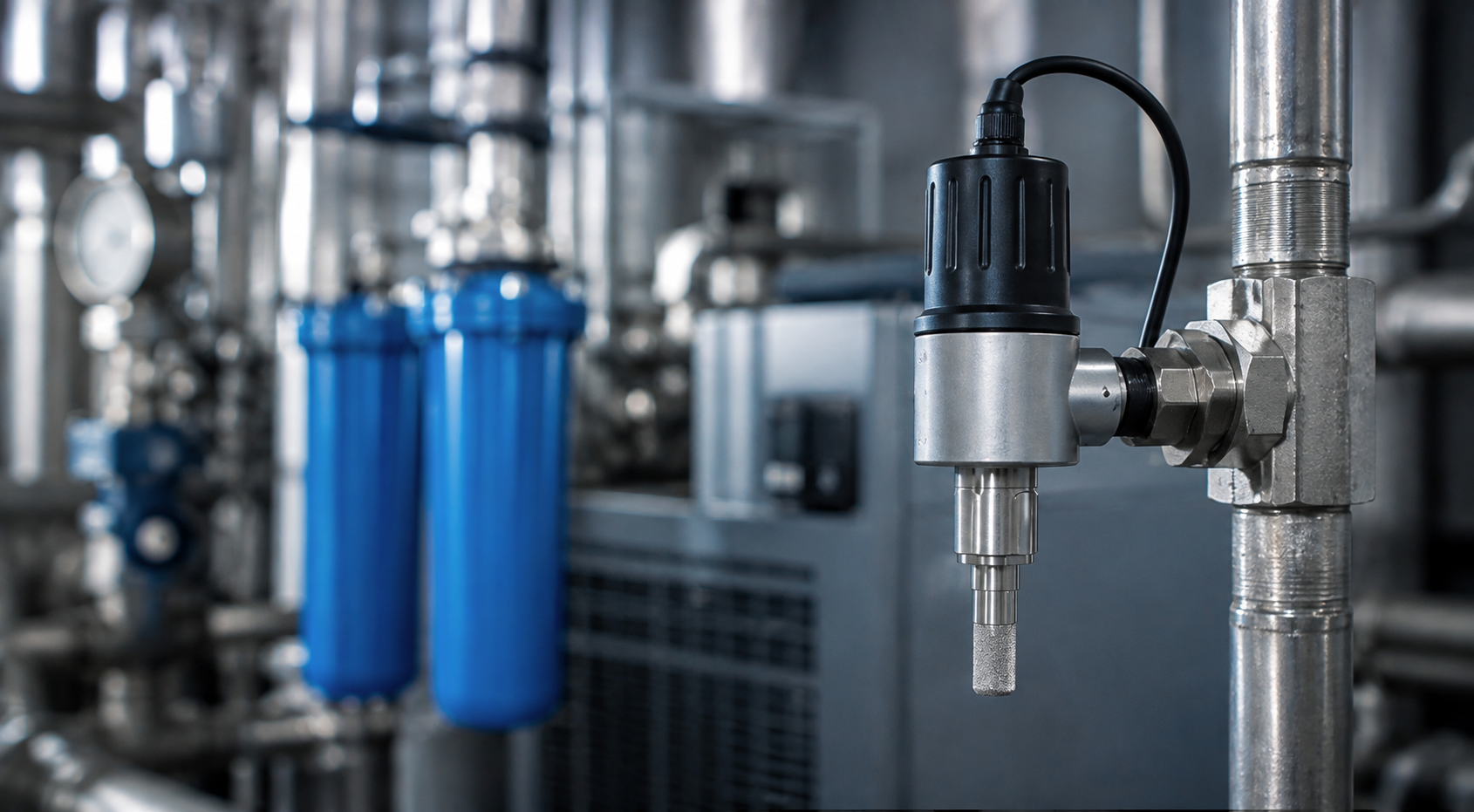
Compressed air serves as a vital energy source across modern industrial manufacturing, powering everything from automated assembly lines to precision pneumatic machinery. However, ambient air naturally contains atmospheric humidity that becomes heavily concentrated during the mechanical compression process. When compressed air cools within distribution pipework, this invisible water vapor condenses into liquid water, creating severe operational challenges. Unmanaged moisture leads to internal pipe corrosion, rust contamination, premature wear on expensive pneumatic tools, and costly production downtime. Safeguard industrial air systems by continuous dew point monitoring, allowing plant engineers to detect moisture spikes before they cause irreversible damage.
Industrial solutions providers like JAMS Engineering at offer specialized instrumentation and technical expertise designed to keep compressed air networks operating at peak efficiency. Implementing high accuracy monitoring devices such as the FA 510 allows operators to track pressure dew point fluctuations down to extreme low temperature ranges with exceptional long term stability. Utilizing high quality industrial sensors guarantees reliable data collection across desiccant and refrigerated dryer setups. Partnering with experienced engineering specialists ensures seamless sensor installation, precise system calibration, and comprehensive technical support tailored to specific process requirements.
Understanding Moisture Dynamics in Compressed Air Systems
The physics of air compression dictates that ambient relative humidity rises exponentially when volume decreases under pressure. As atmospheric air enters the intake manifold of a compressor, it carries a dynamic volume of ambient moisture depending on localized weather conditions and ambient temperatures. During compression, the air temperature rises rapidly, allowing it to temporarily retain this moisture in a vapor state. However, as the hot compressed air moves downstream through aftercoolers, receiver tanks, and distribution pipework, rapid cooling occurs, forcing the water vapor past its saturation limit.
When compressed air reaches its dew point temperature at operating pressure, gaseous water vapor transitions into liquid condensate. This liquid moisture combines with residual compressor lubricants, ambient dust, and microparticles to form an aggressive abrasive slurry. If allowed to flow unchecked through distribution lines, this acidic condensate strips essential lubrication from pneumatic cylinders, corrodes delicate internal valve seals, and causes extensive rust flaking inside steel piping networks. Understanding these condensation dynamics highlights why accurate dew point monitoring is essential for total system protection.
Pressure dew point differs significantly from atmospheric dew point because increased system pressure reduces the air capacity to hold water vapor. A system operating at standard atmospheric pressure may display a safe dew point reading, but under typical operating pressures of 7 to 10 bar, that same air reaching pneumatic machinery drops below the threshold of condensation. Continuous measurement ensures air dryers function correctly and guarantees that delivered air meets strict ISO 8573 air purity classes for moisture content.
Key Features and Technical Capabilities of Dew Point Sensors
Modern industrial dew point transmitters combine advanced sensor element technology with rugged stainless steel housing designed for harsh operating environments. High quality sensors utilize thin film capacitive polymer technology engineered to respond rapidly to micro changes in ambient humidity levels. This fast response time allows monitoring systems to detect immediate dryer failures, valve leaks, or sudden ambient moisture spikes, enabling maintenance teams to take preventative corrective action long before liquid water reaches critical production machinery.
A major technical advantage of advanced dew point sensors is their integrated signal processing capabilities. High performance transmitters provide standard 4 to 20 mA analog outputs alongside digital interfaces such as Modbus RTU, allowing direct integration into existing supervisory control and data acquisition systems. These dual output configurations enable dual functionality: transmitting continuous real time values to plant operators while simultaneously communicating diagnostic parameters, alarm limits, and calibration data over digital bus networks.
Robust mechanical design ensures long term operational reliability across demanding pressure ranges and challenging industrial ambient conditions. Premium dew point sensors incorporate sintered stainless steel filter caps that shield delicate internal measurement elements against particulate contamination, oil droplets, and high velocity airflow. High pressure ratings up to 50 bar, combined with wide measurement ranges spanning from minus 80 degrees Celsius to plus 20 degrees Celsius pressure dew point, make these instruments versatile assets across refrigerated, desiccant, and membrane drying processes.
Impact of Uncontrolled Moisture on Industrial Operations
Uncontrolled moisture inside compressed air systems acts as a constant, hidden catalyst for mechanical failure and unexpected maintenance expenditure. In automated manufacturing processes, liquid condensate washes away essential grease from high speed pneumatic actuators, leading to increased friction, seal degradation, and positioning errors. Over time, physical corrosion within pneumatic valves causes spool binding and complete component lockup, triggering sudden assembly line stoppages and expensive emergency repairs.
Beyond mechanical machinery wear, moisture directly compromises final product quality across sensitive industries like pharmaceuticals, food processing, electronics, and precision painting. In food and beverage packaging lines, excessive humidity creates an ideal breeding ground for bacterial growth, mold, and micro biological contamination inside air supply lines. In automotive spray booths, trace water droplets present in atomizing air cause severe paint defects such as blistering, pinholes, and poor adhesion, forcing expensive product rework and scrap generation.
Financial losses stemming from moisture damage extend to overall energy inefficiency and shortened equipment lifespans. Water accumulation in low lying pipe runs restricts internal cross sectional flow area, causing artificial pressure drops across the distribution network. To compensate for these pressure losses, plant engineers often turn up compressor pressure settings, consuming significantly more electrical energy. Implementing continuous dew point monitoring protects downstream equipment while optimizing dryer regeneration cycles for optimal energy conservation.
Step by Step Installation and Piping Integration Guide
Proper physical positioning within the compressed air pipeline is critical to obtaining accurate and responsive dew point measurements. The sensor element must sample a representative flow of compressed air without being exposed to direct liquid condensate accumulation or standing oil pools. Installing the sensor via a dedicated measuring chamber with a quick coupling valve allows for easy maintenance, simple sensor removal, and controlled sample flow rate adjustment without shutting down the main line pressure.
Positioning the sensor immediately downstream of desiccant or refrigerated dryers provides direct verification of air treatment performance. Placing secondary sensors at critical point of use applications offers additional protection for high value automated machinery or sensitive process zones. Utilizing sample cells equipped with defined capillary purge lines ensures a constant, low velocity air sweep across the sensor face, guaranteeing swift detection of humidity variations while preventing thermal interference from surrounding ambient air.
Electrical wiring and signal integration require careful attention to industrial noise immunity and proper grounding practices. Connecting the sensor using shielded M12 cabling prevents electromagnetic interference generated by nearby heavy motor drives, inverters, and high voltage power lines. Configuring alarm threshold relays inside digital display units allows facility managers to set multi stage warning indicators, triggering visual beacons or automated isolation valves when pressure dew points exceed target safety limits.
Energy Efficiency Optimization through Smart Dew Point Control
Integrating accurate dew point monitoring directly into compressed air control schemes unlocks major energy saving potential across industrial facilities. Desiccant air dryers typically run on fixed timer cycles, regenerating desiccant towers after set time intervals regardless of actual moisture load or ambient seasonal variation. This static operation consumes large quantities of valuable purged compressed air or high wattage electric heating energy, resulting in significant electrical waste during periods of low air demand.
Dew point dependent switching control revolutionizes dryer operation by dynamically managing regeneration cycles based on real time humidity measurements. By installing a high precision dew point sensor at the dryer outlet, the control system extends the drying phase until the desiccant bed actually reaches its moisture saturation threshold. Deferring unnecessary tower regeneration cycles drastically reduces purge air loss and lowers overall kilowatt hour consumption, allowing manufacturing plants to recover sensor investment costs within a few months of continuous operation.
Energy efficiency extends to refrigerated dryer management as well, where continuous tracking helps optimize thermal mass cycling and hot gas bypass operations. Monitoring real time dew point trends enables energy managers to detect early signs of heat exchanger fouling, refrigerant loss, or cooling fan degradation before temperature excursions compromise downstream air quality. Implementing smart sensor based control converts traditional compressed air treatment into an intelligent, demand responsive energy management asset.
Maintaining Calibration and Long Term Measurement Accuracy
Maintaining reliable moisture measurement accuracy over years of continuous industrial operation requires a structured calibration and maintenance strategy. Sensor elements operating in harsh compressed air environments face constant exposure to high velocity air streams, trace oil vapors, ambient dust, and rapid pressure fluctuations. Over extended periods, these environmental stressors can cause slight measurement drift, making periodic calibration verification a mandatory best practice for compliance with quality management systems like ISO 9001.
Professional calibration involves comparing sensor output readings against certified reference standards traceable to national metrology institutes. Utilizing specialized portable calibration devices equipped with integrated reference sensors allows field technicians to perform fast verification checks on site without removing the sensor from service. If significant deviation occurs, adjusting factory calibration curves via software software interfaces restores full measurement precision across the sensor entire operating spectrum.
Routine sensor care involves inspecting and cleaning the outer sintered stainless steel protective cap. Oil mist or solid particulate buildup on the filter cap restricts airflow to the internal sensor element, causing sluggish response times and false readings. Safely unscrewing the filter cap, cleaning it with suitable solvent baths, and replacing contaminated filter elements ensures unimpeded sample flow and maintains rapid response characteristics. Establishing routine maintenance intervals guarantees uninterrupted system protection and maximum sensor longevity.
Selecting the Right Measurement Range for Your Application
Selecting an appropriate dew point measurement sensor requires careful evaluation of the specific air drying technology utilized within your facility. Industrial air treatment plants generally divide into two main categories: refrigerated air dryers and desiccant adsorption dryers. Refrigerated dryers typically yield pressure dew points between plus 3 degrees Celsius and plus 10 degrees Celsius, making them ideal for general plant air applications where ambient temperatures remain well above freezing.
Desiccant adsorption dryers are required for critical processes demanding ultra dry air, achieving pressure dew points ranging from minus 20 degrees Celsius down to minus 80 degrees Celsius. Operating in these extreme sub zero pressure dew point ranges requires sensors equipped with highly sensitive capacitance measurement elements capable of detecting minute trace water vapor concentrations measured in parts per million. Matching the sensor measurement span to the operating threshold of your dryer technology ensures maximum sensitivity and long term operational reliability.
For facilities operating complex distribution networks with multiple air treatment zones, standardizing on versatile sensors with wide measurement spans simplifies spare parts inventory and streamlines maintenance procedures. Installing high range sensors across all distribution nodes allows maintenance technicians to use identical replacement units whether servicing primary air compressor stations, regional desiccant dryers, or localized point of use filtration units.
Frequently Asked Questions
What is the difference between pressure dew point and atmospheric dew point?
Pressure dew point measures the exact temperature at which water vapor condenses into liquid water while the air is under elevated operating pressure. Atmospheric dew point refers to condensation temperature after the air expands back down to normal atmospheric pressure. Because compressing air concentrates water vapor, the pressure dew point is always significantly higher than the atmospheric dew point.
How often should a dew point sensor be calibrated in industrial environments?
Industrial best practices recommend calibrating dew point sensors once every 12 months. Facilities operating under strict ISO quality standards or critical manufacturing processes like pharmaceuticals may require calibration checks every 6 months to guarantee continuous measurement accuracy and compliance.
Where is the best physical location to install a dew point sensor in a compressed air line?
The optimal installation location is immediately downstream of the air dryer and receiver tank, before compressed air enters the main plant distribution header. Secondary sensors should be installed at critical point of use applications to protect sensitive machinery from localized pipeline condensation.
Can a dew point sensor survive direct exposure to liquid water slug in the pipe?
High quality industrial dew point sensors feature protective sintered stainless steel filter caps that shield the measurement element from liquid water droplets and physical particles. However, long term immersion in standing liquid water or heavy oil contamination degrades response time and requires immediate cleaning or recalibration.
How does dew point monitoring help reduce facility energy costs?
Connecting a dew point sensor to a desiccant air dryer enables dew point dependent switching control. Instead of regenerating drying towers on a fixed timer, regeneration occurs only when moisture saturation is detected, eliminating unnecessary purge air loss and saving substantial electrical energy.
Wrapping Up
Continuous pressure dew point measurement is an essential requirement for maintaining high quality, energy efficient, and reliable compressed air systems across modern industrial facilities. By identifying trace moisture buildup before liquid water condenses inside pipelines, accurate monitoring safeguards expensive pneumatic machinery, preserves product purity, and prevents costly emergency production downtime.
Advanced transmitter features like fast response times, robust stainless steel housing, and flexible digital interface protocols ensure seamless integration into modern plant automation frameworks. Implementing professional sensor technology combined with proactive maintenance and regular calibration transforms compressed air management from a passive operational risk into a controlled, highly optimized utility process.

 English
 Arabic
 French
 Spanish
 Portuguese
 Deutsch
 Turkish
 Dutch
Dutch
 Italiano
 Russian
 Romaian
 Portuguese (Brazil)