


Corporate Tax Planning and Business Tax Strategies Guide
Introduction
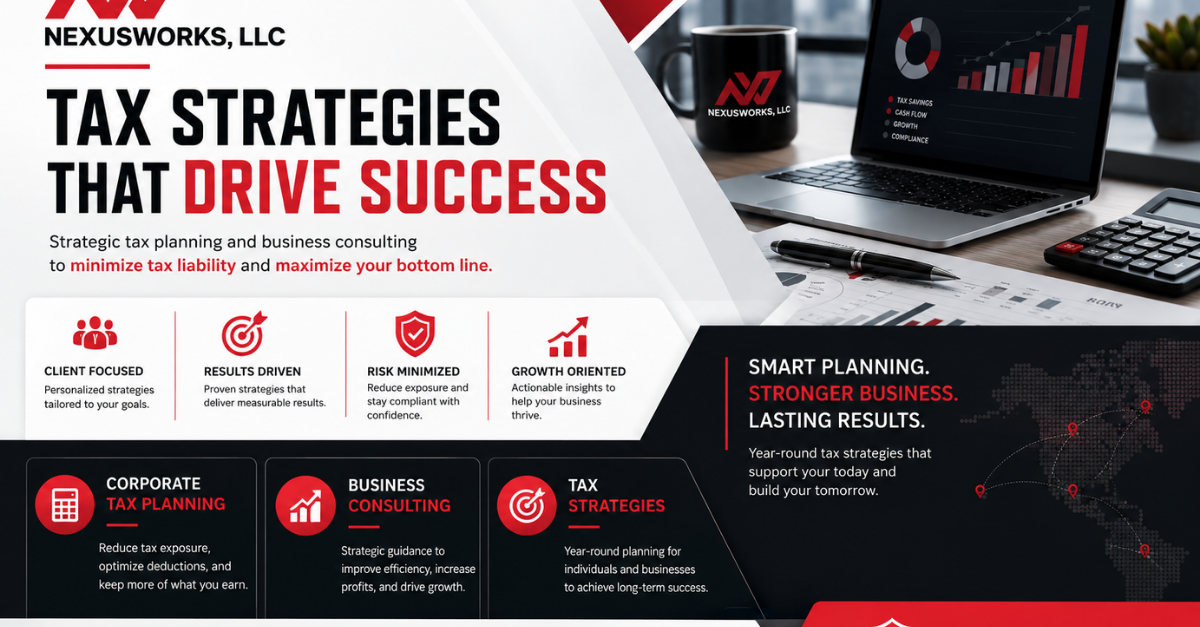
Corporate tax planning is an important part of managing a successful business. Every company wants to control costs, maintain healthy cash flow, and remain compliant with tax requirements. A well-planned tax strategy can help businesses make smarter financial decisions while avoiding unnecessary tax expenses and compliance problems.
Business tax strategies should not be limited to preparing and filing tax returns. Effective planning takes place throughout the year and considers income, expenses, investments, business structure, deductions, and future growth. By taking a proactive approach, businesses can prepare for tax obligations instead of dealing with unexpected costs at the end of the year.
Whether you operate a small business, established company, or growing corporation, understanding corporate tax planning can help you build a stronger financial foundation.
Understand Your Business Tax Position
The first step in effective tax planning is understanding your current tax position. Businesses should regularly review their income, expenses, profits, previous tax returns, and expected financial performance.
Having an accurate view of your finances makes it easier to estimate future tax obligations. It also helps identify areas where the business may be paying more than necessary or missing legitimate tax opportunities.
Good bookkeeping is essential for this process. Organized financial records allow business owners and tax professionals to identify deductible expenses, monitor cash flow, and prepare accurate financial reports.
Regular financial reviews are more useful than waiting until the tax deadline. They give businesses time to make informed decisions before the end of the financial year.
Identify Available Tax Deductions
Tax deductions are an important part of many business tax strategies. Eligible deductions can reduce taxable business income and may lower the overall tax liability.
Depending on the business and applicable tax laws, deductible expenses may include employee wages, professional services, office expenses, insurance, advertising, technology, business travel, and other legitimate operating costs.
Businesses should keep detailed records and supporting documents for eligible expenses. Poor documentation can make it difficult to support deductions and may create problems during a tax review.
The goal should not be to claim every possible expense without proper consideration. Instead, businesses should identify legitimate deductions and maintain accurate records to support them.
Review Your Business Structure
Business structure can have a significant impact on taxation and financial planning. Different structures may have different tax rules, reporting requirements, and responsibilities.
As a business grows, its original structure may no longer be the best fit. Changes in revenue, ownership, employees, investments, or expansion plans can create reasons to review the current structure.
Business owners should consider both current needs and long-term goals when evaluating their structure. Professional tax advice can help identify potential consequences before making structural changes.
A well-planned structure can support better financial management while helping the business remain compliant with applicable tax requirements.
Plan Business Investments Carefully
Investments in equipment, technology, property, and other business assets can affect a company's tax position. Businesses may be able to use applicable depreciation or other tax provisions for qualifying investments.
However, tax savings should not be the only reason to make a purchase. A business should first determine whether an investment supports its operational goals.
For example, upgrading technology may improve productivity, while new equipment may increase production capacity. Once the business value of the investment is clear, its tax treatment can be considered as part of the overall decision.
This approach makes corporate tax planning more effective because tax considerations become part of a broader financial strategy rather than the sole reason for spending money.
Manage Cash Flow and Tax Payments
Tax obligations can create cash flow challenges when businesses do not plan ahead. Companies should estimate their expected tax liabilities and consider how upcoming payments may affect working capital.
Regular financial forecasting can help businesses prepare for tax payments while continuing to cover payroll, operating expenses, investments, and other financial commitments.
Setting aside funds throughout the year can also reduce the pressure of a large tax payment. Businesses with changing income should review their forecasts regularly and adjust their plans when financial conditions change.
Good cash flow management and tax planning should work together. A business may be profitable on paper but still experience financial pressure if tax payments are not properly planned.
Keep Up With Tax Changes
Tax rules can change over time, and businesses need to understand how new requirements may affect their operations. Changes in deductions, reporting requirements, rates, credits, or business regulations can influence financial decisions.
Business owners should regularly review relevant tax updates and consider how they apply to their specific situation.
Working with a qualified tax professional can make this process easier. Professional guidance can help businesses understand new requirements and adjust their tax strategies when necessary.
Staying informed also reduces the risk of relying on outdated information when making important financial decisions.
Combine Tax Planning With Business Growth
Tax planning should support the overall direction of a business. A company preparing for expansion may have different tax and financial priorities than a business focused on maintaining steady operations.
Growth plans can involve hiring employees, opening new locations, purchasing equipment, increasing inventory, or seeking investment. Each decision may have financial and tax implications.
By including tax considerations in business planning, companies can evaluate the potential costs and benefits before making major decisions.
This creates a more balanced approach. Instead of focusing only on reducing taxes, businesses can work toward profitability, sustainable growth, stronger cash flow, and long-term financial stability.
Avoid Last-Minute Tax Decisions
Waiting until the last minute can limit a business's options. When tax deadlines are approaching, there may be less time to review financial decisions, organize documentation, or identify planning opportunities.
A year-round approach gives businesses more flexibility. Owners can review financial performance regularly and make adjustments when there is still time to act.
Last-minute tax preparation still has an important role, but it should be part of a larger strategy. Effective corporate tax planning begins well before the tax return is due.
Conclusion
Corporate tax planning is more than reducing a company's tax bill. It is about making informed financial decisions that support compliance, cash flow, profitability, and long-term business growth.
By reviewing deductions, understanding the business structure, planning investments, managing tax payments, monitoring regulatory changes, and keeping accurate financial records, businesses can develop stronger tax strategies.
If you want to improve your company's financial position and make better tax decisions, consider reviewing your current approach with a qualified tax or business consulting professional. A proactive strategy can help your business prepare for future obligations while identifying legitimate opportunities for greater financial efficiency.
FAQs
What is corporate tax planning?
Corporate tax planning is the process of organizing a company's financial activities to manage tax obligations efficiently while following applicable tax laws. It may involve deductions, investments, business structure, expenses, and financial forecasting.
Why are business tax strategies important?
Business tax strategies can help companies manage tax liabilities, improve cash flow, identify legitimate deductions, prepare for future payments, and reduce compliance risks.
When should businesses start tax planning?
Businesses should ideally begin tax planning at the start of the financial year and review their strategy throughout the year. Early planning provides more time to make informed financial decisions.
Can tax planning reduce business taxes?
Effective planning may help reduce taxable income through legitimate deductions, credits, depreciation, and other applicable provisions. The available opportunities depend on the business and the tax laws that apply.
Should businesses change their structure for tax reasons?
Not necessarily. Business structure should be evaluated based on taxation, liability, ownership, administration, growth plans, and other financial considerations. Professional advice is recommended before making structural changes.
How can businesses prepare for tax payments?
Businesses can forecast their expected tax obligations, monitor cash flow, maintain accurate records, and set aside funds throughout the year to prepare for upcoming payments.
How often should a business review its tax strategy?
A business should review its tax strategy regularly, especially when there are significant changes in revenue, ownership, investments, employees, operations, or tax regulations.


 English
 Arabic
 French
 Spanish
 Portuguese
 Deutsch
 Turkish
 Dutch
Dutch
 Italiano
 Russian
 Portuguese (Brazil)
 Greek
Greek