


Tattoo Removal in Dubai for Professional Appearance Goals
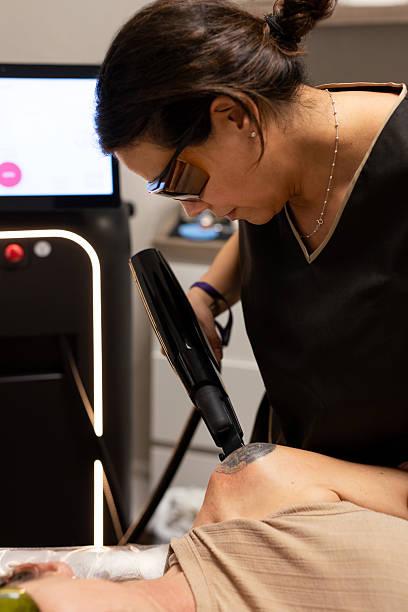
Visible tattoos can become a professional consideration when workplace expectations, career plans, client-facing responsibilities, or personal presentation goals change. Tattoo Removal in Dubai can be planned around the tattoo's location, pigment, visibility, skin response, and the amount of fading or removal needed to achieve a more discreet appearance.
For some people, complete removal is the objective. Others may only need substantial fading so that a tattoo is less noticeable during meetings, interviews, formal events, or professional photography. The appropriate treatment plan depends on the individual tattoo rather than a standard number of sessions.
Why Professional Appearance Can Influence Tattoo Removal
A tattoo that felt appropriate in one stage of life may become less desirable when professional circumstances change.
A person may move into a client-facing role, apply for a new position, attend formal corporate events, or simply prefer a more conservative appearance. Tattoos on the hands, wrists, neck, forearms, or other exposed areas can attract attention even when they are relatively small.
The decision to remove a tattoo is personal. From a treatment perspective, however, the professional objective can help determine whether the patient wants complete removal, substantial fading, or a gradual reduction in visibility.
Visible Tattoos Require Practical Planning
A treatment plan for a visible tattoo should consider more than the pigment itself.
The patient may need to continue working while undergoing multiple sessions. Temporary redness, swelling, tenderness, or crusting can therefore become relevant when scheduling appointments.
This makes treatment timing particularly important for people with regular meetings, presentations, public-facing responsibilities, or frequent business events.
Assessing a Tattoo Before Professional Removal
Before beginning treatment, the tattoo should be evaluated based on its physical characteristics.
Important factors include:
- Tattoo location and visibility
- Ink color and pigment composition
- Line thickness and saturation
- Pigment depth
- Tattoo age
- Previous laser treatment
- Skin tone and current skin condition
- Recent tanning or sun exposure
- Desired degree of removal
A small visible tattoo can sometimes require more careful planning than a larger tattoo hidden beneath clothing because the cosmetic expectations may be higher.
How Treatment Goals Change the Strategy
Not every patient needs the same endpoint.
Someone who wants the tattoo completely removed may require a longer treatment course than someone who only wants it to become less visible.
| Professional Goal | Main Consideration | Planning Approach |
|---|---|---|
| Complete removal | Maximum possible pigment reduction | Progressive treatment and monitoring |
| Major fading | Reduced visibility | Treatment can focus on substantial pigment reduction |
| Workplace discretion | Less noticeable appearance | Consider visibility and recovery timing |
| Formal-event preparation | Temporary cosmetic appearance | Schedule treatment with healing time in mind |
| Future redesign | Reduce existing pigment | Coordinate fading goals with the new design |
The goal should be established before treatment begins because it influences how progress is evaluated.
Tattoo Removal in Dubai for Highly Visible Areas
Some tattoos attract more attention because of their location rather than their size.
The hands, fingers, wrists, forearms, neck, and ankles can remain visible throughout the day. These areas also experience different levels of movement, friction, washing, and sun exposure.
Hand and Finger Tattoos
Finger tattoos can be particularly noticeable because they are difficult to conceal.
Frequent hand washing and exposure to the environment can also make aftercare more challenging. Treatment should therefore account for the location and the patient's daily routine.
Wrist and Forearm Tattoos
Wrist and forearm tattoos may become visible with short sleeves or business clothing.
Sun exposure can also be significant in Dubai, making consistent protection important throughout a treatment program.
Neck Tattoos
Neck tattoos can be difficult to conceal in some professional settings. Clothing may cover part of the area, but the tattoo can remain visible depending on the design and position.
Because the neck is exposed to sunlight and movement, skin assessment and aftercare are important components of treatment planning.
Laser Treatment and Professional Appearance Goals
Laser tattoo removal targets tattoo pigment using controlled pulses of light energy. The pigment is fragmented into smaller particles, which the body can gradually clear.
Different pigments respond differently to laser wavelengths. Black ink may respond differently from red, green, blue, yellow, or mixed-color pigment.
The practitioner therefore needs to assess the tattoo rather than assuming that every visible tattoo can be treated with identical settings.
Why Higher Energy Is Not Automatically Better
The goal is not simply to use the strongest possible laser setting.
Treatment parameters need to balance pigment targeting with skin safety. Excessive treatment intensity can increase the likelihood of unwanted skin reactions, while inadequate treatment may produce limited pigment response.
Progressive assessment allows the treatment approach to be adjusted according to the patient's response.
Scheduling Tattoo Removal Around Work
Professional patients often need to consider recovery when choosing appointment dates.
A treatment session may produce temporary redness, swelling, tenderness, whitening, blistering, or crusting. The intensity of the reaction varies between individuals and treatment areas.
Someone with an important presentation may prefer to avoid treatment immediately before the event.
Allowing Time Before Important Events
It is generally sensible to avoid scheduling a treatment session immediately before:
- Major business presentations
- Corporate photography
- Weddings or formal functions
- Important interviews
- Public speaking engagements
- Extended travel
- Events involving significant sun exposure
The appropriate interval depends on the individual's skin response and the practitioner's aftercare instructions.
Dubai's Climate and Professional Tattoo Removal
Dubai's intense sunlight makes UV protection especially relevant for patients undergoing laser tattoo removal.
Recent tanning may affect treatment planning, while excessive sun exposure following treatment can contribute to unwanted pigmentation changes.
Patients should follow professional recommendations for protecting the treated area from direct sunlight.
Indoor Air Conditioning and Skin Comfort
Dubai's extensive use of air conditioning can leave exposed skin feeling dry.
Although air conditioning does not interfere with the laser mechanism itself, maintaining appropriate skin care during recovery can improve comfort. Patients should follow the post-treatment products and cleansing instructions provided by their practitioner.
Workplace Clothing Can Affect Recovery
Professional clothing can create friction around recently treated areas.
Tight cuffs, collars, watches, bracelets, or other accessories may rub against the treated skin. Depending on the tattoo's location, patients may need to modify clothing choices temporarily.
This is particularly relevant for tattoos around the wrist, neck, ankle, or other areas where clothing and accessories repeatedly contact the skin.
Managing Tattoo Visibility During a Treatment Course
Tattoo removal is progressive, so a visible tattoo may remain noticeable between sessions.
This is important for professionals who expect immediate cosmetic changes.
The tattoo generally becomes lighter over a series of treatments rather than disappearing after one appointment. Photographing the area under similar lighting conditions can help document gradual progress.
Concealment During Recovery
If the treating practitioner permits it, clothing may provide temporary concealment once the skin has sufficiently recovered.
Cosmetic products should not be applied to freshly treated or broken skin unless specifically approved by the treating professional.
Previous Tattoo Removal Can Change the Plan
A patient who has already undergone laser treatment elsewhere should mention it during consultation.
Previous treatment can affect the remaining pigment and the condition of the skin. A tattoo that has already partially faded may require a different strategy from a previously untreated tattoo.
Treatment should not simply repeat earlier settings without considering the current condition of the pigment and skin.
For people evaluating options for [professional tattoo removal in Dubai], the most useful comparison is not only the equipment used but also how the provider assesses skin, pigment, recovery, and treatment progress.
Skin Tone and Professional Cosmetic Outcomes
Skin tone is another factor in laser planning.
Laser energy must be selected carefully to target tattoo pigment while limiting unnecessary interaction with surrounding skin. Patients with darker skin tones may have a greater concern about post-inflammatory pigmentation changes, making appropriate parameters and sun protection particularly important.
A practitioner may determine whether a test spot is appropriate before treating a larger visible area.
What to Expect During a Treatment Course
The treatment process usually involves several stages.
Initial Assessment
The practitioner examines the tattoo, surrounding skin, pigment characteristics, and treatment history.
Treatment Planning
The expected approach is discussed according to the patient's removal objective and skin characteristics.
Laser Session
The selected laser delivers controlled pulses to the tattoo pigment. Protective measures are used according to the treatment protocol.
Recovery
The treated area may experience temporary redness, swelling, tenderness, or other expected reactions.
Progress Assessment
The tattoo is evaluated after sufficient healing time. Subsequent treatment decisions can then be adjusted based on the observed response.
When Professional Goals Favor Fading Instead of Complete Removal
Complete removal is not always necessary to achieve a more professional appearance.
For example, a dark tattoo that becomes substantially lighter may be less noticeable under normal workplace conditions. Similarly, reducing contrast between the tattoo and surrounding skin can sometimes achieve the patient's practical goal.
This is particularly relevant when the tattoo is large, heavily pigmented, or expected to require an extended treatment course.
The decision should be based on the patient's priorities and the practitioner’s assessment rather than an assumption that every tattoo must be completely erased.
Avoid DIY Tattoo Removal for Workplace Concerns
Home tattoo-removal methods can be tempting when a person wants fast cosmetic improvement.
Chemical products, abrasive techniques, unapproved devices, and aggressive skin treatments can cause burns, irritation, pigmentation changes, and scarring without reliably removing deeper tattoo pigment.
A visible tattoo may be frustrating, but damaging the surrounding skin can create a more noticeable professional concern than the original tattoo.
Questions to Ask Before Starting Treatment
A professional consultation should give the patient a realistic understanding of the process.
Useful questions include:
- How visible is the tattoo likely to remain between sessions?
- What level of fading is realistic?
- Which pigments may be more resistant?
- How long might temporary skin reactions last?
- How should appointments be scheduled around work?
- What sun precautions are necessary in Dubai?
- How will progress be documented?
- Does previous tattoo treatment affect the current plan?
- Would partial fading achieve the desired professional appearance?
These questions can help align the clinical plan with the patient's everyday responsibilities.
Recognizing When Treatment Should Be Delayed
Laser treatment may need to be postponed when the tattoo area has significant irritation, an active skin problem, recent excessive sun exposure, or another condition that makes treatment inappropriate at that time.
Patients should provide complete information about the condition of their skin and any previous treatment.
If severe or worsening pain, spreading redness, pus, fever, extensive blistering, or unusual skin changes develop after treatment, medical assessment should be sought.
Realistic Expectations for Professional Tattoo Removal
Professional appearance goals can create pressure for rapid results, but tattoo pigment generally requires time to clear.
Multiple sessions are commonly needed, and the response varies according to pigment, tattoo characteristics, skin type, technology, and individual healing.
Some tattoos may retain faint residual pigment or ghosting even after substantial treatment. A responsible treatment plan should therefore focus on measurable progress rather than guaranteeing complete removal by a specific date.
The Strategic Value of Tattoo Removal in Dubai for Career and Presentation Goals
When tattoo removal is motivated by professional appearance, the best approach combines clinical assessment with practical scheduling. Considering visibility, pigment, skin tone, workplace requirements, recovery time, and the desired degree of fading can make the treatment process more predictable and easier to manage alongside a professional lifestyle.
For patients seeking an individualized approach to visible tattoo reduction, Tajmeels Clinic can assess the tattoo and develop a treatment strategy based on its pigment characteristics, skin condition, and personal appearance goals.

 English
 Arabic
 French
 Spanish
 Portuguese
 Deutsch
 Turkish
 Dutch
Dutch
 Italiano
 Russian
 Romaian
 Greek
Greek