


Glutathione Injection in Dubai for Tone Changes After Acne
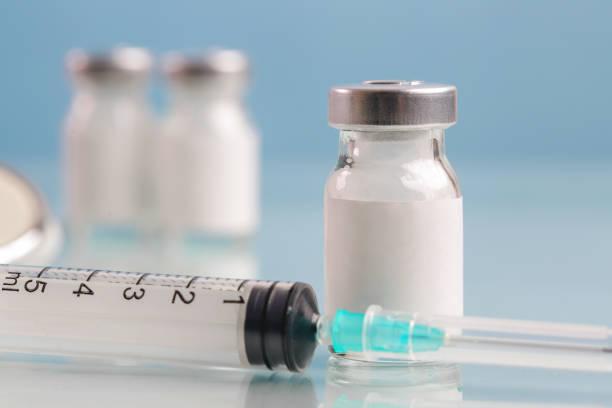
Acne can disappear while leaving behind a complexion that still looks uneven. Glutathione Injection in Dubai may be considered as part of a professionally planned complexion strategy for people concerned about lingering post-acne tone changes, but it is not an acne treatment and should not be presented as a guaranteed way to remove pigmentation. The first step is identifying whether the remaining concern is pigmentation, redness, scarring, or active acne.
Why Acne Can Leave Behind Uneven Tone
Inflammation from acne can stimulate changes in the skin that remain visible after a blemish has healed.
One of the most common concerns is post-inflammatory hyperpigmentation. These marks can appear brown, grayish, or darker than the surrounding skin, with their intensity influenced by the depth of pigmentation and the individual's skin characteristics.
Red or pink marks represent a different type of post-acne change and should not automatically be treated as pigmentation.
Acne scars create another distinction. Depressed or raised scars involve changes in skin structure rather than simply a difference in color.
Understanding this difference is important because an injectable complexion treatment cannot be expected to correct every type of post-acne change.
Glutathione Injection in Dubai and Post-Acne Complexion Care
Glutathione is a naturally occurring antioxidant composed of glutamic acid, cysteine, and glycine. It participates in antioxidant and cellular redox processes.
Injectable glutathione is marketed in aesthetic medicine for complexion-related purposes. However, evidence supporting cosmetic skin-lightening effects remains limited and variable.
For post-acne concerns, its potential role should therefore be considered supplementary rather than definitive.
The objective should be gradual complexion improvement where appropriate, not guaranteed pigment removal or permanent alteration of natural skin color.
Post-Acne Concerns Need Different Strategies
| Post-acne concern | Main consideration |
|---|---|
| Brown or dark marks | Pigmentation-focused assessment |
| Red or pink marks | May require a different clinical approach |
| Depressed scars | Texture and scar remodeling |
| Raised scars | Scar-specific evaluation |
| Active acne | Acne management first |
| General dullness | Overall complexion and lifestyle assessment |
This approach helps prevent a broad treatment from being used for a problem that requires a more targeted solution.
Active Acne Should Be Distinguished From Old Marks
If acne is still appearing, the skin may continue developing new discoloration.
Treating only the existing marks while ignoring active inflammation can therefore produce an incomplete strategy.
A clinician may first determine whether acne is currently active and whether the patient is using appropriate acne-management products or medications.
Once new inflammatory lesions are controlled, the remaining tone changes can be assessed more accurately.
This sequence can also make it easier to evaluate whether complexion-focused treatment is producing a meaningful difference.
Assessing the Pattern of Post-Acne Pigmentation
Not every dark mark has the same cause.
A clinician may examine the location, color, duration, and pattern of discoloration. Recent sun exposure, previous acne severity, skin type, picking or squeezing, and existing skincare habits may also be relevant.
The assessment may consider:
- How long the marks have been present
- Whether new marks are still developing
- The depth and appearance of pigmentation
- Current acne activity
- Previous pigmentation treatments
- Recent sun exposure
- Recent chemical peels or laser procedures
- Skin sensitivity and barrier condition
This prevents the treatment plan from being based solely on the patient's description of “dark spots.”
The Role of Sun Protection After Acne
UV exposure can make pigmentation more noticeable and may prolong the appearance of some post-inflammatory marks.
This is particularly relevant in Dubai, where strong sunlight can be part of everyday life rather than an occasional holiday exposure.
Outdoor commuting, beach visits, sports, and recreational activities can all contribute to cumulative exposure.
Sun protection should therefore remain a central part of post-acne care.
A suitable broad-spectrum sunscreen, protective clothing, shade, and sensible outdoor habits can help reduce avoidable exposure. Glutathione should never be presented as a substitute for these measures.
Building a Broader Post-Acne Skin Plan
An injectable procedure works best when it is considered alongside the patient's overall skin routine.
Depending on the assessment, a plan may include acne control, pigment-focused skincare, professional procedures, sun protection, and barrier support.
Patients exploring post-acne complexion treatment in Dubai can discuss how injectable glutathione may or may not fit alongside other treatments.
Combining several procedures without considering timing can increase irritation and make it difficult to identify which treatment is responsible for improvement or adverse reactions.
A staged approach is often easier to monitor.
When Glutathione May Be Considered
A clinician may discuss glutathione when the patient is seeking an overall complexion-focused approach and has no obvious reason to postpone injectable treatment.
Important factors can include:
- Whether the skin is currently stable.
- Whether active acne is under control.
- Whether the remaining concern is primarily pigmentary.
- Whether recent procedures have fully healed.
- Whether there are relevant medical considerations.
- Whether the patient's expectations are realistic.
The decision should be individualized rather than based on a fixed number of sessions or a predetermined dose.
Injection Route and Personalized Administration
Glutathione may be administered through different medical routes depending on the formulation and clinical protocol.
An injection should not automatically be considered equivalent to an IV infusion.
The appropriate route, formulation, dose, frequency, and administration technique should be selected by a qualified medical professional.
More frequent treatment or a higher dose should not automatically be assumed to produce faster or better cosmetic results.
Medical supervision also provides an opportunity to review previous reactions, medications, allergies, and other relevant factors.
Skin Care After Acne and Before Injectable Treatment
Post-acne skin can remain sensitive even after visible breakouts have settled.
Over-exfoliation, frequent scrubbing, picking, or combining too many active products can disrupt the skin barrier and potentially worsen irritation.
A simpler routine may be more appropriate while the skin stabilizes.
Useful principles can include:
- Gentle cleansing
- Consistent moisturization
- Daily broad-spectrum sunscreen
- Avoiding unnecessary picking
- Avoiding excessive exfoliation
- Using targeted acne or pigmentation products according to professional advice
The aim is to create a stable foundation rather than continually adding new treatments.
When Another Treatment May Be More Appropriate
There are situations where glutathione may not address the primary problem.
For significant depressed acne scars, treatment needs to focus on skin texture and structural remodeling.
For active acne, controlling inflammation is more important.
For persistent or unusual pigmentation, a dermatological assessment may be necessary to determine the exact cause before selecting treatment.
Melasma-like pigmentation can also require a dedicated long-term management strategy rather than a general complexion injection.
Recognizing these differences can prevent unrealistic expectations and unnecessary procedures.
Safety Considerations
Injectable glutathione should be administered under appropriate medical supervision.
Temporary injection-site discomfort, tenderness, or irritation may occur. Significant or unexpected symptoms should receive prompt medical attention.
Patients should disclose:
- Known allergies
- Previous reactions to injections
- Current medications
- Current acne treatments
- Recent cosmetic procedures
- Recent sun exposure
- Existing pigmentation treatments
Product quality also matters.
Unverified injectable products obtained online may create risks involving sterility, authenticity, concentration, storage, and administration. Self-injection should not replace professional evaluation.
Setting Realistic Post-Acne Goals
Post-acne pigmentation usually changes gradually rather than disappearing immediately.
Glutathione should not be presented as a guaranteed pigment eraser or as a method for permanently changing natural skin color.
A realistic objective may be a more even-looking complexion as part of a broader treatment plan.
Progress can be monitored through consistent photographs and clinical review rather than relying on day-to-day visual comparisons, which can be affected by lighting, tanning, and hydration.
The Strategic Investment
Post-acne complexion care works best when the remaining skin change is correctly identified before treatment begins. Glutathione may be considered as an adjunct for selected patients, but active acne, significant scarring, persistent pigmentation, and skin irritation may require different or additional approaches. For individuals considering Glutathione Injection in Dubai, Tajmeels Clinic can assess the skin condition and help determine whether injectable glutathione fits a personalized post-acne complexion strategy.

 English
 Arabic
 French
 Spanish
 Portuguese
 Deutsch
 Turkish
 Italiano
 Russian
 Romaian
 Portuguese (Brazil)
 Greek
Greek