


How to Remove Pet Hair and Odors From Upholstery
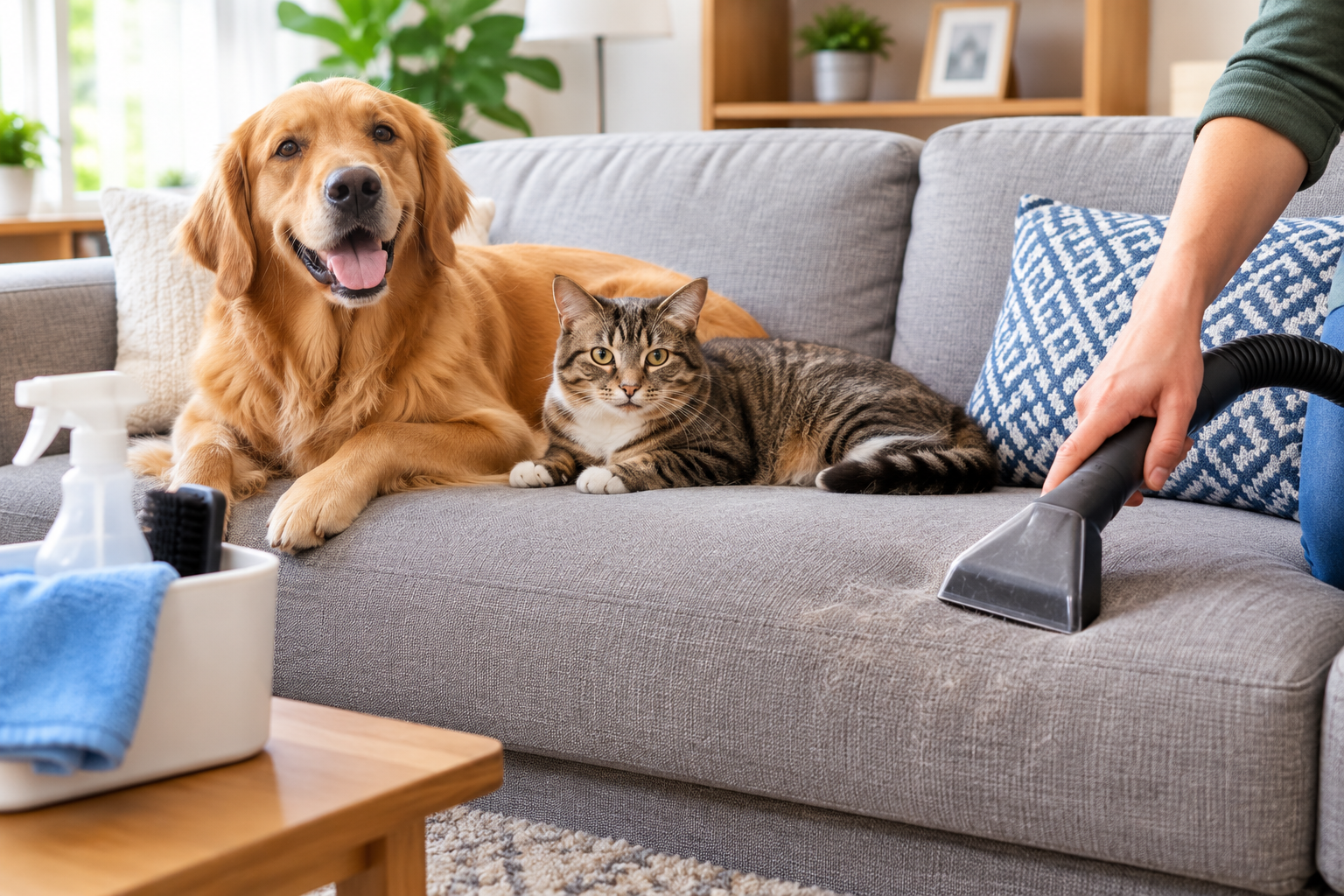
Pets bring plenty of comfort and companionship into a home, but they can also leave behind something less pleasant: hair, dander, and lingering odors on your furniture. Upholstered sofas, chairs, and cushions can quickly collect pet hair, especially when your dog or cat has a favorite place to sleep. Over time, odors can also settle deep into the fabric and padding, making a simple surface cleaning less effective. The good news is that with the right approach, you can keep your upholstery cleaner, fresher, and more comfortable for everyone in the home.
If pet hair and smells have become a regular problem, a professional Upholstery Cleaning Service San Diego can provide a deeper clean than everyday maintenance. However, there are several simple things you can do yourself between professional cleanings. The key is to remove loose hair first, treat odors at their source, and always use cleaning methods that are appropriate for your upholstery fabric.
Why Pet Hair and Odors Get Trapped in Upholstery
Pet hair may look easy to remove because much of it sits on the surface. However, small strands can work their way between fabric fibers, into seams, and underneath cushions. Static electricity can make the hair cling even more tightly to upholstery.
Odors are a different challenge. Pets can leave behind natural oils, sweat, saliva, dander, and other particles that contribute to unpleasant smells. If accidents occur, urine or other organic material can soak beyond the fabric and into the cushion padding. When that happens, simply spraying an air freshener over the furniture only masks the smell temporarily.
Understanding this difference is important. Hair requires physical removal, while odors often require cleaning the material responsible for the smell.
Start by Removing Loose Pet Hair
Before applying any cleaner or deodorizer, remove as much loose hair as possible. Adding moisture too soon can cause hair to become harder to pick up.
Vacuum Thoroughly
A vacuum cleaner with an upholstery attachment is one of the easiest tools for regular pet-hair removal. Move slowly across the surface rather than quickly running the vacuum over the fabric.
Pay special attention to:
- Cushion seams
- Corners and crevices
- Under removable cushions
- The back and sides of the sofa
- Areas where your pet sleeps most often
For stubborn hair, use the vacuum after loosening the fibers with another tool.
Use a Rubber Glove
A slightly damp rubber cleaning glove can be surprisingly effective. Put on the glove, lightly dampen it, and run your hand across the upholstery in one direction. Pet hair should gather into small clumps that you can pick up.
Avoid soaking the fabric. The goal is only to create enough moisture and friction to collect loose hair.
Try a Rubber Squeegee
A clean rubber squeegee can work well on tightly woven upholstery. Gently drag it across the fabric to gather embedded hair. Use light pressure and test a small hidden area first to make sure the tool does not damage or pull the fibers.
Clean the Upholstery According to Its Fabric
Not every sofa should be cleaned the same way. Before using water, soap, vinegar, baking soda, or another cleaning solution, check the manufacturer's care label.
Common upholstery cleaning codes include:
- W: Water-based cleaning products may be suitable.
- S: Solvent-based cleaning products are generally recommended.
- WS: Both water- and solvent-based methods may be acceptable.
- X: Professional cleaning or vacuuming may be the safest option.
If the label is missing or unclear, avoid experimenting with aggressive products. A cleaning method that works perfectly on one sofa could leave another with stains, discoloration, or water damage.
How to Remove Pet Odors Naturally
Once the hair has been removed, you can focus on odors.
Baking Soda for Mild Odors
Baking soda can help absorb mild odors from upholstery. Sprinkle a light, even layer over the dry fabric and allow it to sit for several hours. For stronger results, leaving it overnight can give it more time to absorb odors.
Afterward, vacuum the upholstery thoroughly.
Do not use excessive amounts, particularly on delicate fabrics or cushions where powder could become trapped. Always check the manufacturer's care instructions first.
Use an Appropriate Upholstery Cleaner
For washable upholstery, choose a product specifically designed for the fabric rather than using a general household cleaner. Apply only the recommended amount and avoid saturating the cushions.
Too much moisture can create several problems, including:
- Slow drying
- Water marks
- Fabric discoloration
- Musty smells
- Moisture trapped inside cushion padding
A little product used correctly is usually better than a large amount used aggressively.
Dealing With Pet Urine and Other Accidents
Pet accidents require more attention because the odor may come from beneath the visible surface.
First, blot fresh moisture with clean absorbent towels. Do not rub aggressively, as this can push the liquid farther into the upholstery.
Once excess moisture has been removed, use a suitable enzyme-based upholstery cleaner if the fabric's care instructions allow it. Enzyme cleaners are designed to break down organic residues that contribute to odors.
Follow the product directions carefully and allow the area to dry completely.
If urine has reached deep into the cushion, DIY cleaning may not fully resolve the problem. In such cases, professional upholstery cleaning may be necessary to reach material that household cleaning cannot effectively treat.
Don't Forget the Cushions and Hidden Areas
One common mistake is cleaning only the visible surface of a sofa. Pet hair and odors can accumulate underneath cushions, along the frame, and in areas that receive less attention.
Remove cushions if possible and vacuum:
- Beneath the cushions
- Cushion edges
- Sofa creases
- Around the armrests
- Between the back cushions
- Underneath the furniture
If the cushions have removable covers, check whether they are machine washable before putting them in the washing machine. Follow the manufacturer's washing and drying instructions to prevent shrinkage or damage.
What to Avoid When Cleaning Pet-Soiled Upholstery
Some cleaning habits can make the problem worse.
Don't Overwet the Fabric
Soaking upholstery can cause water to penetrate into foam or padding. If the inside does not dry properly, it may develop a musty smell or other moisture-related problems.
Don't Scrub Aggressively
Hard scrubbing can damage delicate fibers, spread stains, and push contaminants deeper into the fabric. Gentle blotting and controlled cleaning are generally safer.
Don't Mix Cleaning Chemicals
Combining household cleaning products can create unwanted chemical reactions and potentially damage your furniture. Stick with one appropriate product at a time and follow its instructions.
Don't Rely on Air Fresheners Alone
Air fresheners may temporarily cover unpleasant smells, but they do not remove the material causing the odor. If the source remains in the upholstery, the smell will eventually return.
How to Keep Pet Hair and Odors Under Control
Regular maintenance is much easier than trying to restore heavily soiled upholstery.
Vacuum your furniture regularly, particularly your pet's favorite spots. A washable blanket or pet cover placed over those areas can also reduce the amount of hair and dander that reaches the upholstery.
Grooming your pet regularly can make a noticeable difference as well. Brushing removes loose hair before it ends up on your furniture.
You should also clean pet bedding frequently. If a pet's bed is dirty or has a strong odor, your freshly cleaned sofa may quickly pick up those smells again.
Keeping your home well ventilated can help reduce lingering odors, while promptly addressing accidents prevents stains and smells from becoming more difficult to remove.
When Should You Hire a Professional?
DIY cleaning is useful for routine maintenance, but professional cleaning can be a better choice when upholstery has significant buildup or persistent odors.
Consider professional cleaning if:
- Pet odors return shortly after cleaning.
- Hair is deeply embedded in the fabric.
- Your pet has had repeated accidents on the furniture.
- Large areas are stained.
- The upholstery is delicate or difficult to clean.
- You are unsure which cleaning method is safe.
- The cushions have absorbed moisture or odors.
Professional cleaners have specialized equipment and methods designed to remove soil and contaminants more thoroughly while taking the upholstery material into account.
A Cleaner Sofa Means a Fresher Home
Pet hair and odors are part of life for many pet owners, but they do not have to become permanent features of your furniture. Start by removing loose hair with a vacuum, rubber glove, or suitable tool. Then address odors according to the upholstery manufacturer's care instructions. For accidents, act quickly and use an appropriate cleaner rather than simply covering the smell with fragrance.
Regular vacuuming, pet grooming, washable furniture covers, and prompt attention to accidents can make routine upkeep much easier. When odors or embedded hair persist despite your efforts, professional cleaning can help restore the freshness of your upholstery. With consistent care and the right cleaning techniques, you can enjoy a cleaner, more comfortable sofa while still giving your pets plenty of room to relax. For deeper upholstery care and professional assistance, Coastal Carpet Care can be a useful option when everyday cleaning is no longer enough.

 English
 Arabic
 French
 Spanish
 Portuguese
 Turkish
 Dutch
Dutch
 Italiano
 Russian
 Romaian
 Portuguese (Brazil)
 Greek
Greek