


What Makes Real Estate Development Websites Effective for Property Developers?
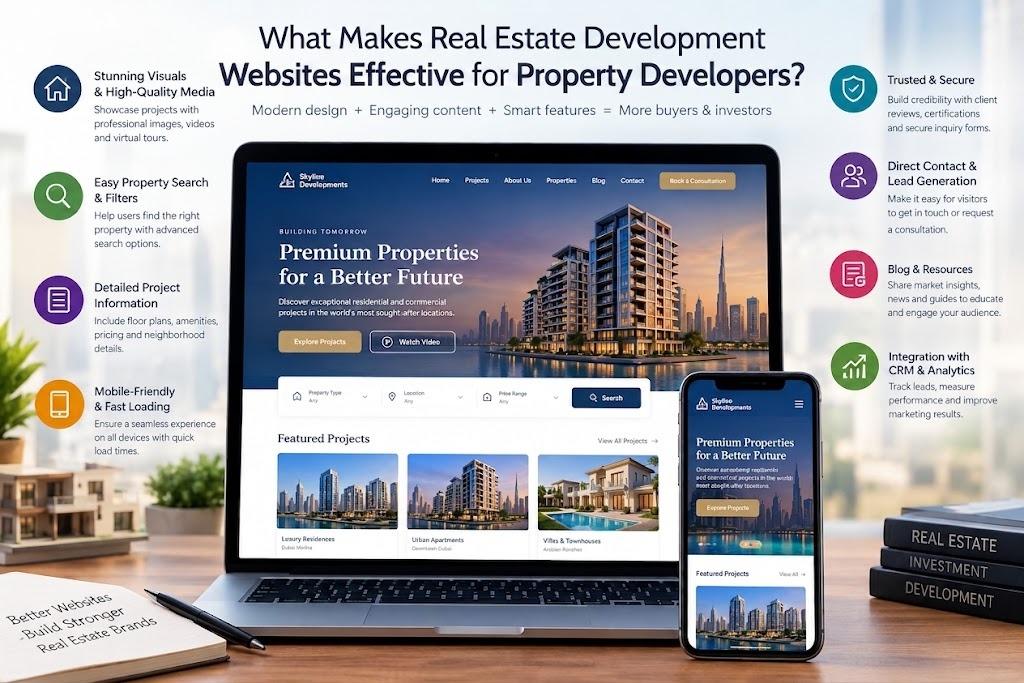
In today's digital-first marketplace, a robust online presence has become indispensable for real estate developers. While beautiful properties sell themselves, it's an effective website that connects developers with investors, buyers, and stakeholders. An exceptional real estate development website goes beyond aesthetics—it serves as a powerful marketing tool, information hub, and conversion engine. Understanding what elements make these websites truly effective can help developers maximize their market reach and accelerate their business growth.
1. Strategic User Experience and Navigation
Intuitive Site Structure
An effective real estate development website prioritizes user experience above all else. Visitors should be able to navigate the site effortlessly, finding information without confusion or frustration. The best development websites feature clear, logical navigation menus that guide visitors through sections such as current projects, completed developments, investment opportunities, and company information. A streamlined structure reduces bounce rates and keeps potential clients engaged longer.
Mobile-First Design
With over 60% of web traffic now coming from mobile devices, a mobile-first approach is non-negotiable. Responsive design ensures that websites function flawlessly across all devices—smartphones, tablets, and desktops. Property images should load quickly, text should be readable without zooming, and buttons should be touch-friendly. Real estate developers who neglect mobile optimization are essentially turning away half their potential audience.
Fast Loading Times
Website speed directly impacts user engagement and search engine rankings. Pages should load in under three seconds, as slower sites experience significantly higher bounce rates. Optimizing images, leveraging content delivery networks (CDNs), and minimizing code are essential strategies for maintaining fast performance.
2. High-Quality Visual Content
Professional Photography and Videography
In real estate, visual content is king. Professional, high-resolution photographs showcase properties in their best light, while drone footage and 3D walkthroughs provide immersive experiences that static images cannot match. Video content—whether showcasing finished properties, construction progress, or neighborhood features—increases engagement and time spent on site.
Virtual Tours and Interactive Elements
Virtual reality (VR) tours and 360-degree property walkthroughs have revolutionized how buyers explore developments. These interactive tools reduce the need for in-person visits, making the buying process more convenient and accessible to international investors and remote clients. Interactive floor plans, neighborhood maps, and amenity showcases enhance the user experience significantly.
Before-and-After Galleries
For developments that involve renovations or transformations, before-and-after galleries powerfully demonstrate the developer's capability and attention to detail. These visual narratives build credibility and showcase the tangible value the developer brings to properties and communities.
3. Compelling Content Strategy
Detailed Project Descriptions
Each project listing should include comprehensive information: location details, square footage, unit specifications, pricing, amenities, timeline, and unique selling points. Clear, persuasive copy that explains the vision behind each development helps visitors understand what makes the project special and why it's worth their investment.
Market Insights and Blog Content
Establishing thought leadership through regular blog posts about market trends, investment opportunities, and industry news positions developers as knowledgeable experts. This content improves SEO rankings while providing genuine value to visitors, building trust and credibility over time.
Client Testimonials and Case Studies
Real success stories from satisfied investors and buyers are powerful social proof. Case studies documenting completed projects—including investment returns, tenant occupancy rates, and renovation outcomes—provide concrete evidence of the developer's track record and expertise.
4. Lead Generation and Conversion Tools
Clear Call-to-Action Buttons
Every page should include prominent, strategically placed call-to-action (CTA) buttons encouraging visitors to schedule consultations, request information, or express interest in projects. These CTAs should use compelling language like "Schedule Your Private Showing" or "Invest in Your Future Today."
Lead Capture Forms
Effective forms balance information gathering with user experience. While collecting leads is important, overly long forms discourage submissions. Strategically placed forms—on project pages, in pop-ups, and at the end of content—capture contact information without being intrusive.
Email Newsletter Signup
Building an email list allows developers to maintain ongoing communication with prospects. Newsletter signups should offer value—exclusive project previews, market reports, or investment guides—to encourage subscriptions.
5. Credibility and Trust Building
Company Background and Team Information
Transparency about the development company's history, leadership, and accomplishments builds confidence. Biographies of key team members, company milestones, and relevant certifications demonstrate experience and legitimacy. Developers with established track records should prominently feature this information.
Transparent Pricing and Terms
Clarity around pricing structures, payment terms, and investment requirements eliminates ambiguity and builds trust. Detailed financial information, including projected returns and holding periods, helps serious investors make informed decisions.
Security and Data Protection
Clearly communicating that the website protects user data and complies with privacy regulations (GDPR, CCPA) assures visitors that their information is safe. Trust badges, SSL certificates, and privacy policy links reinforce security measures.
6. Search Engine Optimization (SEO)
Keyword Optimization
Incorporating relevant keywords naturally throughout website content improves search engine visibility. Terms like "luxury apartment development," "real estate investment opportunities," and "[City Name] property development" help developers rank higher in search results.
Technical SEO
Behind-the-scenes optimization—including proper heading hierarchy, meta descriptions, structured data markup, and XML sitemaps—ensures search engines can effectively crawl and index the website.
Local SEO
For developers focused on specific geographic markets, local SEO is crucial. Optimizing for location-based keywords, maintaining accurate business information, and leveraging Google Business Profile listings help developers appear in local search results.
7. Integration with Marketing and CRM Systems
Email Marketing Integration
Connecting the website to email marketing platforms enables automated follow-up sequences, nurturing leads until they're ready to invest or purchase.
Customer Relationship Management (CRM)
Integrating CRM systems allows developers to track visitor interactions, manage leads efficiently, and personalize communication based on user behavior and interests.
Analytics and Tracking
Google Analytics and other tracking tools provide insights into visitor behavior, popular pages, conversion rates, and traffic sources. These metrics guide ongoing optimization efforts.
8. Social Proof and Credibility Signals
Client Testimonials and Reviews
Displaying authentic reviews from previous investors and buyers builds confidence in potential clients. Platforms like Google Reviews, Trustpilot, or developer-specific sites provide third-party validation of quality and professionalism.
Award Recognition
Highlighting industry awards, certifications, and recognition from reputable organizations reinforces the developer's commitment to quality and excellence.
Media Coverage
Featuring press releases, news articles, and media mentions adds authority and validates the developer's reputation and impact.
9. Accessibility and Legal Compliance
ADA Compliance
Ensuring the website is accessible to people with disabilities—through proper contrast ratios, alt text for images, and keyboard navigation—expands the audience and demonstrates corporate responsibility.
Terms and Legal Documentation
Clear terms of service, privacy policies, and disclaimers protect both the developer and users while ensuring regulatory compliance.
Conclusion
An effective real estate development website is far more than a digital brochure—it's a strategic business asset that drives growth and success. By combining intuitive design, compelling content, visual excellence, and trust-building elements, developers create platforms that attract qualified leads, facilitate informed decision-making, and ultimately convert visitors into investors and buyers. In the competitive real estate market, investing in website excellence is investing in the future of the business itself. Developers who master these elements gain a significant competitive advantage and position themselves for sustained success in an increasingly digital world.

 English
 Arabic
 French
 Spanish
 Portuguese
 Deutsch
 Turkish
 Italiano
 Russian
 Romaian
 Portuguese (Brazil)
 Greek
Greek