


Lower Back Pain Relief Made Easy With Physical Therapy
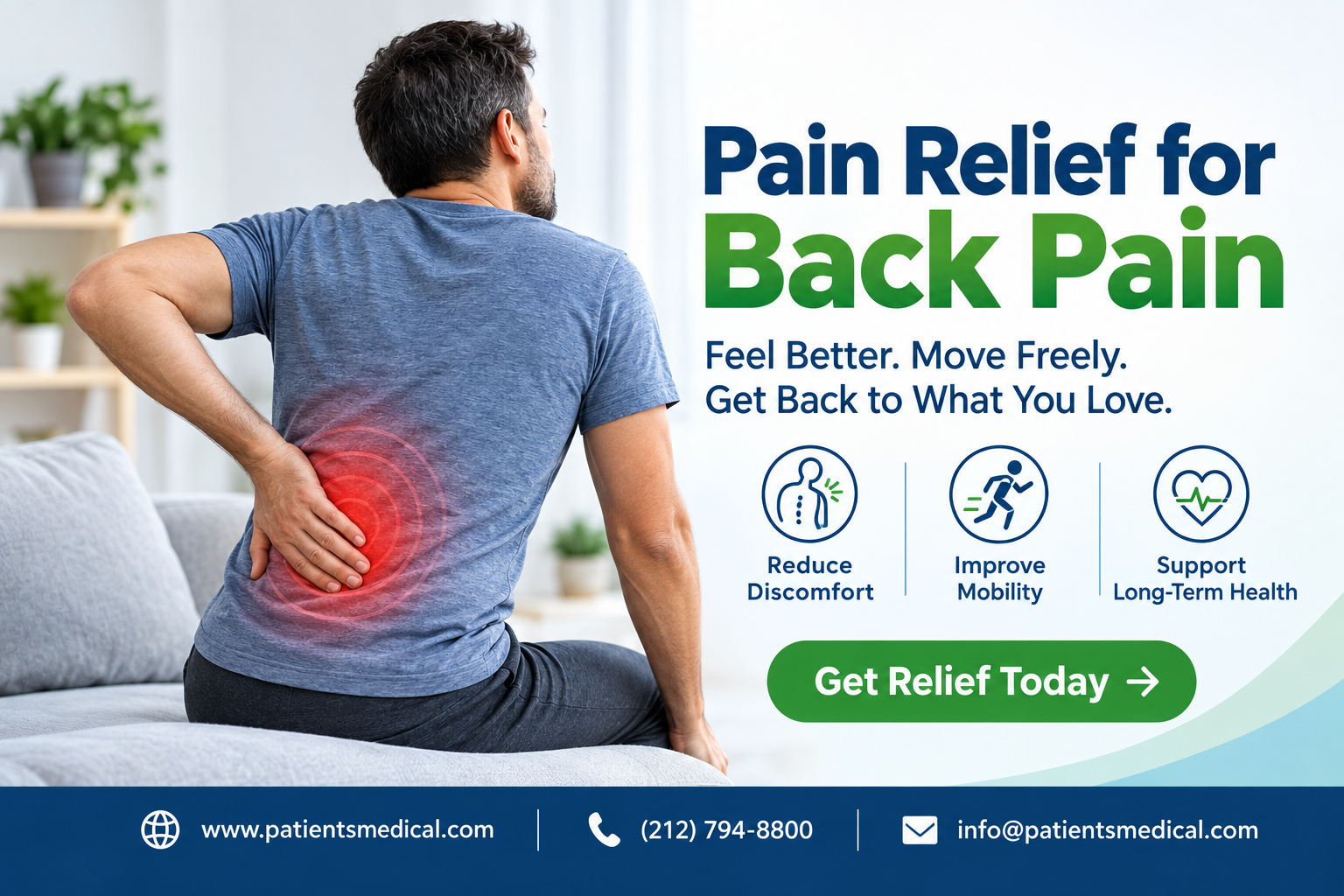
Lower back pain is one of the most common reasons people miss work, skip workouts, or simply struggle to get through a normal day. Whether it's caused by poor posture, a sports injury, years of sitting at a desk, or a chronic condition, the discomfort can range from a dull ache to sharp, debilitating pain. While painkillers and rest might offer temporary comfort, physical therapy has become one of the most trusted, non-invasive approaches for long-term lower back pain relief.
Why Physical Therapy Works for Back Pain
Physical therapy isn't just about stretching or icing a sore muscle. It's a structured, evidence-based approach designed to identify the root cause of your pain and correct it — not just mask the symptoms. A licensed physical therapist evaluates your posture, movement patterns, muscle strength, and flexibility to build a personalized treatment plan.
Unlike medication, which only provides temporary pain relief for back pain, physical therapy works on rebuilding strength and mobility so the pain doesn't keep coming back. This is especially important for people dealing with recurring or chronic lower back issues, where the underlying muscular imbalance needs to be addressed directly.
Common Techniques Used in Physical Therapy
Physical therapists use a combination of methods tailored to the severity and cause of your pain. Some of the most effective techniques for relief lower back pain include:
- Manual therapy – Hands-on techniques like soft tissue mobilization and joint manipulation to reduce stiffness and improve range of motion.
- Therapeutic exercises – Targeted strengthening exercises for the core, glutes, and lower back muscles that support the spine.
- Stretching routines – Improve flexibility in tight hip flexors, hamstrings, and lower back muscles that often contribute to pain.
- Posture correction – Especially helpful for people who sit for long hours, as poor posture is a major contributor to chronic back pain.
- Heat and cold therapy – Used to reduce inflammation and relax muscles before or after exercise sessions.
- Electrical stimulation (TENS) – Helps in reducing pain signals and promoting muscle relaxation.
These methods, when combined consistently over several weeks, often provide better and more lasting results than relying solely on medication.
Benefits of Choosing Physical Therapy Over Painkillers
Many people turn to over-the-counter or prescription medication for best pain relief for back pain, but this approach only addresses the symptom, not the cause. Physical therapy offers several advantages:
- No dependency risk – Unlike opioids or muscle relaxants, physical therapy carries no risk of addiction.
- Long-term results – By strengthening the muscles that support your spine, you reduce the chances of the pain returning.
- Improved mobility – Regular sessions help restore your natural range of motion, making everyday activities easier.
- Customized care – Every treatment plan is built around your specific pain pattern, lifestyle, and goals.
- Fewer side effects – Since it's a non-invasive treatment, there's minimal risk compared to surgery or long-term medication use.
Knowing When Professional Help Is Necessary
Mild lower back pain often eases on its own with rest, gentle stretching, and a few lifestyle adjustments. But when the pain sticks around for weeks, keeps coming back, or starts spreading down your leg with numbness or weakness, that's a sign it's time to stop self-treating and get an expert opinion.
This is where teaming up with one of the best pain management doctors NYC offers really pays off. These specialists frequently collaborate with physical therapists to design a treatment plan that tackles both your immediate pain and the deeper structural issue behind it. When a pain management doctor and a physical therapist work together, patients typically see faster, longer-lasting results than they would from either treatment on its own.
Simple At-Home Tips to Support Your Recovery
Alongside professional physical therapy sessions, a few daily habits can support your lower back pain relief journey:
- Avoid sitting for long periods without breaks — stand up and move every 30–45 minutes.
- Maintain a neutral spine posture while sitting or standing.
- Sleep on a supportive mattress and avoid sleeping on your stomach.
- Incorporate gentle core-strengthening exercises like planks or bridges into your routine.
- Stay hydrated, as spinal discs need adequate hydration to function properly.
- Avoid heavy lifting or twisting motions that strain the lower back.
These small adjustments, combined with a structured physical therapy program, can significantly speed up recovery and reduce the risk of future flare-ups.
Take the First Step Toward a Pain-Free Back
Living with lower back pain isn't something you have to accept as normal. With the right combination of physical therapy and expert medical guidance, real, lasting relief is possible. Patients Medical specializes in getting to the root cause of your pain and building a treatment plan around your specific needs, so you can get back to moving, working, and living without discomfort holding you back. Visit https://www.patientsmedical.com to learn more and schedule your consultation today.

 English
 French
 Spanish
 Portuguese
 Deutsch
 Turkish
 Dutch
Dutch
 Italiano
 Russian
 Romaian
 Portuguese (Brazil)
 Greek
Greek