


How Retail & E-Commerce Brands Use Game Mechanics to Boost Customer Loyalty
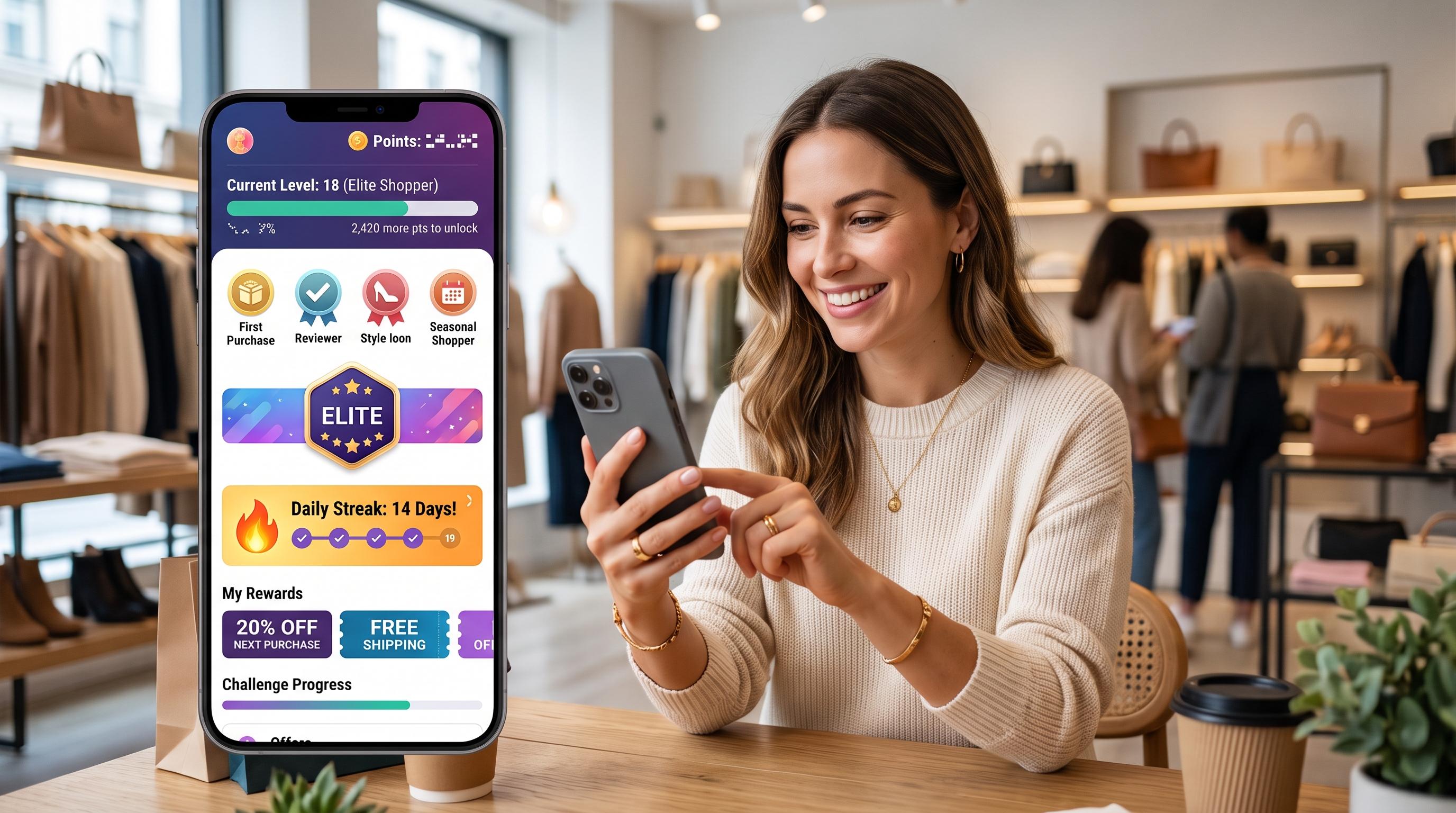
Retail and e-commerce brands face a constant battle for attention. Customers have endless options, short attention spans, and little patience for generic rewards programs. The brands that win long-term loyalty are the ones that turn shopping into something more engaging something that feels closer to playing a game than completing a transaction.
Game mechanics such as points, levels, challenges, streaks, and social competition have quietly become one of the most effective tools for keeping customers coming back. When done well, these systems increase purchase frequency, raise average order value, and create emotional attachment that pure discounts rarely achieve.
Why Traditional Loyalty Programs Often Fall Short
Most traditional loyalty schemes still rely on simple points-for-purchase models. Customers collect points, wait for a reward, and often forget the program exists between visits. Engagement drops quickly because there is little sense of progress, achievement, or fun.
Game mechanics solve this by adding structure, feedback, and motivation. Progress bars, unlockable rewards, limited-time challenges, and status levels give customers clear goals and immediate feedback. The shopping experience starts to feel rewarding in the moment rather than only at the end of a long accumulation period.
How Blockchain Game Development Services Fit Into Modern Loyalty Programs
Forward-thinking brands are now exploring digital ownership and verifiable rewards. This is where blockchain game development services come into play. By combining game mechanics with blockchain technology, retailers can create loyalty experiences that feel more permanent and valuable think collectible digital badges, tradable reward tokens, or exclusive membership NFTs that unlock real-world benefits.
These systems give customers a sense of ownership that traditional points cannot match. A digital badge earned through consistent shopping or a limited-edition virtual item tied to a purchase becomes something the customer can display, trade, or simply keep as proof of their status with the brand.
Practical Game Mechanics Retail Brands Can Use
Points and Progression Systems
Customers earn points for purchases, reviews, social shares, and referrals. The key difference from old programs is visible progress. A clear level system (Bronze → Silver → Gold → Platinum) with meaningful perks at each stage keeps people motivated to reach the next tier.
Challenges and Missions
Time-limited challenges such as “Buy three items from the new collection this week” or “Complete five purchases this month” create urgency and focus. Completing them unlocks bonus rewards or exclusive access, turning routine shopping into a series of achievable goals.
Streaks and Daily or Weekly Habits
Simple streak mechanics encourage regular engagement. A customer who shops or interacts with the brand several days in a row receives escalating rewards. This is especially effective for apps and frequent-purchase categories such as beauty, fashion, and grocery.
Social and Competitive Elements
Leaderboards, referral competitions, and team challenges turn loyalty into a social activity. Customers invite friends not just for a discount, but to climb rankings or unlock group rewards. The social pressure and recognition keep people invested longer than individual incentives alone.
Surprise and Delight Rewards
Randomized or unexpected rewards (mystery boxes, surprise free gifts, or exclusive digital items) trigger the same psychological response that keeps people playing games. When used sparingly, these moments create memorable positive associations with the brand.
Real World Results of Gamified Loyalty Programs
Retailers that implement thoughtful game mechanics consistently report higher repeat purchase rates and stronger customer lifetime value. Fashion and beauty brands see increased engagement during new collection drops when challenges and limited badges are attached. Grocery and everyday-essentials retailers use streaks and weekly missions to shift customers from occasional to habitual shoppers. E-commerce platforms that add status levels and exclusive unlocks often find customers are willing to spend more to maintain or improve their rank.
The most successful programs avoid feeling forced. The game layer should enhance the shopping experience rather than distract from it. Mechanics must feel fair, transparent, and genuinely rewarding.
Key Principles for Implementing Gamification Effectively
Start with clear goals. Decide whether the primary aim is more frequent purchases, higher basket size, social sharing, or long-term retention. Design the mechanics around that goal.
Keep the rules simple and the feedback immediate. Customers should understand how to progress and see results quickly.
Balance free and paid progression so that dedicated customers feel rewarded without making the system feel pay-to-win.
Measure what matters repeat purchase rate, session frequency, referral volume, and redemption behavior rather than vanity metrics like total points issued.
Finally, treat the loyalty system as a living product. Test new challenges, rotate rewards, and listen to customer feedback so the experience stays fresh.
The Future of Gamified Retail and E-Commerce Loyalty
Game mechanics have moved from experimental novelty to core loyalty strategy for many retail and e-commerce brands. When combined with thoughtful design and, where appropriate, emerging technologies that give customers real ownership of their rewards, these systems create lasting engagement that traditional points programs struggle to match.
The brands that treat loyalty as an experience rather than a transaction are the ones building the strongest customer relationships today.

 English
 Arabic
 French
 Spanish
 Portuguese
 Deutsch
 Turkish
 Italiano
 Russian
 Romaian
 Portuguese (Brazil)
 Greek
Greek