


Sustainable Custom PR Boxes for Eco-Conscious Brands
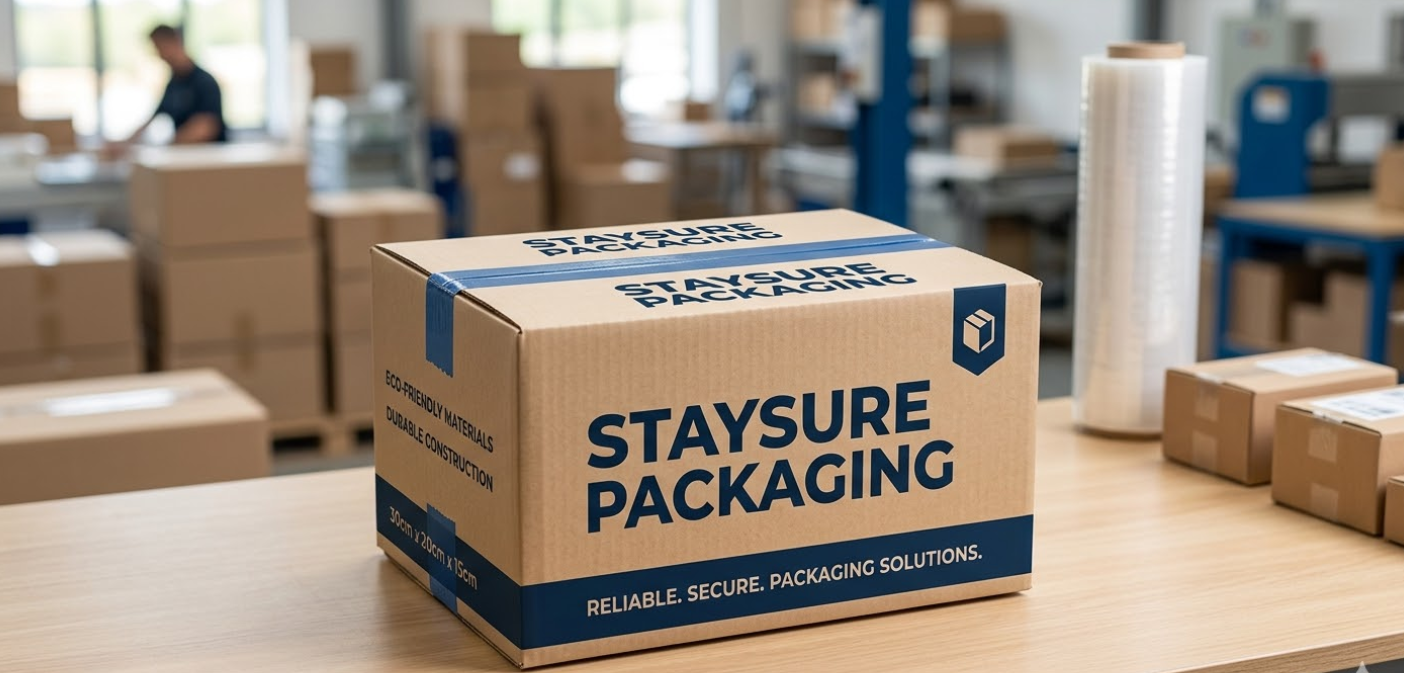
Eco-conscious brands are rethinking packaging from the ground up. They want materials that respect the planet, and designs that tell a sincere sustainability story. The right PR box can convey care, transparency, and responsibility while still feeling premium.
Choosing packaging that aligns with values can influence perception, influence gifting experiences, and boost long-term loyalty. It also shows up in practical ways, like reducing waste and supporting responsible supply chains.
Understanding Sustainable Packaging
Key principles center on reuse, recyclability, compostability, and a minimalist approach. Simple forms often perform better when the goal is lower waste and clear disposal directions. Brands can start with sturdy, recyclable corrugated cardboard or recycled paper as the main structure.
Material options include corrugated cardboard, recycled paper, plant-based inks, and biodegradable plastics. Each choice can affect cost, strength, and end-of-life handling. Look for certifications that verify claims, such as FSC or SFI for wood-based fibers, and compostability standards from recognized programs.
Designing for Brand Alignment
Define core brand values and let packaging narrate the story. A box that nods to nature through textures and minimal graphics often feels authentic. Color palettes rooted in earth tones and muted hues can communicate stewardship without shouting.
Typography should stay legible and friendly. Imagery ought to reflect sustainability in everyday life rather than abstract campaigns. Structural decisions matter too: straight lines with simple folds can reduce waste and simplify recycling.
Customization Without Compromise
Personalization can happen in small, thoughtful ways that don’t add material load. Think printed personalization on a sleeve, or a handwritten note that respects a lean production approach. Flexible box sizes and modular inserts help fit products snugly without excess.
Seed paper inserts invite recipients to plant something green, and QR codes can replace bulky manuals with digital experiences. Reusable components, like a lid that doubles as a tray, extend the box’s life and cut waste.
Supplier Selection and Collaboration
Evaluate printers and packaging partners for clear eco-credentials. Ask about sourcing, ink systems, and waste reduction practices. A simple request for information (RFI) can surface sustainability claims and real-world results.
Request samples that demonstrate how packaging performs in transit and how materials break down after use. Build a collaborative relationship that keeps sustainability front and center across multiple projects.
Production Best Practices
Efficient die-cutting can lower scrap and speed up production. Favor water-based inks and low-VOC options to reduce emissions and odor. On-demand and local production can shorten lead times and minimize freight-related impact.
Design for minimal layers and fewer components. Use single-material constructions when possible to simplify recycling. Every choice should contribute to a cleaner end-of-life outcome.
End-of-Life Scenarios
Provide recipients with clear instructions for recycling, upcycling, or returning boxes. Simple icons and short text help ensure disposal is understood. Take-back ideas can encourage a circular approach without adding friction.
Messaging that invites responsible disposal can reinforce values. A call to action that respects the recipient’s environment makes the box feel thoughtful, not preachy.
Cost Considerations and ROI
Expect typical ranges based on size, material, and complexity. Balancing budget with impact means weighing material choices against audience reach and brand equity. Track participation, social mentions, and sentiment to gauge resonance.
Small changes, like choosing a lighter carton or a seed-paper insert, can shift costs but increase perceived value. The payoff often appears as stronger brand affinity and longer-lasting packaging memories.
Case Studies
Brand A uses a minimalist cardboard box with plant-based ink. The result is a clean, tactile feel that aligns with a sustainability pledge while staying cost-conscious.
Brand B employs modular inserts that enable multiple uses. The system reduces waste and invites recipients to repurpose with ease, extending the box’s life.
Brand C includes seed paper elements and a digital unboxing experience. The combination creates a tactile moment plus an ongoing interaction with the brand’s story.
Compliance and Accessibility
Labeling should be clear, with disposal instructions that are easy to follow. Accessibility in unboxing means legible type, high-contrast visuals, and straightforward steps that anyone can understand.
Consider inclusive design for varied abilities, ensuring that instructions aren’t hidden behind small print or dense icons. A thoughtful approach makes the box welcoming to more people.
Practical Checklist for Kickoff
Set a realistic timeline with defined milestones and clear stakeholder roles. Build a material and partner shortlist that includes sustainability credentials and production viability. Create an evaluation rubric that weighs sustainability, aesthetics, and practicality.
Document goals, constraints, and expected outcomes. A simple checklist helps teams stay aligned from concept to delivery.
Next Steps
Launch a pilot PR box program to test the concept before a wider roll-out. Gather feedback from recipients and internal teams to iterate the design quickly. Use what you learn to refine materials, sizes, and messaging.
Plan structured post-pilot reviews that focus on waste reduction, cost impact, and brand perception. A well-timed iteration can unlock better performance in future batches.
Resources and References
Consult industry standards, certifications, and trusted suppliers. Use tools for estimating environmental impact and lifecycle considerations to inform decisions. These resources help keep the program grounded and credible.
FAQs
What makes a PR box sustainable?
A sustainable PR box uses recyclable or compostable materials, minimizes waste, and supports responsible disposal. It tells a clear story about care for the environment.
How do I choose the right materials?
Balance durability with end-of-life handling. Look for certifications and consider how recipients will recycle or reuse the box.
Can I personalize PR boxes without increasing waste?
Yes. Use slim, targeted personalization like sleeves or notes. Favor modular inserts and single-material designs to keep waste low.
What should I ask a supplier about sustainability?
Ask about sourcing, inks, waste management, and whether they hold credible certifications. Request samples that demonstrate performance and recyclability.
How do I measure impact?
Track response rates, social mentions, and sentiment. Also monitor material usage, waste saved, and the frequency of repeat purchases tied to the box experience.
For brands pursuing a greener path, the aim is clear: create moments that feel premium while respecting the planet. The right packaging decisions ripple through perception, loyalty, and everyday choices.
Anchor text reference: eco-friendly PR boxes can be a starting point to align packaging with sustainable branding.

 English
 Arabic
 French
 Spanish
 Portuguese
 Deutsch
 Turkish
 Dutch
Dutch
 Italiano
 Russian
 Romaian
 Portuguese (Brazil)