


Why Your Credit Is Holding You Back—and What to Do About It
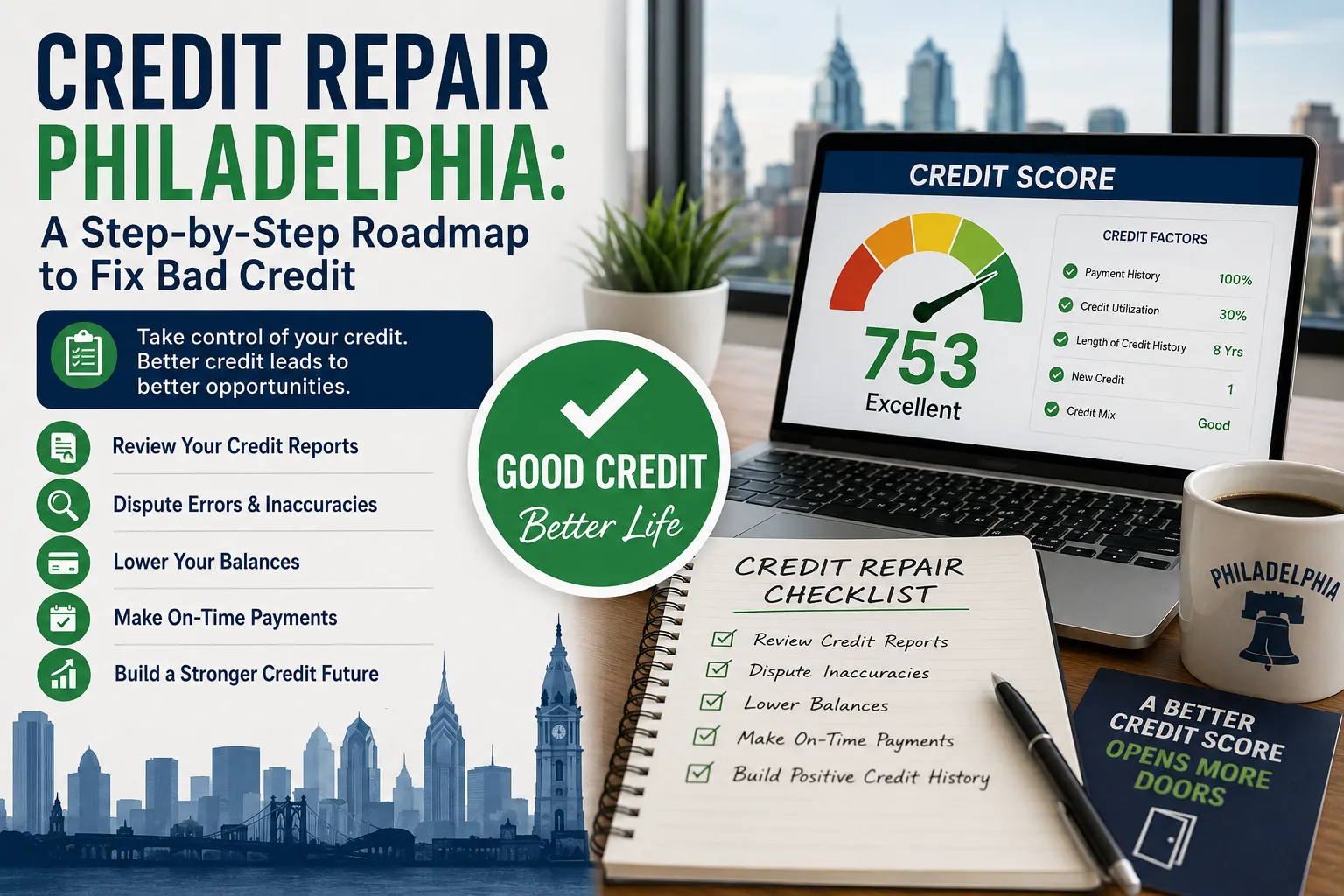
Bad credit can affect more than your ability to borrow money. It can make financial decisions more expensive and sometimes create obstacles when you are trying to rent a home, obtain financing, qualify for certain credit products, or reach other personal goals. When several negative accounts appear on your credit history, it can be difficult to determine which problem deserves attention first.
The good news is that credit problems can be approached systematically. Instead of looking for a quick way to erase your entire credit history, focus on understanding your reports, correcting legitimate errors, managing existing debt, and building better financial habits.
For consumers looking for a credit repair company or credit fixing service, knowing how the process works can also help you choose professional assistance more carefully.
First, Find the Reason Your Credit Is Struggling
A low credit score is a result, not necessarily the underlying problem.
Before taking action, review the information contributing to your credit profile. Look at your credit reports and identify the accounts or behaviors that may be creating difficulties.
Common issues include:
- Missed or late payments
- High credit card balances
- Collection accounts
- Charged-off accounts
- Accounts that do not belong to you
- Incorrect account balances
- Duplicate reporting
- Incorrect payment information
- Too many recent credit applications
Once you identify these issues, separate them into categories. This makes it easier to determine what needs to be disputed, what needs to be paid down, and what financial habits need to change.
Review Your Credit Reports for Errors
One of the most important steps in credit improvement is making sure your credit reports contain accurate information.
Review each account carefully. If you discover an account you do not recognize, an incorrect balance, a duplicate account, or payment information that does not match your records, investigate the issue.
Keep supporting documents whenever possible. Payment confirmations, statements, correspondence, and other records may help you understand whether the reported information is correct.
If you have a legitimate reason to believe an item is inaccurate or incomplete, use the appropriate dispute process.
It is important not to dispute information simply because it is negative. A responsible credit strategy focuses on correcting actual errors rather than attempting to remove truthful financial history.
Protect Your Payment History Going Forward
If you want to fix bad credit, preventing additional late payments should be a priority.
Past financial mistakes cannot always be changed immediately, but you can take control of your current accounts.
Consider creating a monthly payment system using:
- Calendar reminders
- Banking notifications
- Automatic payments when appropriate
- A written bill checklist
- A dedicated account for recurring obligations
If you anticipate difficulty paying a bill, contact the creditor before the account becomes seriously delinquent. Understanding your options early may help prevent the situation from becoming more difficult.
The objective is to establish consistent payment behavior while working on older credit problems.
Reduce High Credit Card Balances
Credit card debt is another area that deserves attention.
Start by listing each revolving account, its credit limit, current balance, minimum payment, and interest rate. This gives you a clear picture of your debt instead of relying on estimates.
For example, a $4,500 balance on a $5,000 credit limit means that most of the available credit is being used on that account.
Develop a repayment strategy that fits your actual budget. You might prioritize high-interest balances to reduce interest costs or use a smaller-balance approach to create momentum.
The key is consistency.
Do not make a debt payment so large that you cannot afford essential expenses. A sustainable repayment plan is more valuable than an aggressive plan that lasts only one month.
Stop New Debt From Replacing Old Debt
Paying down your balance becomes difficult if you continue borrowing for everyday expenses.
Take a close look at why you use credit cards. If credit is being used because your monthly income does not cover essential expenses, the solution may require changes to your household budget rather than another credit account.
Review recurring expenses and identify areas where you can reasonably save money. At the same time, consider whether additional income opportunities could improve your monthly cash flow.
The goal is to create enough financial stability that debt gradually moves downward instead of repeatedly increasing.
Be Careful With New Credit Applications
A low score can encourage consumers to apply for several new credit products in the hope that one will improve their situation.
Before applying, consider whether you genuinely need the account.
Every new account can create additional responsibilities, including future payments, fees, and interest charges. Multiple applications can also create additional inquiries depending on the circumstances.
If you do need new credit, read the terms carefully and make sure the account fits within your budget.
Credit building should be intentional rather than reactive.
Understand the Role of Collection Accounts
Collection accounts can create confusion because the company currently reporting the debt may not be the original creditor.
If you see a collection account, review the available information carefully. Check whether the debt belongs to you, whether the reported balance appears accurate, and whether other account details match your records.
If you find information that appears inaccurate, gather evidence and investigate the appropriate way to challenge the reporting.
If the account is accurate, focus on understanding your legitimate options for managing the debt. Filing a dispute without a valid reason is not an appropriate credit repair strategy.
What Can a Credit Repair Company Actually Do?
A reputable credit repair company may provide assistance with understanding credit reports, organizing information, identifying potentially inaccurate entries, preparing documentation, and explaining legitimate credit improvement options.
However, consumers should understand what professional credit repair cannot legitimately promise.
Be cautious of companies that claim they can:
- Remove every negative account
- Guarantee a specific credit score
- Erase accurate late payments instantly
- Create a new credit identity
- Dispute information that you know is correct
Credit improvement is based on accurate information and responsible financial management. Professional assistance should make the process clearer, not encourage unrealistic expectations.
Choosing a Credit Fixing Service in Philadelphia
If you are searching for credit repair Philadelphia services, compare providers before signing up.
Ask what the company actually provides and how its pricing works. Find out whether you will receive educational guidance, help organizing credit information, assistance understanding disputes, or other services.
You should also ask about contracts, cancellation policies, required documentation, and communication.
A trustworthy credit fixing service should explain its process in straightforward language. You should understand what actions are being taken and why.
Location can be useful when you want convenient communication or locally focused assistance, but transparency and responsible practices should remain more important than marketing claims.
Create a Credit Recovery Budget
Credit repair becomes more effective when it is connected to your overall financial plan.
Create a monthly budget that includes housing, utilities, transportation, food, insurance, debt payments, savings, and other necessary expenses.
Then determine how much you can realistically allocate toward outstanding balances.
If your budget leaves no room for debt repayment, do not simply ignore the problem. Look for ways to reduce expenses, increase income, or obtain appropriate financial guidance.
A credit score is only one part of your financial health. Improving the underlying money-management situation is equally important.
Monitor Your Progress
Credit recovery takes time, so establish measurable goals.
Instead of checking your score every day, track behaviors that you can control.
Ask yourself:
- Are my current payments being made on time?
- Are my revolving balances decreasing?
- Have I stopped unnecessary credit applications?
- Have I investigated questionable accounts?
- Am I following my budget?
- Am I avoiding additional debt?
These indicators can help you recognize meaningful progress even when your score does not change immediately.
When Professional Help May Be Worth Considering
Handling credit problems independently is possible, but complicated reports can make the process difficult.
Professional assistance may be worth considering if you have several accounts that need investigation, do not understand the information on your reports, or need help organizing documentation.
A qualified credit repair professional can provide education and organizational support while helping you understand your options.
You should still remain involved. Ask questions, review documents, and make sure you understand any action being recommended.
Build a Better Credit Future
Fixing bad credit is not simply about removing negative information. The long-term objective is to create a financial profile that is more accurate, stable, and responsibly managed.
Review your credit reports regularly, investigate genuine errors, maintain timely payments, reduce high revolving balances, avoid unnecessary debt, and build a budget that you can realistically maintain.
If professional guidance is appropriate, choose a credit repair company that emphasizes transparency and realistic expectations.
For Philadelphia consumers, a good credit fixing service should help you understand your situation and make informed decisions—not promise an overnight transformation.
Final Takeaway
Bad credit can feel permanent, but your current situation does not have to define your financial future. Start by identifying what is actually affecting your credit, then address each issue according to its nature.
Correct legitimate reporting errors. Protect your current payment history. Reduce debt where your budget allows. Avoid unnecessary new applications and monitor your credit reports for changes.
If you need additional support, carefully evaluate credit repair Philadelphia providers and choose a service that explains the process clearly.
There may not be a legitimate shortcut to perfect credit, but a structured plan, accurate information, responsible financial habits, and patience can help you work toward a healthier credit profile and greater financial control.

 English
 Arabic
 French
 Spanish
 Portuguese
 Turkish
 Dutch
Dutch
 Italiano
 Russian
 Romaian
 Portuguese (Brazil)
 Greek
Greek