


Top Lifestyle Trends Shaping Everyday Living in 2026
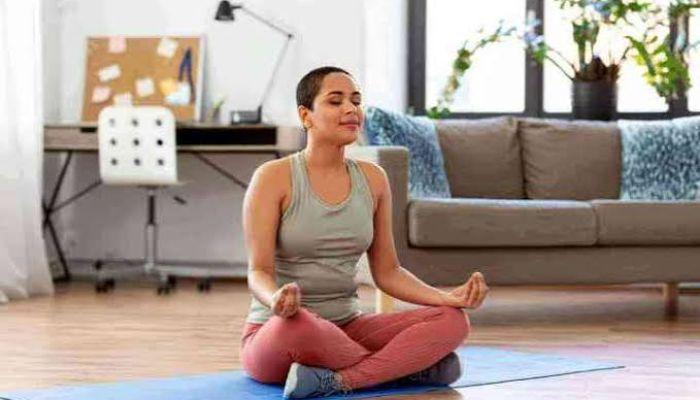
Lifestyle in 2026 is becoming less about following every new trend and more about making practical choices that fit everyday life. People are paying closer attention to health, sleep, personal finances, digital habits, food, exercise, sustainability, and the amount of time they spend connected to technology.
Recent consumer research shows that health and wellness are increasingly becoming part of ordinary routines. PwC's 2026 global consumer survey found that people are regularly tracking and adjusting areas such as food, sleep, stress, weight, physical activity, and general wellbeing.
At the same time, consumers are becoming more careful about value. Convenience remains important, but people also want products and services that provide a clear benefit. BCG's 2026 consumer research found that perceived value is a stronger purchase factor than price alone for many consumers.
These changes are creating a lifestyle approach that is more focused on consistency than quick results.
Wellness Becomes Part of Daily Routines
Wellness is no longer limited to gym memberships, strict diets, or occasional self-care activities. It is increasingly connected to everyday decisions involving food, movement, sleep, stress, and personal time.
NIQ's 2026 research describes a rise in self-directed health consumers who want clearer information, practical benefits, and products that fit their individual needs. The research also notes growing interest in health technology, wearables, sleep tools, and personalized wellness solutions.
For many people, a realistic wellness routine may include simple habits such as:
- Walking regularly
- Maintaining a consistent sleep schedule
- Eating a varied diet
- Drinking enough water
- Taking breaks during long work periods
- Spending time outdoors
- Practicing stretching or mobility exercises
- Limiting unnecessary screen time
- Making time for friends and family
The important point is consistency. A routine that can be followed for months is often more useful than an intense plan that becomes difficult to maintain after a few weeks.
Sleep is receiving particular attention. Technology can help people identify patterns, but the Global Wellness Institute's 2026 trends report notes a growing shift toward using sleep technology more selectively and focusing on consistent routines and supportive sleep environments.
Wearables can provide useful information about activity and sleep patterns, but they should not replace professional medical advice. Data can help people notice patterns, while qualified professionals can provide appropriate guidance for health concerns.
This practical approach is also visible in India. Recent reporting on Indian wellness trends highlights growing interest in sustainable fitness routines, sleep, nutrition, mental wellbeing, and at-home wellness.
Digital Balance and More Intentional Technology Use
Technology is now part of almost every area of modern life. Smartphones help people work, communicate, shop, travel, study, exercise, and entertain themselves. However, constant notifications and endless scrolling can also make it difficult to concentrate or relax.
Digital wellness is therefore becoming an important lifestyle topic. Shopify's 2026 wellness analysis identifies technology detox and ongoing boundaries around screen time as growing areas of consumer interest.
Digital balance does not require giving up smartphones or social media. Small changes can make technology use more manageable.
People can try:
- Turning off unnecessary notifications
- Keeping phones away during meals
- Setting specific times for social media
- Avoiding screens immediately before sleep
- Taking short outdoor breaks
- Using "do not disturb" periods
- Removing apps that create unnecessary distractions
- Keeping some activities completely offline
A two-week study referenced by Shopify found that reducing smartphone internet access was associated with lower screen time and longer sleep among participants.
The larger idea is not that technology is harmful. Digital tools can be useful when they solve a problem or make an activity easier. The issue is whether technology is being used intentionally or simply because notifications and algorithms constantly encourage engagement.
People are also showing greater interest in offline hobbies. Reading physical books, cooking, gardening, walking, drawing, exercising, and meeting friends provide alternatives to continuous screen use.
This balance can be especially useful for people who spend most of their working day in front of a computer.
Value, Sustainability, and Smarter Consumption
Lifestyle choices are also being influenced by the cost of living and greater awareness of sustainability. Consumers want useful products, but they are increasingly considering durability, quality, environmental impact, and long-term value.
BCG's 2026 consumer research found that 67% of surveyed consumers would not purchase a product simply because they could afford it if they did not believe it offered strong value.
This means consumers are looking beyond the lowest price.
Practical consumption habits can include:
- Comparing products before purchasing
- Checking ingredient and material information
- Choosing durable products
- Repairing items where practical
- Reducing unnecessary purchases
- Reusing containers and household items
- Planning meals to reduce food waste
- Supporting products with credible sustainability information
Sustainability remains important, but consumers are also looking for proof. Mastercard's 2026 research found that younger consumers show a willingness to pay more for environmentally friendly products, while price and values continue to compete during purchasing decisions.
This creates a more realistic approach to sustainable living. People do not need to replace everything they own with expensive alternatives. Using existing products for longer, reducing waste, and buying fewer unnecessary items can also be meaningful steps.
Natural and simple products are receiving attention in several lifestyle categories, but consumers should still read labels carefully. The word "natural" alone does not guarantee that a product is better, safer, or more environmentally responsible.
The same applies to health and wellness products. NIQ reports that ingredient transparency and credible product information are becoming increasingly important to consumers.
This makes informed shopping an important part of modern lifestyle management.
Personal Identity, Social Connection, and Long-Term Balance
Lifestyle is not only about health and shopping. Personal identity, relationships, hobbies, career choices, and social experiences also influence everyday wellbeing.
PwC's 2026 research identifies different groups of consumers with different approaches to wellness, including data-driven consumers, value-focused consumers, social wellness seekers, and people who prefer simpler and more affordable approaches.
This shows that there is no single lifestyle formula that works for everyone.
For one person, wellness may mean regular exercise and nutrition tracking. For another, it may mean spending more time with family, improving sleep, or reducing work-related stress.
Social connection is particularly important. People can build healthier routines through activities that involve others.
Examples include:
- Joining a walking group
- Taking a fitness class
- Cooking with family
- Participating in community activities
- Joining a hobby group
- Volunteering
- Meeting friends without relying on phones
- Spending time outdoors together
Career choices are also becoming more connected to lifestyle decisions. Deloitte's 2026 India Gen Z and Millennial research found that work-life balance and financial independence remain important priorities, while many younger workers are looking for sustainable workloads and realistic career progression.
This reflects a wider change in how people evaluate success. Career growth remains important, but it is increasingly considered alongside financial stability, personal time, health, and relationships.
Online searches can also expose consumers to commercial products that have little connection with broader lifestyle advice. For example, oxbar maglink nixodine pod is a specific consumer-product term and should not be treated as a general wellness or lifestyle recommendation.
Similarly, Oxbar Vape Flavor relates to a particular product category rather than a general lifestyle practice. Consumers should consider the purpose, ingredients, applicable regulations, and safety information associated with any product before making decisions.
The term Oxbar Vape is also product-related and should be separated from general discussions about healthy routines, fitness, nutrition, or digital wellbeing.
Conclusion
Lifestyle trends in 2026 are moving toward practical habits that people can maintain over time. Wellness is becoming part of everyday routines, digital balance is receiving more attention, consumers are considering value more carefully, and sustainability is increasingly connected with responsible purchasing.
Technology remains useful, particularly for tracking habits, finding information, managing schedules, and supporting everyday tasks. However, technology works best when it supports a person's goals rather than controlling their attention.
There is also greater recognition that lifestyle choices are personal. A routine that works for one person may not work for another. Age, income, work schedule, family responsibilities, location, interests, and personal goals all influence everyday decisions.
The most useful approach is therefore simple: choose realistic habits, check information carefully, spend money with purpose, make time for relationships and offline activities, and focus on consistency rather than perfection.
In 2026, a balanced lifestyle is less about following every trend and more about creating a daily routine that supports health, personal priorities, financial stability, and meaningful experiences.

 Arabic
 French
 Spanish
 Portuguese
 Deutsch
 Turkish
 Dutch
Dutch
 Italiano
 Russian
 Romaian
 Portuguese (Brazil)
 Greek
Greek