


Can Social Media Affect Child Mental Health? Causes and Support Options
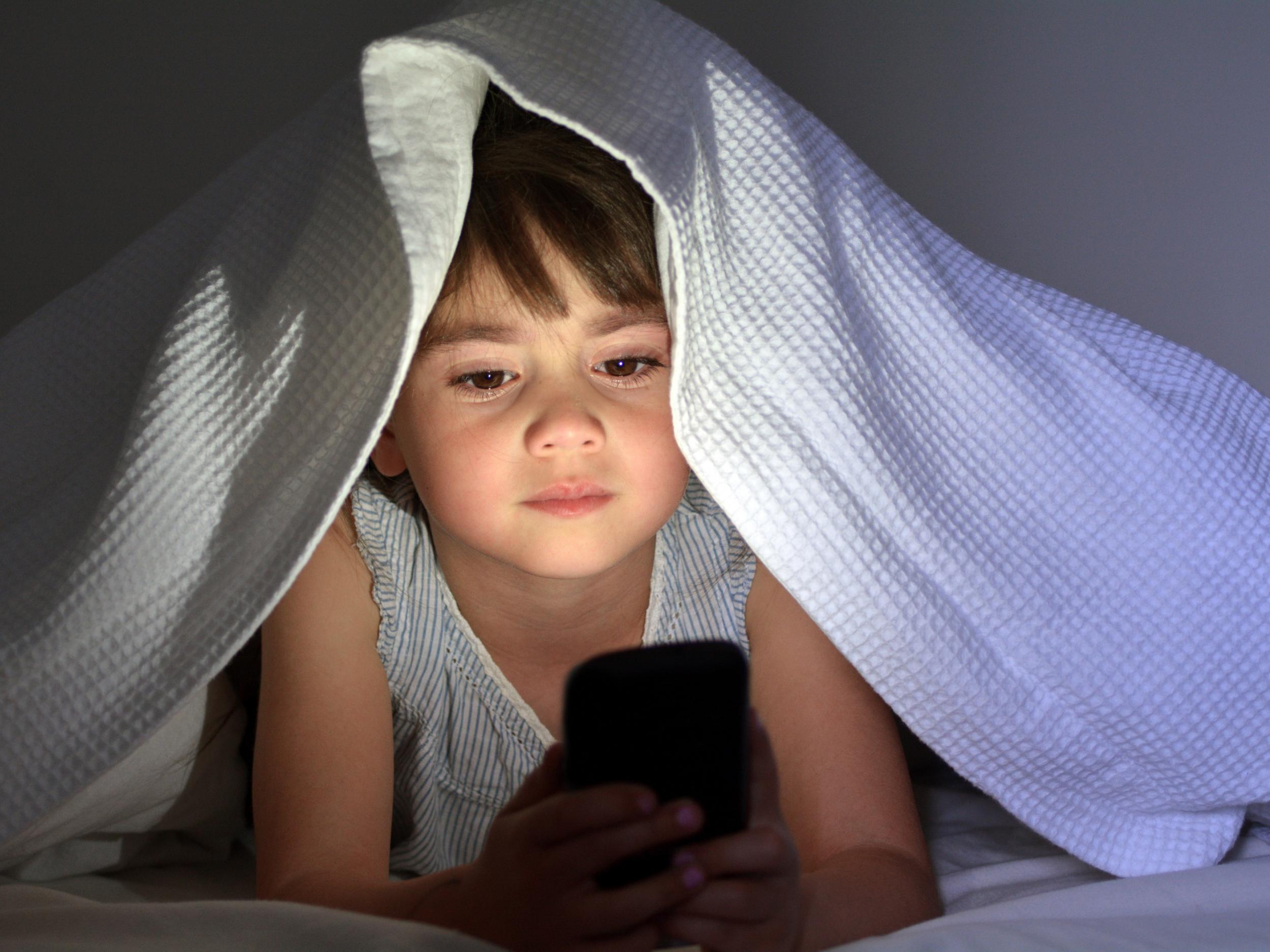
Social media has become a normal part of life for many children and families. Children may use social platforms to communicate with friends, watch videos, explore interests, play games, or learn about new topics. While online spaces can provide connection and entertainment, frequent or unhealthy social media use may also affect a child's emotional well-being.
The relationship between social media and child mental health is complex. Social media does not affect every child in the same way, and using a platform does not automatically cause a mental health disorder. However, certain experiences, such as cyberbullying, social comparison, excessive screen use, and exposure to upsetting content, may contribute to emotional difficulties in some children.
Understanding these possible effects can help parents and caregivers recognize concerns early and create healthier digital habits.
How Social Media Can Influence Child Mental Health
Children are still developing emotional regulation, social skills, and their understanding of themselves and the world around them. Because of this, online experiences can sometimes have a stronger emotional impact.
Positive online interactions can help children stay connected with friends and find communities related to their interests. However, negative interactions may contribute to stress, loneliness, insecurity, or changes in behavior.
The effect often depends on what a child sees online, how often they use social media, how they interact with others, and whether their online activities interfere with sleep, school, physical activity, or relationships.
Common Social Media Factors That May Affect Children
Several aspects of social media may contribute to emotional challenges.
Social Comparison
Children may compare their appearance, friendships, activities, or achievements with what they see online. Social media posts often show selected moments rather than a complete picture of someone's life.
Repeated comparison can contribute to feelings of inadequacy or low self-esteem, particularly when a child believes other people are happier, more attractive, or more successful.
Cyberbullying
Cyberbullying can happen through messages, comments, posts, images, or other online interactions. Unlike some forms of traditional bullying, online harassment can continue outside school and may reach a child through personal devices.
Repeated exposure to bullying can contribute to fear, sadness, withdrawal, anger, and changes in school performance. Children may also be reluctant to tell adults because they worry that their devices or internet access will be taken away.
Exposure to Distressing Content
Children may encounter violent, frightening, sexual, hateful, or otherwise inappropriate content online. Even when they do not intentionally search for such material, algorithms, shared posts, or recommendations can expose them to content they are not emotionally prepared to process.
Parents and caregivers can help by talking openly about what children encounter rather than relying only on restrictions.
Social Media and Sleep
Sleep is an important part of a child's physical and emotional development. Using social media late at night can make it harder for children to follow healthy sleep routines.
Notifications, conversations, videos, and the desire to keep checking a platform can delay bedtime. A child may also become emotionally stimulated by an online argument or upsetting post.
Poor sleep can affect concentration, mood, behavior, and the ability to manage everyday stress. Creating technology-free periods before bedtime may help protect a child's sleep routine.
Signs That Social Media May Be Affecting a Child
There is no single sign that proves social media is causing a mental health problem. However, parents may want to pay attention to noticeable changes that occur alongside increased or problematic social media use.
Changes in Mood and Behavior
Possible warning signs include increased irritability, sadness, anxiety, anger, withdrawal, or frequent emotional reactions after using social media.
A child who suddenly avoids friends, loses interest in activities, or becomes unusually concerned about appearance may also need additional attention and support.
Changes in School and Daily Activities
Parents may notice declining school performance, difficulty concentrating, missing assignments, or reduced participation in hobbies.
Other signs may include staying awake late to use a device, skipping meals, avoiding family activities, or becoming extremely distressed when access to a device is limited.
These changes can have many possible causes, so it is important not to assume that social media is the only explanation.
Social Media and Mental Health Disorders in Children
Social media use should not automatically be viewed as a direct cause of a mental health disorder. Mental health conditions develop through a combination of factors, including genetics, environment, life experiences, stress, and other influences.
However, negative online experiences may contribute to emotional distress or worsen existing symptoms in some children.
Anxiety and Depression
Children experiencing anxiety may become increasingly worried about how others perceive them online. Fear of missing out, negative comments, or pressure to respond can increase stress.
Depressive symptoms may include persistent sadness, loss of interest, low energy, changes in sleep or appetite, and social withdrawal. Online experiences may interact with these symptoms, particularly when a child is already struggling emotionally.
Eating-Related Concerns
Social media can expose children to unrealistic appearance standards, dieting messages, and content focused heavily on body image. For some young people, repeated exposure may contribute to unhealthy attitudes toward food or appearance.
Eating disorders are serious mental health conditions and require professional attention. Changes in eating habits, significant concern about weight or appearance, or avoiding meals should be taken seriously.
Obsessive-Compulsive Symptoms
Some children may encounter repeated health, contamination, safety, or other fear-based content online. For a child already experiencing obsessive thoughts or compulsive behaviors, certain online material may become part of an existing cycle of anxiety.
Parents should avoid assuming that social media caused OCD or another disorder. A qualified professional can evaluate symptoms and identify appropriate support.
How Parents Can Encourage Healthier Social Media Use
Parents do not necessarily need to eliminate social media completely. Instead, the goal can be to help children develop healthy and age-appropriate digital habits.
Set Clear and Consistent Boundaries
Families can establish reasonable rules around when and where devices can be used. For example, keeping devices away during meals or limiting nighttime use may create opportunities for sleep, family interaction, and other activities.
Rules are often more effective when children understand the reasons behind them.
Talk About Online Experiences
Regular conversations can make it easier for children to share concerns. Parents can ask what platforms they use, what content they enjoy, and whether anything online has made them uncomfortable.
Listening without immediately criticizing or punishing can encourage children to seek help when something goes wrong.
Teach Critical Thinking
Children can benefit from learning that online content does not always represent reality. Photos may be edited, posts may show only positive moments, and popularity does not determine a person's value.
Teaching children to question what they see online can help reduce unhealthy comparison.

Encouraging a Balanced Routine
A healthy routine should include more than screen-based activities. Physical activity, hobbies, family time, face-to-face friendships, creative activities, school responsibilities, and adequate sleep all support healthy development.
The goal is not necessarily to count every minute a child spends online. Parents can also consider whether social media is replacing important activities or interfering with everyday functioning.
A child who uses social media but continues sleeping well, attending school, participating in activities, and maintaining healthy relationships may have a different situation from a child whose online use is disrupting these areas.
When Should a Child Receive Professional Support?
Professional support may be appropriate when emotional or behavioral changes persist or interfere with a child's daily life.
Parents should consider speaking with a mental health professional if a child experiences ongoing anxiety, persistent sadness, severe withdrawal, significant changes in sleep or eating, frequent panic, intense body-image concerns, or other concerning changes.
If a child talks about suicide, self-harm, or wanting to die, the situation requires immediate attention. Parents should seek emergency help or contact an appropriate crisis service rather than relying on social media restrictions alone.
Treatment and Mental Health Support for Children
Treatment depends on the child's symptoms and individual circumstances. A mental health professional may use psychotherapy to help children understand emotions, develop coping skills, improve communication, and manage anxiety or depressive symptoms.
Family involvement can also be important. Parents and caregivers may learn ways to communicate with their child, establish supportive routines, and respond to emotional difficulties.
For children with a diagnosed mental health condition, treatment may include therapy and, when clinically appropriate, psychiatric evaluation and medication management.
Families looking for mental health treatment services can discuss their child's symptoms with a certified provider to understand which type of support may be suitable.
Telepsychiatry can provide remote access to mental health appointments when appropriate, while in-person services offer another option for families who prefer face-to-face care.
Creating a Healthier Relationship With Social Media
Social media is likely to remain part of children's lives, so teaching healthy digital habits can be more practical than focusing only on complete avoidance.
Children can learn to recognize harmful interactions, report cyberbullying, block inappropriate accounts, take breaks when online activity becomes stressful, and talk to trusted adults about concerning experiences.
Parents can also model healthy technology habits. Children often learn from what they see at home, so creating periods when the entire family puts devices away can make digital boundaries feel more natural.
For families seeking personalized support for children's emotional and behavioral concerns, Emotiva Healthcare provides telepsychiatry and in-person mental health services through certified providers.
Conclusion
Can social media affect child mental health? It can influence emotional well-being, but the relationship is not simple. Social comparison, cyberbullying, distressing content, excessive use, and disrupted sleep may contribute to stress or emotional difficulties in some children.
At the same time, social media can provide communication, friendship, creativity, education, and access to supportive communities. The effects depend on the child's age, experiences, online environment, existing mental health, and overall daily routine.
Parents can help by maintaining open communication, setting reasonable boundaries, encouraging balanced activities, and watching for meaningful changes in mood or behavior. When concerns persist or begin affecting school, relationships, sleep, or daily functioning, professional support can help identify what the child is experiencing and determine appropriate care.

 English
 Arabic
 French
 Spanish
 Portuguese
 Deutsch
 Turkish
 Dutch
Dutch
 Italiano
 Russian
 Romaian
 Greek
Greek