


Digital Printing on Fabric: Technology, Process and Applications
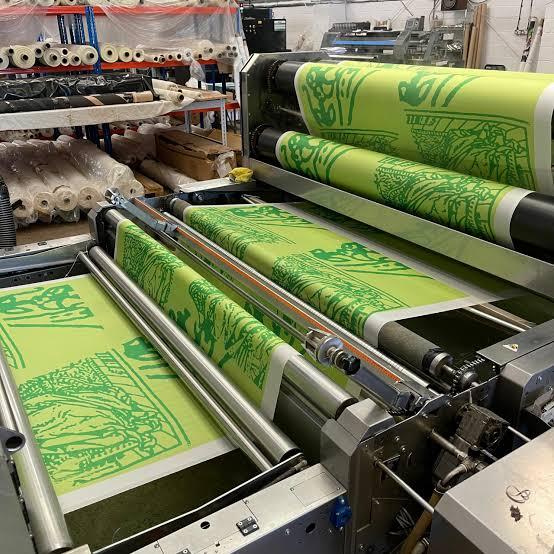
Digital printing on fabric is a computer-controlled method for applying designs, images, patterns, and colors to textiles. It uses specialized inkjet printers that place ink onto fabric according to a digital artwork file. The technology has become an important option for textile manufacturers because it supports detailed designs, customization, sampling, and shorter production quantities.
The growth of Digital printing on fabric has changed how designers approach textile development. A pattern can be edited on a computer and prepared for another print without producing new screens or engraved rollers. This flexibility is useful for fashion collections, home furnishings, sportswear, promotional products, and personalized textiles. At the same time, good results depend on choosing the right ink technology and controlling every stage from fabric preparation to finishing.
What Makes Digital Textile Printing Different?
Traditional textile printing often relies on physical screens or rollers. These methods can be highly efficient when large quantities of one design are required, but changing a design may involve additional setup.
Digital textile printing works from an electronic image. The printer's software converts the artwork into instructions that control the printheads. Different amounts of ink are placed at specific positions to create the final image.
This process makes complex artwork more practical. Photographs, gradients, fine illustrations, small lettering, and multicolor patterns can be reproduced without preparing a separate screen for every color.
How Digital Printing on Fabric Works
Design Preparation
Production begins with artwork. The design may be created specifically for fabric or adapted from an existing image.
Before printing, the file should be checked for resolution, dimensions, color settings, and pattern repetition. A repeating pattern requires particular attention because a small error in the repeat can become obvious when it extends across an entire roll.
Designers should also consider the final product. A pattern for a shirt may need to account for seams and panels, while a curtain design must be planned according to the finished hanging dimensions.
Fabric Selection
The fabric should be selected according to the product's intended use and the available printing technology.
Cotton and other cellulosic fibers are commonly processed with reactive or pigment inks. Polyester is widely used with sublimation printing. Silk, wool, and some polyamide materials can be printed with acid inks.
Fiber content is not the only consideration. Fabric weight, weave, surface texture, absorbency, and dimensional stability can affect the final appearance.
Fabric Preparation
A textile may need cleaning, pretreatment, drying, or other preparation before printing. The exact requirements depend on the ink system.
Pretreatment can influence ink absorption and color development. Uneven treatment may produce inconsistent color or image quality across the fabric.
The textile must also be handled carefully. Dust, oil, wrinkles, excess moisture, and uneven fabric tension can create defects during printing.
Printing
The prepared fabric moves through the printer while specialized printheads apply the selected inks. Computer-controlled positioning allows the printer to reproduce the digital design accurately.
Print resolution, fabric speed, number of passes, and ink volume can all influence the result. Higher detail settings may increase production time, while excessive ink can affect drying and fabric handle.
The correct settings are therefore determined by the fabric, design, ink, and required quality rather than by resolution alone.
Fixation and Finishing
After printing, many textile inks require fixation. Depending on the technology, this may involve heat, steam, or controlled curing.
Dye-based processes may require washing to remove unfixed material. Pigment printing generally follows a curing process that helps bind the pigment to the fabric.
Finishing can include washing, drying, softening, compacting, or other treatments. The finished fabric should then be inspected for color, sharpness, defects, and dimensional changes.
Major Digital Textile Printing Technologies
Reactive Printing
Reactive inks are commonly used with cotton, viscose, and other cellulosic fibers. During fixation, the dye reacts with suitable fiber molecules and becomes part of the textile structure.
When properly processed, reactive printing can provide strong colors and good wash resistance. It is frequently used for apparel, bed linen, scarves, and similar products.
Pigment Printing
Pigment inks use colored particles that are held to the fabric by a binder. They can be used on various textile types when the formulation and curing process are appropriate.
A significant practical feature of pigment workflows is that some applications can reduce the need for extensive post-print washing. However, binder selection and curing conditions influence softness and durability.
Sublimation Printing
Sublimation is widely used for polyester. Heat causes the dye to enter the polyester material, producing a print that is integrated into the fabric rather than forming a conventional surface coating.
Sportswear, flags, banners, soft signage, and promotional polyester textiles are common applications.
Acid Printing
Acid inks are suitable for materials such as silk, wool, and some polyamide fibers. They can produce detailed and vibrant results when the textile is properly prepared and the print is correctly fixed.
Practical Benefits of Digital Printing
Detailed Artwork
Digital printing is well suited to complex designs. Subtle color transitions, photographic images, fine lines, and intricate illustrations can be reproduced without the color-count limitations associated with some conventional processes.
Customization
Variable artwork is one of the major practical uses of digital textile printing. Different names, numbers, logos, or graphics can be incorporated into production without changing physical screens.
For example, a sportswear supplier can produce garments with different player names and numbers while maintaining the same basic design.
Efficient Sampling
Sampling allows a designer to examine the actual fabric before ordering a large quantity. Digital printing makes this process convenient because a small amount of fabric can be printed without extensive conventional setup.
A sample can reveal issues that may not be obvious on a monitor, including color differences, pattern scale, fabric texture, and image sharpness.
Short and Medium Production Runs
Digital systems can be practical for limited collections and products with unpredictable demand. Manufacturers can produce smaller quantities and change designs more frequently.
For extremely high-volume production, however, businesses should compare the total cost and production speed of digital and conventional printing before choosing a method.
Design Flexibility
Digital artwork can be edited relatively quickly. Colors can be adjusted, elements can be removed, and layouts can be changed without rebuilding a complete physical printing setup.
Where Digital Fabric Printing Is Used
Digital textile printing is used across several industries.
Fashion: Dresses, shirts, scarves, skirts, and other garments can feature customized or highly detailed designs.
Home textiles: Curtains, cushions, bedding, table coverings, and decorative fabrics can be printed with coordinated patterns.
Sportswear: Polyester-based sports garments can carry full-color graphics, team designs, numbers, and branding.
Promotional textiles: Companies use printed fabrics for flags, banners, displays, event backdrops, and branded materials.
Interior decoration: Designers can create customized textile surfaces for residential, commercial, and hospitality environments.
Common Challenges and Considerations
Color Accuracy
A computer monitor creates color using light, while fabric reflects light. As a result, an image viewed on screen may not look exactly the same after printing.
Color management, suitable printer profiles, controlled production conditions, and physical samples can help improve consistency.
Durability
Print durability depends on the ink, fiber, fixation, finishing, and intended care. A fabric used for frequently washed clothing has different requirements from a decorative wall hanging.
Testing should reflect the actual conditions the finished product will experience.
Fabric Shrinkage
Some textiles change dimensions during washing or heat treatment. If shrinkage is not considered, printed patterns may appear slightly different in scale after finishing.
Cost Management
The cost of digital printing includes more than ink. Fabric, pretreatment, energy, labor, machine speed, maintenance, fixation, washing, and finishing can all affect the final price.
Environmental Considerations
Digital printing can reduce certain setup materials and may support on-demand manufacturing, but it is not automatically environmentally preferable in every situation. Water consumption, energy use, chemical processing, wastewater, ink chemistry, and fabric production all contribute to the overall environmental impact.
Key Tips for Better Results
Start with a fabric and ink combination that has been tested for the intended application. Always produce a sample when color, pattern scale, or durability is important.
Maintain consistent fabric tension during printing and keep equipment properly serviced. Monitor nozzle performance because blocked or partially blocked nozzles can create streaks and missing areas.
For commercial production, document successful settings. Recording fabric specifications, pretreatment conditions, color profiles, ink configuration, and finishing parameters can make repeat orders more consistent.
Frequently Asked Questions
1. What is digital printing on fabric?
It is a textile printing method that uses digital artwork and specialized printers to apply ink to fabric without requiring conventional screens for the design.
2. Which fabrics can be digitally printed?
Many fabrics can be digitally printed, but the appropriate ink technology varies. Cotton, polyester, silk, wool, nylon, and blended textiles may require different printing systems.
3. Is digital printing suitable for customized fabric?
Yes. Digital workflows are particularly useful for customized patterns, names, numbers, photographs, logos, and limited-edition textile designs.
4. Does digital printing work for small quantities?
Yes. It is often practical for samples, prototypes, short runs, and products where designs change frequently. The most economical option depends on order size and production requirements.
5. How can digitally printed fabric be made more durable?
Use an ink system compatible with the fabric and follow the required pretreatment, fixation, curing, washing, and finishing procedures. Appropriate testing should be performed before full production.
Conclusion
Digital printing on fabric provides a flexible alternative to conventional textile printing for many applications. Its ability to handle detailed artwork, customized designs, sampling, and shorter production runs makes it valuable to modern textile businesses and designers.
The printing stage itself is only one part of the process. Fabric selection, artwork preparation, pretreatment, ink compatibility, color management, fixation, and finishing all influence the finished textile. Careful testing is especially important when the material will be washed frequently or exposed to demanding conditions.
By matching the printing technology to the fiber, design, production quantity, and end use, manufacturers can achieve consistent results while controlling quality and production costs.

 English
 Arabic
 French
 Portuguese
 Deutsch
 Turkish
 Dutch
Dutch
 Italiano
 Russian
 Romaian
 Portuguese (Brazil)
 Greek
Greek