


Golden triangle tour packages
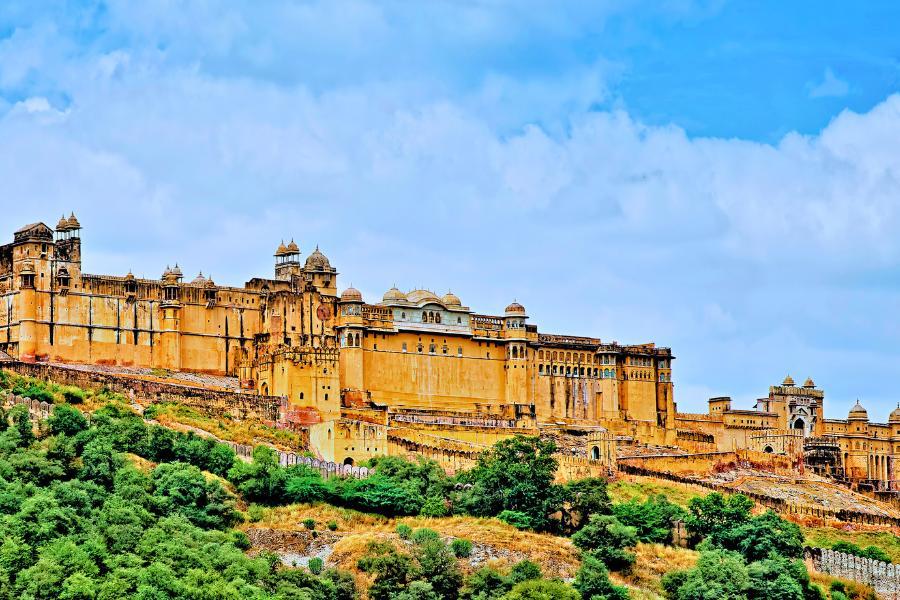
Golden Triangle Tour Packages: Explore Delhi, Agra and Jaipur in One Unforgettable Journey
Golden Triangle tour packages are among the most popular ways to experience the cultural, historical, and architectural highlights of northern India. The classic Golden Triangle connects Delhi, Agra, and Jaipur, three destinations that together create a fascinating introduction to India's heritage. Each city has its own personality: Delhi combines ancient monuments with a modern capital-city atmosphere, Agra is home to the legendary Taj Mahal, and Jaipur brings the royal grandeur of Rajasthan through magnificent forts, palaces, colorful markets, and traditional crafts.
The route is called the Golden Triangle because the three cities form a roughly triangular shape on the map. More importantly, the journey connects three destinations with remarkably different experiences within a manageable travel circuit. You can begin among the historic streets of Old Delhi, stand before the Taj Mahal in Agra, and finish among the pink-colored buildings and royal palaces of Jaipur. For first-time visitors to India, few itineraries provide such a rich mixture of history, culture, architecture, cuisine, shopping, and local experiences in a relatively short holiday.
A good Golden Triangle India tour package does not simply take you from one monument to another. It creates a balanced travel experience with comfortable transportation, carefully selected hotels, professional guides, sightseeing time, and opportunities to discover local life. Whether you have three days, five days, a week, or more, the route can be adapted to match your schedule and interests.
What Is the Golden Triangle Tour?
The Golden Triangle is a classic tourist circuit connecting Delhi, Agra, and Jaipur. Delhi is usually the starting or ending point because of its international airport and excellent transportation connections. Agra lies between Delhi and Jaipur and provides the route's most famous landmark, the Taj Mahal. Jaipur then introduces travelers to Rajasthan's royal history, distinctive architecture, colorful bazaars, and desert-state culture.
The appeal of the route comes from its variety. Delhi gives you a glimpse of India's political and historical center, where Mughal, British, and contemporary influences exist side by side. Agra takes you deeper into the Mughal era through the Taj Mahal and Agra Fort. Jaipur shifts the story toward Rajput royalty, with enormous hilltop forts, ornate palaces, astronomical architecture, and vibrant markets.
This makes the Golden Triangle feel like a journey through several chapters of Indian history. You are not visiting three cities that look alike. You are moving through different architectural traditions, cuisines, landscapes, and cultural environments.
Why Choose Golden Triangle Tour Packages?
Planning a multi-city trip across India independently can take considerable time. You need to organize hotels, transportation, sightseeing, entrance tickets, guides, meals, and daily schedules. A Golden Triangle tour package brings these arrangements together so you can concentrate on experiencing the destinations rather than constantly managing logistics.
Another benefit is efficiency. The route is well established, which means a carefully planned itinerary can reduce unnecessary backtracking. Private transportation also allows you to travel directly between destinations instead of navigating multiple public transportation connections.
Packages can also be customized. A couple celebrating an anniversary might prefer luxury hotels and private experiences, while a family may prioritize spacious rooms, comfortable vehicles, and a slower itinerary. A photography enthusiast might want additional time at monuments, while a history lover could request more guided sightseeing.
The best package is therefore not necessarily the cheapest or the longest. It is the one that matches your interests and gives you enough time to enjoy each destination without turning the holiday into a race.
Delhi: The Beginning of Your Golden Triangle Journey
Delhi is an extraordinary starting point because the city contains layers of history that stretch across centuries. Ancient settlements, Mughal monuments, colonial architecture, religious sites, modern shopping districts, and contemporary neighborhoods all exist within the same metropolitan area.
A Delhi sightseeing tour can begin in Old Delhi, where the atmosphere is energetic and densely packed. The Red Fort, Jama Masjid, Chandni Chowk, and surrounding historic streets provide an introduction to the Mughal period. A cycle-rickshaw ride through parts of Old Delhi can also be an enjoyable way to experience the busy lanes and markets.
New Delhi presents a contrasting environment. Wide roads, government buildings, India Gate, museums, gardens, and monumental architecture reflect the city's transformation during the British period and after independence.
Qutub Minar and Humayun's Tomb are particularly important stops for travelers interested in architecture. These monuments provide useful context for understanding the architectural traditions that later influenced the Mughal style.
Old Delhi Experience
Old Delhi is not simply a collection of monuments. It is an experience of movement, sound, food, commerce, and history.
Walking through Chandni Chowk can feel overwhelming at first, but that energy is part of its charm. Shops, food stalls, religious buildings, traditional businesses, and narrow lanes create a constantly changing scene.
The Red Fort offers a calmer historical contrast. Its enormous walls and royal structures reveal the scale of Mughal imperial power, while Jama Masjid provides another important example of historic Islamic architecture.
For food lovers, Old Delhi is particularly appealing. Traditional street foods and North Indian dishes can become an important part of the experience, although visitors should choose reputable food establishments and consider their dietary needs.
New Delhi Sightseeing
New Delhi is more spacious and structured than Old Delhi. The area around India Gate, Parliament-related landmarks, museums, gardens, and major avenues presents a different image of the capital.
Humayun's Tomb is especially worth including because of its elegant architecture and historical importance. The monument's gardens and symmetrical design also make it popular with photographers.
Qutub Minar is another major attraction. Its towering structure and surrounding complex provide a glimpse into Delhi's earlier history.
A private Golden Triangle tour package allows you to combine Old and New Delhi according to your schedule. Rather than trying to see every attraction, choose the places that best match your interests.
Agra: Home of the Taj Mahal
After Delhi, the journey continues to Agra, the city most closely associated with the Mughal Empire and the Taj Mahal.
For many travelers, arriving in Agra feels like reaching the emotional center of the Golden Triangle. The Taj Mahal is one of those landmarks that can be difficult to appreciate fully through photographs alone. Its scale, symmetry, marble surfaces, gardens, and intricate decorative work become much more impressive when experienced in person.
The monument was commissioned by Shah Jahan in memory of Mumtaz Mahal. Its story, craftsmanship, and architecture have made it one of the world's best-known symbols of love and remembrance.
A good guide can explain the details that are easy to overlook, including marble inlay, calligraphy, architectural symmetry, and the significance of different parts of the complex.
Taj Mahal Sunrise Experience
A Taj Mahal sunrise tour is an excellent option for travelers who want to experience the monument during the cooler and quieter part of the day.
Early morning light can create a beautiful atmosphere around the marble structure. The changing colors and softer illumination can also provide excellent photography opportunities.
A sunrise visit requires an early start, but many travelers find the effort worthwhile. Standing in front of the Taj Mahal as the surrounding sky becomes brighter is a completely different experience from visiting during the middle of a busy afternoon.
If you are traveling from Delhi as part of a same-day excursion, however, the schedule needs to be carefully coordinated. Travelers who want a true sunrise experience often benefit from staying overnight in Agra.
Agra Fort
The Taj Mahal should be followed by a visit to Agra Fort because the two monuments reveal different aspects of Mughal history.
Agra Fort is a vast red sandstone complex containing palaces, courtyards, audience halls, mosques, and defensive structures. Several Mughal emperors were associated with the fort, making it an important historical counterpart to the Taj Mahal.
The connection between Shah Jahan and Agra Fort adds another layer to the experience. During the final period of his life, Shah Jahan was confined within the fort by his son Aurangzeb. From parts of the complex, visitors can see the Taj Mahal in the distance.
This connection makes Agra Fort more than a secondary attraction. Together, the fort and Taj Mahal tell a broader story of Mughal power, architecture, family, ambition, and loss.
Jaipur: The Pink City
After Agra, your Golden Triangle tour continues toward Jaipur, the capital of Rajasthan.
Jaipur is famous for its distinctive architecture and royal heritage. The city is often called the Pink City because of the characteristic color of many buildings in its historic areas.
The atmosphere changes noticeably as you enter Rajasthan. The architecture becomes more colorful and ornate, and the influence of Rajput rulers becomes increasingly visible.
Jaipur offers a combination of forts, palaces, markets, museums, temples, and traditional crafts. It is also one of the best places on the Golden Triangle route to experience Rajasthan's colorful culture.
Amber Fort
One of Jaipur's most spectacular attractions is Amber Fort, located on a hill outside the main city.
The fort combines defensive architecture with royal palaces, courtyards, decorative halls, gateways, and views across the surrounding landscape.
The journey to Amber Fort itself can be enjoyable because the route takes you away from the busy center of Jaipur and into a more rugged landscape.
Inside the fort, take time to appreciate the detailed decoration. Mirrors, carved stone, painted surfaces, arches, and palace courtyards demonstrate the sophistication of Rajput architecture.
Amber Fort is particularly impressive when visited with a knowledgeable guide who can explain how the palace functioned and how its architectural features reflected royal life.
City Palace and Hawa Mahal
The City Palace is another essential Jaipur attraction. The complex combines courtyards, museums, gateways, royal residences, and decorative architecture.
It provides a glimpse into the lifestyle and history of Jaipur's ruling family and offers numerous opportunities for photography.
Nearby, the famous Hawa Mahal, or Palace of Winds, is one of Jaipur's most recognizable buildings. Its elaborate façade contains numerous small windows and openings designed to allow air to circulate through the structure.
The building's distinctive appearance makes it one of the most photographed places in Rajasthan.
A good Jaipur itinerary should give you enough time to appreciate these landmarks rather than simply stopping for a quick photograph.
Jaipur Markets and Shopping
Shopping can be one of the most enjoyable parts of a Golden Triangle holiday, particularly in Jaipur.
The city is known for textiles, jewelry, handicrafts, gemstones, traditional clothing, pottery, paintings, and other artisanal products.
You do not have to become a serious shopper to enjoy the markets. Even browsing the colorful displays provides insight into Rajasthan's artistic traditions.
If you plan to purchase expensive items, take your time and compare products. For valuable jewelry or gemstones, use established retailers and request appropriate documentation.
Handcrafted textiles and smaller decorative items can make more straightforward souvenirs.
Golden Triangle Tour by Car
A private car Golden Triangle tour is one of the most flexible ways to travel between Delhi, Agra, and Jaipur.
You can be picked up directly from your hotel, travel according to your itinerary, stop for meals, and adjust your sightseeing schedule when necessary.
Private transportation is especially useful for families and small groups. Instead of managing luggage and navigating public transportation, you can travel comfortably between destinations.
It also provides flexibility for adding optional stops. For example, you could visit Fatehpur Sikri between Agra and Jaipur if your itinerary allows enough time.
The main advantage is simple: your transportation works around your trip rather than forcing your trip to work around transportation.
Golden Triangle Tour by Train
Traveling by train is another popular option. India's railway network connects the three major destinations, and train journeys can be an enjoyable part of the experience.
A Taj Mahal tour by Gatimaan Train is particularly attractive for travelers traveling between Delhi and Agra because the premium service provides a fast connection.
Train-based itineraries can be especially useful when you want to reduce road travel. However, you still need to arrange local transportation at each destination.
For a seamless experience, some travelers choose a hybrid itinerary: train between selected cities and private transportation for local sightseeing.
Golden Triangle Tour Packages by Duration
The ideal length of a Golden Triangle trip depends on your travel style.
A 3-day Golden Triangle tour is suitable for travelers with very limited time. It can cover the highlights of Delhi, Agra, and Jaipur, but the pace will be relatively fast.
A 4-day or 5-day tour provides a more comfortable experience and gives you additional sightseeing time.
A 6-day or 7-day Golden Triangle tour allows you to explore the three cities at a slower pace and add optional attractions.
Longer itineraries can include Ranthambore, Udaipur, Jodhpur, Varanasi, or other destinations.
The general rule is simple: the more time you have, the more flexibility you can build into the itinerary.
Golden Triangle with Ranthambore
Travelers who want to combine culture with wildlife can add Ranthambore National Park to the classic Golden Triangle.
This creates a fascinating contrast. Delhi, Agra, and Jaipur focus heavily on architecture and history, while Ranthambore introduces forests, wildlife, and safari experiences.
A typical extended itinerary can travel from Agra toward Ranthambore before continuing to Jaipur.
The possibility of seeing a Bengal tiger in the wild is one of the biggest attractions, but wildlife sightings can never be guaranteed. The safari experience itself is valuable because it provides an opportunity to explore a completely different side of India.
Luxury Golden Triangle Tour Packages
A luxury Golden Triangle tour can transform the classic route into a premium travel experience.
Luxury packages may include five-star hotels, heritage properties, private vehicles, professional guides, fine dining, personalized sightseeing, and exclusive cultural experiences.
Rajasthan is particularly well suited to luxury travel because former palaces and historic residences have been converted into elegant hotels.
Luxury travel does not have to mean visiting only famous attractions. Private dinners, heritage walks, customized photography experiences, cooking demonstrations, and carefully arranged cultural encounters can make the journey much more personal.
Golden Triangle Family Tour
The Golden Triangle can be an excellent family destination when the itinerary is designed at a comfortable pace.
Children may enjoy the forts, palaces, train journeys, markets, and colorful architecture, while parents can appreciate the historical and cultural depth of the route.
Families should avoid packing too many activities into a single day. Regular breaks, comfortable transportation, suitable hotels, and flexible meal arrangements can make a major difference.
A private tour is often particularly convenient for families because the schedule can be adjusted according to children's needs.
Golden Triangle Honeymoon Packages
For couples, the Golden Triangle offers an appealing combination of romance, luxury, history, and culture.
The Taj Mahal naturally becomes one of the emotional highlights of the journey. Jaipur adds palace architecture, heritage hotels, private dining opportunities, and colorful surroundings.
A honeymoon itinerary can be designed with private transportation, luxury accommodations, romantic dinners, spa experiences, and personalized sightseeing.
Couples can also extend the trip into Rajasthan or combine the Golden Triangle with Kerala or Goa for a more relaxing finish.
Best Time for a Golden Triangle Tour
The best time to travel depends on your tolerance for heat, cold, and crowds.
The cooler months are generally comfortable for sightseeing, especially because many of the major attractions require substantial outdoor walking.
Summer can be hot, so travelers visiting during warmer months should schedule outdoor sightseeing during cooler parts of the day.
The monsoon season can bring rain and humidity, but it can also create dramatic skies and refresh the landscapes.
Regardless of the season, comfortable footwear, appropriate clothing, sunscreen, and hydration are important.
What Is Included in Golden Triangle Tour Packages?
Package inclusions vary, but a comprehensive itinerary may include:
-
Hotel accommodation
-
Private air-conditioned transportation
-
Airport or hotel transfers
-
Professional local guides
-
Monument entrance assistance or tickets
-
Breakfast
-
Train tickets when included in the itinerary
-
Driver expenses
-
Toll and parking charges
-
Optional sightseeing experiences
Always check the exact inclusions before booking. Two packages can have similar prices but very different levels of service.
Pay particular attention to hotel categories, vehicle type, guide services, entrance fees, meals, and optional activities.
How to Choose the Best Golden Triangle Package
Start by deciding how much time you have. Do not select a seven-day itinerary if you only have five days available.
Next, decide whether you prefer private or group travel. Private tours offer greater flexibility, while group tours can be more economical and social.
Then consider accommodation. Budget hotels, comfortable mid-range properties, luxury hotels, and heritage properties provide very different experiences.
Finally, examine the itinerary itself. A good itinerary should provide realistic travel times and enough sightseeing time. If a package includes ten attractions in one afternoon, it may look impressive on paper but could be exhausting in reality.
The best itinerary is the one you can actually enjoy.
Practical Tips for a Golden Triangle Holiday
Start your sightseeing early whenever possible. Major monuments are often more pleasant during the morning, particularly during warmer periods.
Wear comfortable shoes because historic complexes can involve considerable walking.
Keep your luggage organized and carry only essential items during sightseeing.
Drink enough water and take breaks when needed.
Keep some flexibility in your schedule because road conditions and local circumstances can occasionally affect travel times.
Most importantly, do not judge the entire experience by how quickly you move between monuments. Some of the best memories come from sitting down for a meal, walking through a market, talking with a guide, or watching everyday life unfold.
Why the Golden Triangle Is Perfect for First-Time Visitors
The greatest strength of the Golden Triangle is variety.
Within a single itinerary, you can experience the modern capital of Delhi, Mughal architecture in Agra, and Rajasthan's royal heritage in Jaipur.
You can travel by road or train, eat completely different regional foods, explore bustling markets, visit enormous forts, photograph palaces, and stand before the Taj Mahal.
The route also gives you a manageable introduction to India. Rather than attempting to cross the entire country, you focus on three major destinations connected by a well-established travel circuit.
Once you complete the Golden Triangle, you may find yourself wanting to return and explore Rajasthan more deeply, visit Kerala, discover Varanasi, experience Himalayan landscapes, or embark on a wildlife adventure.
Conclusion
Golden Triangle tour packages provide one of the most rewarding ways to experience India's history, architecture, culture, and hospitality in a single journey. Delhi, Agra, and Jaipur each offer a completely different perspective, yet together they create a natural and fascinating travel route.
Delhi introduces you to India's extraordinary mixture of old and new. Agra brings you face to face with the Taj Mahal and the grandeur of the Mughal era. Jaipur completes the journey with its forts, palaces, colorful streets, and royal Rajasthan atmosphere.
Whether you choose a short three-day itinerary, a relaxed week-long journey, a luxury private tour, a family holiday, or an extended Golden Triangle itinerary with Ranthambore, the route can be adapted to suit your needs.
The secret is to travel at a comfortable pace and choose a package that prioritizes genuine experiences rather than simply adding more attractions to the itinerary. India has a way of surprising travelers, and the Golden Triangle provides an excellent stage on which that story can begin.
Frequently Asked Questions
1. What cities are included in the Golden Triangle tour?
The classic Golden Triangle consists of Delhi, Agra, and Jaipur. Delhi is the capital and historical starting point, Agra is home to the Taj Mahal, and Jaipur is the famous Pink City of Rajasthan.
2. How many days are ideal for a Golden Triangle tour?
Around 5 to 7 days is a comfortable duration for most first-time visitors. Shorter three- or four-day tours are possible, while longer itineraries allow you to add destinations such as Ranthambore, Udaipur, or Jodhpur.
3. Can I customize a Golden Triangle tour package?
Yes. Private Golden Triangle tours can usually be customized around your preferred hotels, transportation, sightseeing, travel pace, and additional destinations.
4. Is the Golden Triangle suitable for families?
Yes. The combination of forts, palaces, markets, monuments, and train journeys can be exciting for children and adults. A private itinerary with comfortable travel times is often the most convenient option for families.
5. Can I add Ranthambore to a Golden Triangle tour?
Yes. Golden Triangle with Ranthambore is a popular extended itinerary for travelers who want to combine India's cultural heritage with a wildlife safari experience. It is generally best to allow additional days rather than trying to fit everything into a rushed schedule.

 English
 Arabic
 French
 Spanish
 Portuguese
 Deutsch
 Turkish
 Dutch
Dutch
 Italiano
 Romaian
 Portuguese (Brazil)
 Greek
Greek