


How to Choose the Best Besan for Crispy Pakora
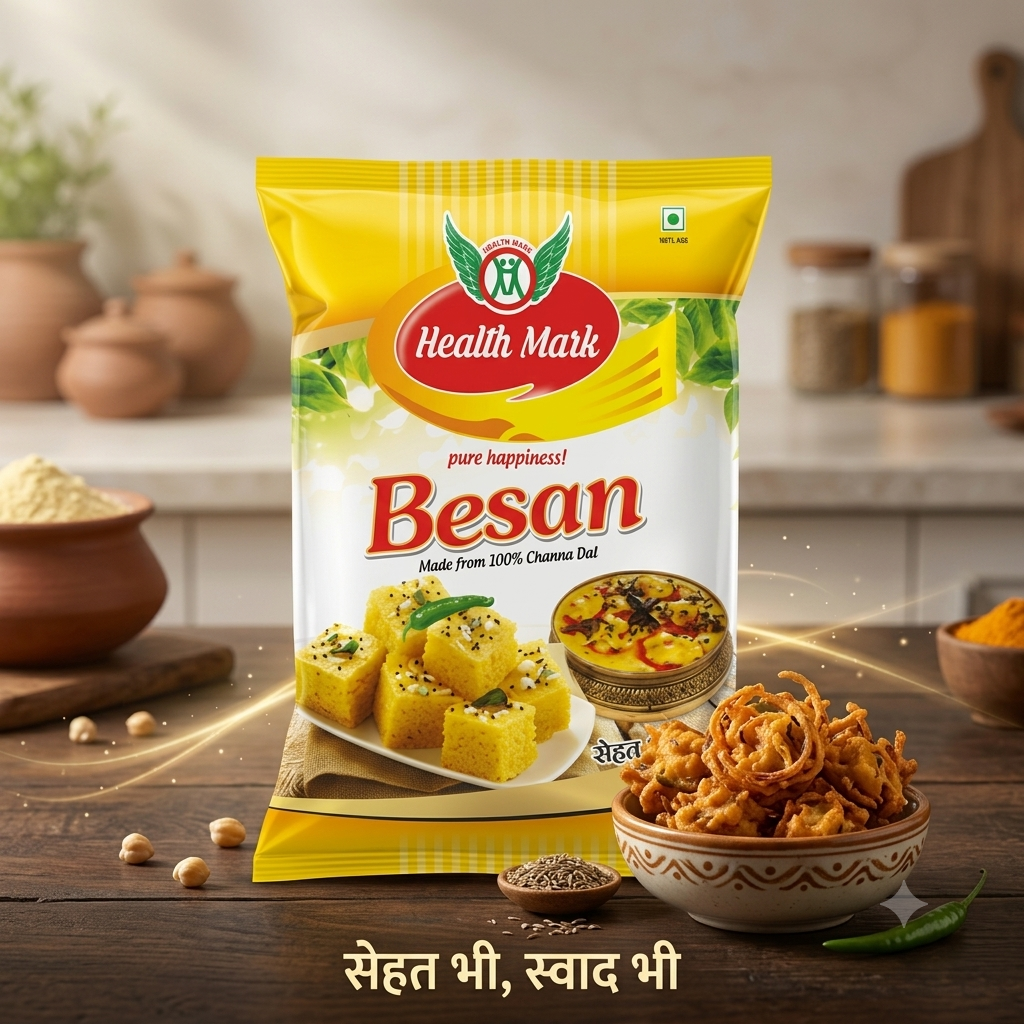
Pakora is one of the most popular Indian snacks, enjoyed with tea during rainy evenings, family gatherings, and festive occasions. From onion and potato pakora to paneer and spinach varieties, the basic ingredient remains the samegram flour.
However, the final texture of pakora depends greatly on the quality of flour used. Choosing the best besan for crispy pakora can help create a light coating, balanced taste, and satisfying crunch. Instead of selecting a packet only by price or packaging, it is better to understand a few important quality factors before buying.
Why Does Besan Quality Matter for Pakora?
Gram flour forms the main base of pakora batter. Its texture and freshness affect how smoothly the batter mixes, how well it coats vegetables, and how the snack cooks during frying.
Good-quality flour creates a smooth and manageable batter. Poorly stored or unevenly ground flour, on the other hand, may result in lumps, excessive oil absorption, or an inconsistent coating.
This is why choosing the best besan is an important first step when preparing crispy homemade snacks.
Check the Texture Before Buying
Texture is one of the first things to consider.
For most pakora recipes, finely ground gram flour works well because it combines easily with water, spices, and other ingredients. A consistent grind also helps the batter spread evenly over vegetables or paneer.
A premium quality besan should normally have a smooth and uniform appearance without excessive lumps.
However, the required texture can differ depending on the recipe. Some traditional namkeen preparations may use a slightly coarser grind, while regular pakora generally performs well with fine flour.
Freshness Makes a Difference
Fresh flour can noticeably improve the taste and aroma of homemade pakora.
Before purchasing a packet, check its manufacturing date, best-before information, and packaging condition. Flour that has been stored for too long or exposed to moisture may lose its freshness.
After opening the packet, transfer it to an airtight container and keep it in a cool and dry location.
Freshness should be considered when selecting premium besan, especially if the flour is used regularly for snacks, chilla, kadhi, or sweets.
Inspect the Packaging
Good packaging protects flour from moisture, dust, and outside contamination.
Look for a packet that is properly sealed and does not have tears, holes, or signs of moisture. Product information such as ingredients, net quantity, manufacturing details, and storage instructions should also be clearly visible.
A reliable best besan seller should provide properly packed products with transparent labeling rather than depending only on promotional claims.
For restaurants, retailers, or households buying larger quantities, packaging becomes even more important because flour may need to be stored for longer periods.
Pay Attention to Batter Consistency
Even high-quality flour will not create crispy pakora if too much water is added.
Start with a small amount of water and gradually mix it into the flour. The batter should be thick enough to coat the vegetables properly without becoming too heavy.
Different ingredients require slightly different consistencies. Onion releases its own moisture, while potato or paneer may need a smoother coating.
The correct balance between flour and water is often more important than adding extra ingredients.
Do Not Make the Batter Too Thin
A common mistake is making pakora batter watery.
Thin batter may slide off the vegetables before frying and can create an uneven coating. It may also reduce the crisp texture people expect from pakora.
When using the best besan for crispy pakora, add water slowly while stirring continuously. Stop once the mixture can coat the ingredients without dripping excessively.
If onions are being used, wait a little after adding salt because they naturally release water.
Use Spices in the Right Quantity
Gram flour creates the base, but spices bring flavour to the snack.
Common additions include:
-
Green chilli
-
Cumin
Spices should complement the main ingredients instead of overpowering them.
Some cooks also add a small quantity of rice flour for additional crunch. This is optional, as good batter preparation and frying temperature can already make a considerable difference.
Maintain the Correct Oil Temperature
Choosing premium quality besan alone cannot guarantee crisp pakora. Oil temperature is equally important.
If the oil is too cold, the batter may absorb more oil and become greasy. If it is extremely hot, the outer coating may brown quickly while the ingredients inside remain undercooked.
Medium-hot oil is generally suitable.
Before frying the full batch, drop a small amount of batter into the oil. It should gradually rise toward the surface rather than staying at the bottom or immediately turning dark.
Avoid Overcrowding the Pan
Adding too many pakoras at once reduces the temperature of the oil.
This can make the snacks cook unevenly and absorb additional oil. Frying smaller batches allows enough space around each pakora and helps maintain a stable frying temperature.
It is a simple technique, but it can make a noticeable difference to crispiness.
Different Pakoras Need Different Preparation
The same batter does not always work equally well for every ingredient.
Onion Pakora: Use limited additional water because onions release moisture naturally.
Paneer Pakora: Prepare a smooth batter that can evenly coat individual paneer pieces.
Aloo Pakora: Potato slices should be thin enough to cook properly while the coating becomes crisp.
Palak Pakora: Apply a light coating so the spinach does not become excessively heavy.
Mixed Vegetable Pakora: Adjust the amount of water according to the vegetables being used.
A good-quality besan gives cooks the flexibility to prepare these different varieties with small adjustments.
What Should You Look for When Buying Besan?
Instead of selecting a product only because it claims to be the best besan, compare practical factors such as:
-
Consistent grinding
-
Freshness
-
Properly sealed packaging
-
Clear product information
-
Suitable texture
-
Reliable availability
-
Proper storage instructions
A premium besan should perform consistently across common household recipes rather than being suitable for only one preparation.
Storage Is Important After Opening
Once opened, flour should always be protected from moisture.
Use a clean and dry spoon whenever taking flour from the container. Keep the lid tightly closed and avoid storing the container near steam, water, or excessive heat.
Proper storage helps maintain the original texture and quality for longer.
This is particularly useful for families that purchase larger packs.
Health Mark Besan for Everyday Indian Cooking
Health Mark Besan can be used for traditional Indian recipes such as pakora, kadhi, chilla, dhokla, and sweets.
Consumers looking for good-quality gram flour should compare freshness, texture, packaging, and their individual cooking requirements before making a purchase.
For pakora specifically, choosing the right flour along with proper batter preparation and frying temperature can lead to much better results.
Final Thoughts
Choosing the best besan for crispy pakora is not simply about selecting the most expensive packet. Texture, freshness, packaging, storage, batter consistency, and cooking technique all play an important role.
A good besan should mix smoothly and work consistently across different Indian dishes. When combined with the right amount of water, balanced spices, and properly heated oil, it can help create pakora that is crisp outside and well cooked inside.
For everyday cooking, products such as Health Mark Besan can be considered alongside these quality factors while selecting gram flour for the kitchen.

 English
 Arabic
 French
 Spanish
 Portuguese
 Deutsch
 Turkish
 Dutch
Dutch
 Italiano
 Russian
 Romaian
 Greek
Greek