


Buy Luxury Evening Gowns Online | Designer Collection
Introduction
There's a particular kind of quiet confidence that comes from stepping into a room in the right gown. You feel it before anyone else even notices — the fabric moves with you, the fit sits exactly where it should, and suddenly the evening feels a little more significant. That's the promise behind luxury evening gowns: they're not just clothing for an occasion, they're part of how you experience it.
Whether you're dressing for a black-tie gala, a milestone wedding, or a charity fundraiser, the gown you choose says something about how you want to be remembered that night. This guide walks through what actually separates a luxury gown from an ordinary formal dress, how made-to-order construction works, what to expect from designer fittings, and how to shop smart so the whole process feels exciting instead of stressful.
What Actually Makes an Evening Gown "Luxury"
People throw the word luxury around a lot, and honestly, it's gotten a little diluted. A high price tag alone doesn't make a gown special — plenty of overpriced dresses are still mass-produced on an assembly line. Real luxury comes down to three things: the quality of materials, the level of craftsmanship, and the amount of human attention that went into the piece before it ever reached you.
Think about fabric first. Fine silk, hand-cut tulle, and structured satin behave completely differently than synthetic blends — they hold shape, catch light, and drape in a way that photographs beautifully. Then there's the handwork: hand beading, embroidery, and feather trim take skilled artisans real hours, sometimes weeks, to complete.
A gown built this way isn't just prettier up close, it's engineered to last. That's the standard designers like Lavanya Coodly, whose collection is carried through Himelhoch's Atelier, are working toward — pieces built on artistry and construction rather than trend cycles.
Made-to-Order vs. Off-the-Rack vs. Custom
This is where a lot of shoppers get confused, and it's worth untangling because it affects your timeline, your budget, and your expectations. Off-the-rack gowns are produced in bulk, in standard sizes, and typically altered afterward by a local tailor. They're convenient, but you're working within whatever the factory already made.
Made-to-order is a different process entirely. Instead of pulling from existing inventory, the designer produces your gown after your order is placed — nothing is pre-made or sitting in a warehouse. This usually takes somewhere around 8 to 10 weeks of production time, since real craftsmanship simply can't be rushed.
It's not the same as fully bespoke custom design, where every detail is built from scratch around a client's personal specifications, but it sits much closer to that world than anything you'd find in a department store. If you want a deeper breakdown, Himelhoch's Atelier has a genuinely useful piece on made-to-order versus custom evening gowns that explains where the line actually falls.
Why the Fitting Experience Matters More Than People Realize
Here's something a lot of shoppers don't think about until it's too late: a gown can be gorgeous on the hanger and still feel wrong on your body if the fit isn't handled properly. Fit is not a minor detail — it's arguably the single biggest factor in whether a gown looks effortless or looks like it's fighting you all night.
This is exactly why a proper fitting with the actual designer, rather than a generic in-store associate, changes the outcome. Himelhoch's® Atelier builds this into the process itself — every purchase includes a complimentary fitting experience with designer Lavanya Coodly, held in New York City, by appointment. That's a rare thing in this category.
Most luxury retailers hand you off to a general alterations department. Getting fitted directly by the person who designed the gown means adjustments are made with real intention, not guesswork, and you leave with a piece that was genuinely shaped around you.
Choosing the Right Gown for the Occasion
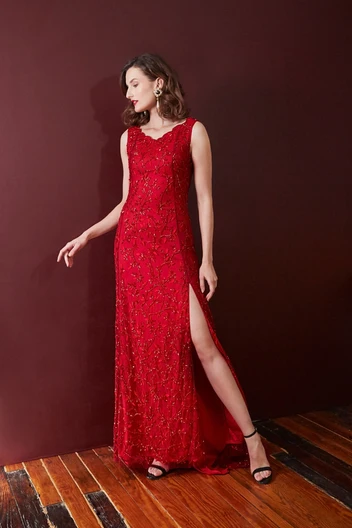
Not every formal event calls for the same silhouette, and knowing the difference saves you from either overdressing or underdressing. A black-tie gala or wedding usually calls for a full-length gown — something dramatic, with a train, sculptural beading, or a bold color that photographs well under evening lighting.
A charity dinner or milestone celebration might lean toward something equally elegant but slightly less formal, like a cocktail-length dress with intricate embroidery or a tailored silk jacket layered over separates. It also helps to think about how the fabric will move. Tulle and chiffon create softness and motion, which reads beautifully on a dance floor. Satin and silk hold structure and shine, which photographs sharper under flash.
Feather trim and hand beading both add texture that catches light from a distance, which matters more than people expect in a large ballroom. None of this is really about trends — it's about matching the garment's physical properties to the room you'll actually be standing in.
Planning Your Timeline the Smart Way
If there's one mistake people make repeatedly, it's waiting too long to start. Because made-to-order gowns require real production time — again, roughly 8 to 10 weeks — plus time for your fitting and any final adjustments, procrastinating until a month before the event puts you in a tough spot.
Ideally, you want to start browsing and choosing your gown at least three to four months out, especially for events tied to a fixed date like a wedding. This isn't just about avoiding stress. Rushed production and rushed fittings tend to produce a less polished result.
Giving the process room to breathe means the designer can actually take care with the details instead of racing a deadline. Himelhoch's Atelier's own guidance on how far in advance to order an evening gown is a genuinely helpful reference if you're trying to map out a realistic schedule.
Caring for a Gown Once You Own It
A luxury gown is an investment, and like any investment, it deserves some upkeep. Delicate fabrics, hand beading, and embroidery don't respond well to careless storage — folding a beaded bodice, for instance, can crack embellishments over time. The better approach is padded hangers, breathable garment bags (never plastic, which traps moisture), and keeping the piece away from direct sunlight that can fade dye over the years.
If you're traveling with a gown, rolling rather than folding tends to reduce creasing, and steaming rather than ironing protects delicate trims from heat damage. For anyone who wants the full breakdown, there's a solid resource on how to care for and store a luxury evening gown that covers silk, velvet, and beaded fabrics individually — worth bookmarking if you plan to wear the gown more than once.
Frequently Asked Questions
How long does it take to receive a made-to-order gown?
Typically around 8 to 10 weeks from the time you place your order, since the gown is produced specifically for you rather than pulled from existing stock.
Is a fitting really necessary if I already know my size?
Yes — even accurate measurements don't account for how a gown drapes on your specific body once it's constructed. A proper fitting catches small adjustments that make a noticeable difference in the final look.
What's the real difference between made-to-order and custom design?
Made-to-order means your gown is produced from an existing design once ordered, with sizing built around you. Fully custom means the design itself is built from scratch around your personal input from the very beginning.
How far in advance should I start shopping for a wedding or gala gown?
Three to four months ahead is a safe window, giving enough time for production, fitting, and any final adjustments without rushing the process.
Can delicate fabrics like tulle or silk be preserved long-term?
Yes, with the right care — breathable garment bags, padded hangers, and avoiding folding pieces with beading or embroidery will keep a gown in good condition for years.
Final Thoughts
Choosing a gown for a major occasion isn't just a shopping task to check off — it's part of how you'll remember the night itself. The difference between a good gown and a genuinely great one usually comes down to details most people don't think about upfront: the fabric's behavior, the precision of the fit, and the amount of real craftsmanship behind the construction.
Give yourself enough time, pay attention to how a piece is actually made rather than just how it looks in a photo, and don't underestimate what a proper fitting can do. A well-chosen, well-fitted gown doesn't just look elegant — it lets you actually enjoy the evening instead of adjusting a strap all night.

 English
 Arabic
 French
 Spanish
 Portuguese
 Deutsch
 Turkish
 Dutch
Dutch
 Italiano
 Romaian
 Portuguese (Brazil)
 Greek
Greek