


How to Choose Aesthetic Treatments for Healthier Looking Skin
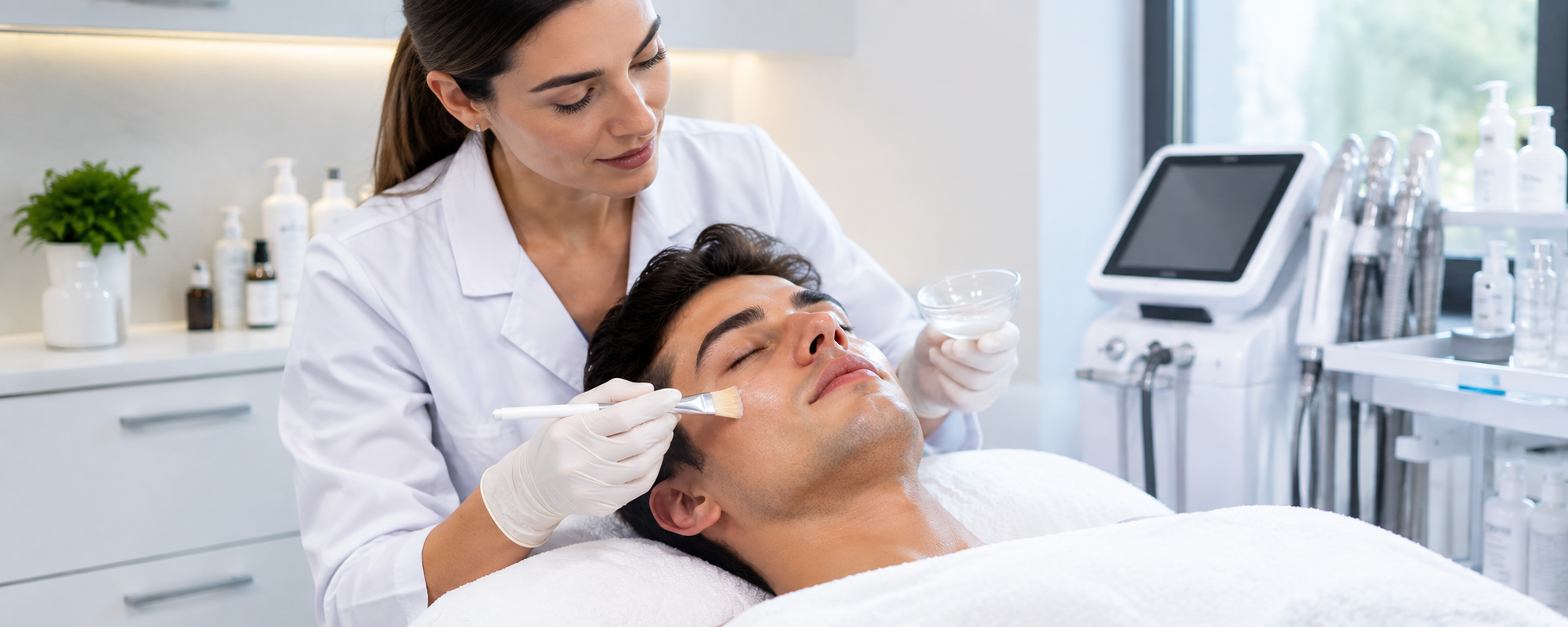
Modern aesthetic medicine continuously evolves to offer transformative results without requiring invasive surgery or extended downtime. Patients today seek customized solutions that target skin texture, volume loss, fine lines, and overall vitality while maintaining a completely natural look.
Advanced medical spas bridge the gap between clinical expertise and luxury relaxation, delivering physician backed care that aligns with individual anatomy and beauty goals. Achieving a radiant and youthful complexion requires understanding how different dermatological innovations work synergistically to restore skin health from the cellular level upward.
Exploring Advanced Injectables For Facial Harmony
Injectable treatments remain a cornerstone of non surgical facial rejuvenation, offering precision control over fine lines, wrinkles, and structural volume depletion. Neurotoxins such as Botox effectively relax dynamic expression muscles, preventing the formation of deep creases around the eyes and forehead.
Meanwhile, advanced dermal fillers composed of hyaluronic acid or biostimulatory materials restore youthful contour to the cheeks, lips, and jawline. These treatments require an intimate knowledge of facial anatomy to achieve balanced, natural looking outcomes that preserve authentic facial expressiveness.
Start With Your Skin Concern, Not the Latest Trend
Aesthetic treatments have become more varied, offering options for people concerned about fine lines, uneven skin tone, acne scars, loss of facial volume, and changes in skin texture. With so many choices available, it can be tempting to select a procedure because it is popular or widely discussed online. However, a treatment's popularity does not establish that it is suitable for every person.
The first step is to identify the specific concern you want to address. Fine lines caused by repeated facial movement may require a different approach from sun related pigmentation or deeper acne scars. A qualified provider can assess the skin and explain which options may be appropriate.
Comparing Common Treatment Options
Treatments for Uneven Tone and Dull Skin
Chemical peels and selected light based treatments may improve certain forms of pigmentation and uneven skin tone. The choice depends on the type of discoloration, skin sensitivity, skin tone, and medical history. Some pigmentary conditions require medical diagnosis before cosmetic treatment is considered.
Daily sun protection remains important because ultraviolet exposure can contribute to premature skin aging and the return of pigmentation. A provider may also recommend a suitable home skincare routine to support and maintain treatment results.
Options for Texture, Fine Lines, and Scarring
Microneedling and laser resurfacing may help improve selected texture concerns, including some acne scars and fine lines. These procedures work differently and have different recovery requirements. More intensive treatments may offer greater improvement for certain concerns but can also carry greater risks.
Patients should ask how many sessions may be needed, how results will be evaluated, and what complications are possible. Those with active skin infections, particular skin conditions, or a tendency toward abnormal scarring may require additional assessment.
Injectable Treatments for Expression Lines and Volume
Botulinum toxin may soften certain dynamic lines by temporarily reducing the activity of targeted muscles. Dermal fillers may restore volume or modify selected facial contours. These treatments should be administered by qualified professionals with appropriate knowledge of facial anatomy and complication management.
Patients should understand that fillers can cause serious complications in rare cases, including tissue injury from unintended blockage of a blood vessel. The provider should explain the risks and what emergency arrangements are available.
A Practical Framework for Choosing a Treatment
When comparing best medspa treatments, there is no single procedure that is best for everyone. The right choice depends on the concern being treated, the expected benefit, the patient's health, and their willingness to accept recovery time and risk.
Consider these questions during a consultation:
- Is this treatment intended for my particular concern?
- What level of improvement is realistic?
- What alternatives are available?
- What will the full cost include?
- What training and experience does the provider have with this procedure?
It is also worth asking whether treatment can be staged rather than performed all at once. A gradual plan may make it easier to evaluate the response before deciding whether further treatment is necessary.
Why Provider Qualifications Matter
Aesthetic procedures are still medical procedures, even when they are performed in a spalike environment. Depending on the treatment, complications may include burns, infection, scarring, pigmentation changes, allergic reactions, or vascular injury.
Patients should confirm the provider's credentials, the exact device or product being used, and the availability of appropriate follow up. Be cautious of offers that rely on pressure, guaranteed results, or claims that a procedure has no risks.
Planning for Recovery and Maintenance
Recovery can range from minimal temporary redness to several days or longer, depending on the procedure. Before treatment, ask when normal skincare, exercise, sun exposure, and makeup can be resumed. Follow the provider's instructions rather than relying on a general online timetable.
Results also vary. Some treatments require maintenance, while others produce changes that develop over time. A clear treatment plan should explain the likely duration of results and the circumstances in which another session might be considered.
Conclusion
Choosing an aesthetic treatment is easier when the decision begins with a clear skin concern and an understanding of the available options. Peels, lasers, microneedling, and injectables each have specific uses, limitations, and safety considerations.
Rather than chasing trends, patients should prioritize qualified providers, evidence informed recommendations, realistic expectations, and suitable aftercare. This approach supports more thoughtful decisions about aesthetic care while keeping skin health and personal preferences at the center.

 English
 Arabic
 Spanish
 Portuguese
 Deutsch
 Turkish
 Dutch
Dutch
 Italiano
 Russian
 Romaian
 Portuguese (Brazil)
 Greek
Greek