


Mini Tummy Tuck in Dubai: Scarring and Healing Process
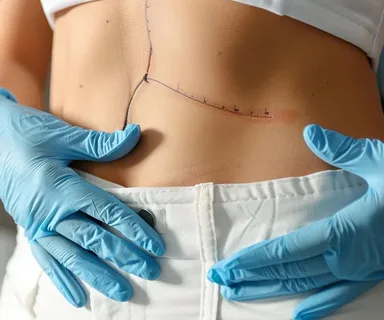
Scarring is one of the most common concerns patients raise before a mini tummy tuck in Dubai. Any surgical incision leaves a scar, and while the mini approach uses a shorter incision than a full abdominoplasty, the mark is still permanent. What varies is how noticeable it becomes over time—and several factors influence that. This article explains where the scar is placed, how it heals, and what patients can do to support the best possible appearance.
Where the Incision Is Placed
A mini tummy tuck typically uses a single horizontal incision low on the abdomen, positioned near or within the pubic hairline. Because the procedure focuses below the navel, the belly button is usually left undisturbed, meaning no circular scar around it.
The incision length depends on how much skin needs to be removed. In most cases, it is shorter than the hip-to-hip scar associated with a full tummy tuck. Placement is planned so that underwear, swimwear, and most clothing conceal the line.
In our clinical experience, patients often find the scar less visible than they anticipated once it matures, though this varies with individual healing.
Mini Tummy Tuck in Dubai: How Scars Mature Over Time
Scar healing unfolds in stages:
-
Weeks 1–2: The incision is red, raised, and tender as it closes.
-
Weeks 3–6: Sutures are removed or dissolve; the line remains pink and firm.
-
Months 2–3: The scar begins to flatten and lighten; swelling subsides.
-
Months 6–12: The scar continues to fade, becoming softer and less prominent.
-
Beyond 12 months: Maturation is largely complete, though subtle changes may continue.
This timeline is general. Some patients heal faster; others take longer. Genetics, skin type, and overall health all play a role. A mini tummy tuck in Dubai performed with careful technique and tension-free closure supports better scar appearance, but no surgeon can guarantee an invisible result.
Factors That Affect Scar Appearance
Several variables influence how a scar heals:
-
Genetics: A personal or family history of keloids or hypertrophic scars increases risk.
-
Skin tone: Darker skin types may be more prone to pigmentation changes.
-
Tension on the incision: Proper surgical technique reduces this.
-
Infection or wound issues: These can worsen the final scar.
-
Smoking: Impairs healing and blood flow.
-
Sun exposure: UV rays can darken a healing scar.
-
Nutrition: Adequate protein and vitamins support tissue repair.
Patients should share any history of abnormal scarring during consultation so the surgeon can plan accordingly.
Supporting Healthy Scar Formation
Practical steps patients can take include:
-
Keeping the incision clean and dry as instructed
-
Avoiding tension on the area during early healing
-
Not lifting heavy objects before clearance
-
Using silicone gel or sheets if recommended
-
Protecting the scar from sun exposure
-
Avoiding smoking and excessive alcohol
-
Attending follow-up visits for monitoring
Some surgeons recommend gentle massage once the incision is fully closed. Scar treatment products vary, and patients should follow their surgeon's guidance rather than experimenting with unproven remedies.
When a Scar May Need Attention
Occasionally, a scar heals in a way that concerns the patient or surgeon. Issues may include:
-
Hypertrophic scarring (raised but confined to the incision)
-
Keloid formation (extends beyond the original incision)
-
Widening of the scar
-
Persistent redness or pigmentation
These can sometimes be addressed with steroid injections, laser therapy, or revision, depending on the situation. Patients should raise concerns at follow-up rather than waiting.
Realistic Expectations
A mini tummy tuck scar will never disappear completely. The goal is a fine, flat line that is easily concealed. Most patients accept the trade-off between the scar and the improvement in abdominal contour, especially when the scar is positioned discreetly.
Discussing scar expectations before surgery is part of informed consent. A surgeon who explains placement, healing, and limitations honestly helps patients prepare mentally for the recovery process.
Professional Guidance on Scar Care
Scar management begins in the operating room and continues through recovery. Choosing a surgeon with experience in body-contouring closures and following aftercare instructions give the best chance of a favorable scar.
Tajmeels Clinic in Dubai offers consultations for patients considering a mini tummy tuck, including discussion of incision placement, expected scarring, and aftercare. The clinical team emphasizes individualized planning and realistic expectations throughout the process.
A mini tummy tuck in Dubai leaves a permanent but typically discreet scar. Understanding how it heals and what supports good maturation helps patients approach surgery with clear expectations.
Conclusion
Scarring after a mini tummy tuck in Dubai is inevitable but usually manageable. The incision is short and placed low, and the scar matures over six to twelve months, becoming flatter and lighter. Genetics, lifestyle, and aftercare influence the final appearance. While no scar can be erased entirely, most patients find it an acceptable trade-off for improved abdominal contour. Discuss scar expectations with your surgeon before surgery and follow aftercare instructions carefully.
Book Your Consultation at Tajmeels Clinic
Book your consultation at Tajmeels Clinic to discuss your goals, treatment options, expected results, and recovery with our medical team. Contact us today to learn whether treatment is suitable for you and receive an individualized treatment plan.
WhatsApp: +971 56 203 8751
Phone: +971 4 373 9000
Social Media:

 English
 Arabic
 French
 Spanish
 Portuguese
 Deutsch
 Turkish
 Dutch
Dutch
 Italiano
 Romaian
 Portuguese (Brazil)
 Greek
Greek