


Topical Acne Treatments: What to Know
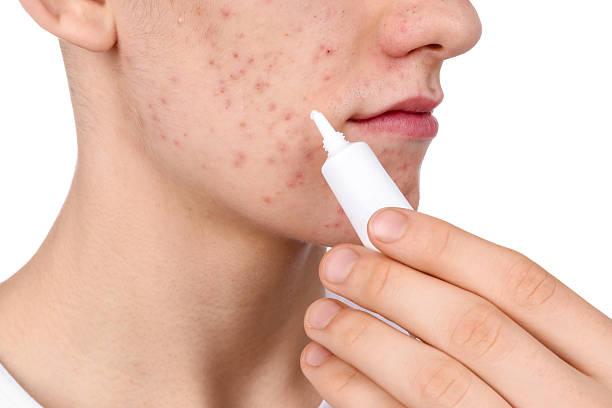
Acne is one of the most common skin concerns, affecting people of different ages and skin types. It can appear as blackheads, whiteheads, inflamed pimples, or deeper blemishes that may leave marks on the skin. Understanding the available topical treatments can help you develop a skincare routine that addresses your specific concerns. With the right ingredients, consistent application, and professional guidance, it is possible to manage breakouts and support healthier-looking skin.
For individuals exploring Acne Treatment in Riyadh, topical products can be an important part of an effective skincare plan. Options for pimples treatment in riyadh range from over-the-counter creams to prescription medications recommended by qualified skincare professionals. Choosing the right treatment depends on your acne type, skin sensitivity, and the underlying factors contributing to breakouts.
What Are Topical Acne Treatments?
Topical acne treatments are products applied directly to the skin to reduce clogged pores, control excess oil, decrease inflammation, and prevent new blemishes. They are available as cleansers, gels, creams, lotions, and serums. Some products target existing pimples, while others help prevent future breakouts by keeping pores clear.
The most suitable option depends on whether your acne consists mainly of blackheads, whiteheads, inflammatory pimples, or deeper lesions. Using appropriate ingredients consistently is generally more beneficial than frequently switching between products.
Common Ingredients Used in Acne Treatments
Benzoyl Peroxide
Benzoyl peroxide helps reduce acne-causing bacteria and can be particularly useful for inflammatory pimples. It is available in different concentrations and may cause dryness, redness, or irritation, especially when first introduced. Starting with a lower concentration can help improve tolerance. This ingredient may also bleach towels, clothing, and pillowcases.
Salicylic Acid
Salicylic acid is a beta-hydroxy acid that helps exfoliate the skin and remove dead skin cells that contribute to clogged pores. It is commonly used for blackheads, whiteheads, and mild breakouts. People with sensitive or dry skin should introduce it gradually to reduce the risk of irritation.
Topical Retinoids
Topical retinoids, including adapalene, help regulate skin cell turnover and prevent pores from becoming clogged. They are often used to manage comedonal acne and reduce future breakouts. Dryness, peeling, and temporary irritation may occur during the initial weeks of use.
Retinoids are not suitable for everyone. They should generally be avoided during pregnancy or when trying to conceive unless a qualified healthcare professional provides specific guidance.
Azelaic Acid
Azelaic acid can help unclog pores, reduce inflammation, and improve the appearance of post-acne dark spots. It may be a useful option for people concerned about both breakouts and uneven skin tone. Although it is often well tolerated, mild stinging or irritation can occur.
How to Choose the Right Topical Treatment
Consider Your Skin Type
Oily skin may benefit from lightweight, non-comedogenic gels, while dry or sensitive skin may require gentler formulations and a suitable moisturizer. Products labeled non-comedogenic are designed to be less likely to clog pores, although individual responses can vary.
Introduce Products Gradually
Using several active ingredients at once can irritate the skin and make acne appear worse. Start with one suitable treatment, follow its directions, and introduce additional products gradually if needed. A dermatologist can help determine whether combining ingredients is appropriate for your skin.
Building an Effective Acne Skincare Routine
A consistent routine supports the effectiveness of topical treatments. In the morning, use a gentle cleanser, apply a suitable moisturizer, and finish with broad-spectrum sunscreen with SPF 30 or higher. Sun protection is especially important when managing acne-related dark marks and irritation.
In the evening, cleanse your skin gently and apply your chosen acne treatment according to its instructions. Follow with a moisturizer to help maintain the skin barrier. Avoid harsh scrubs, excessive washing, and squeezing pimples, as these habits can worsen irritation and increase the risk of scarring.
When Should You Seek Professional Acne Treatment?
Mild acne may improve with appropriate over-the-counter products, but persistent or severe breakouts often require professional assessment. Seek guidance if acne causes painful nodules, leaves scars, spreads extensively, or does not improve after several weeks of consistent treatment.
A skincare professional can assess your skin, identify possible triggers, and recommend a personalized plan. Some cases require prescription medication or a combination of treatments rather than topical products alone. Improvement often takes several weeks, so patience and consistent use are essential.
Frequently Asked Questions
How long do topical acne treatments take to work?
Many topical treatments require six to eight weeks to show noticeable improvement, while more significant results may take longer. The timeline depends on the ingredient, acne severity, and consistency of use.
Can I use salicylic acid and benzoyl peroxide together?
They can sometimes be used in the same skincare routine, but combining them may increase dryness and irritation. Introduce products gradually and consult a dermatologist if you are unsure how to use them together.
Are topical acne treatments suitable for sensitive skin?
Some treatments can be suitable for sensitive skin when introduced carefully. Gentle formulations, lower concentrations, and regular moisturizing may help, but persistent irritation means you should stop the product and seek professional advice.
Can topical treatments remove acne scars?
Topical treatments may help fade post-acne dark spots and improve mild uneven texture, depending on the ingredient. Established depressed or raised scars often require additional professional treatments.
Should I stop using acne products once my skin clears?
Not necessarily. Some treatments help prevent new breakouts when used as maintenance therapy. A healthcare professional can advise whether to continue, reduce, or change your routine.
Short Consultation at Enfield Royal Clinic
If acne, recurring pimples, or post-acne marks are affecting your confidence, professional guidance can help you understand your options. Enfield Royal Clinic offers an opportunity to explore suitable skincare approaches based on your concerns and skin needs. Arrange a consultation to discuss your acne, understand the available treatments, and develop a practical skincare plan focused on healthier-looking skin.

 English
 Arabic
 French
 Spanish
 Portuguese
 Deutsch
 Dutch
Dutch
 Italiano
 Russian
 Romaian
 Portuguese (Brazil)
 Greek
Greek