


The Benefits of In-Home Pet Care During a Difficult Time
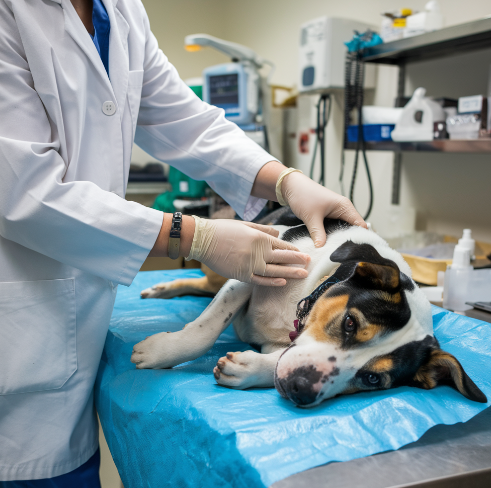
There is something deeply comforting about being at home with a beloved pet. The familiar surroundings, favorite sleeping spots, everyday sounds, and presence of family members can make home feel like the safest place in the world. For pets who are aging, seriously ill, or approaching the end of their lives, that sense of familiarity can become even more important.
When difficult decisions about a pet's care arise, families often have to think about more than medical needs. They also have to consider stress, mobility, transportation, and the emotional well-being of everyone involved. In-home pet care offers an option that allows certain services to take place without removing the pet from the environment where they feel most comfortable.
When a Trip to the Clinic Becomes Difficult
Veterinary clinics play an essential role in keeping pets healthy. Routine examinations, diagnostics, vaccinations, and emergency treatment often require a visit to a veterinary facility. But not every situation requires a pet to leave home.
Imagine an older dog who struggles to climb stairs or walk to the car. Consider a cat that becomes extremely anxious as soon as a carrier appears. For a pet experiencing weakness or significant discomfort, even a short journey can become physically and emotionally challenging.
In these circumstances, bringing appropriate care to the pet can remove one of the most difficult parts of the experience: getting there.
Home Is More Than Just a Location
For a pet, home is a collection of familiar experiences.
It is the blanket they sleep on every night. It is the person whose voice they recognize immediately. It is the sunny spot where they spend their afternoons and the room where they have spent years being part of the family.
When a pet is vulnerable, maintaining that familiarity can provide a sense of security.
In-home care allows families to create a setting around their pet rather than asking the pet to adapt to a new environment. A favorite blanket can stay in place. Family members can remain nearby. The pet can rest in a familiar position without having to endure unnecessary movement.
That difference may seem small, but during a difficult period, small comforts can matter.
The Practical Side of In-Home Care
There is also a practical reason families consider in-home services. Transportation can require considerable effort when a pet has limited mobility or is experiencing serious health problems.
An in-home appointment can remove several logistical challenges at once:
· No need to arrange transportation.
· Less handling of a weak or uncomfortable pet.
· No waiting room or unfamiliar clinical environment.
· Family members can be present more easily.
· The pet can remain in a familiar space.
For families already dealing with the emotional weight of a pet's declining health, simplifying these practical details can make the experience easier to manage.
Understanding Quality of Life
One of the hardest questions for a pet owner is knowing when their companion's quality of life has changed.
Aging itself is not necessarily a reason for concern. Pets naturally slow down as they grow older. However, significant changes in appetite, mobility, behavior, comfort, or interest in everyday activities may lead a family to seek professional guidance.
A quality-of-life conversation gives owners an opportunity to step back and look at the bigger picture.
Instead of asking only, “Is my pet having a bad day?”, families may begin considering questions such as:
· Is my pet still able to enjoy the things they once loved?
· Are they able to rest comfortably?
· Are difficult days becoming more frequent?
· Have their eating, drinking, or mobility patterns changed?
· Does their daily routine still seem enjoyable?
These conversations do not have to result in an immediate decision. Sometimes, simply understanding what a pet may be experiencing can help a family feel more prepared for what comes next.
Why the Familiar Setting Can Matter During End-of-Life Care
For some families, the idea of a pet spending its final moments in a veterinary clinic does not feel right. They may prefer a quieter environment where their companion can remain surrounded by familiar people and possessions.
In-home euthanasia can provide that possibility when it is medically appropriate.
A family might choose a favorite room, a garden, a comfortable bed, or another meaningful place. There is no universal setting that is right for every pet. What matters is creating an environment that feels peaceful and familiar.
The experience can become less about the clinical surroundings and more about the relationship that has existed between the pet and its family.
More Time to Say Goodbye
One of the most meaningful aspects of being at home is having the freedom to spend time together.
Family members may want to sit with their pet, talk to them, remember special moments, or simply stay close. Children may also want an opportunity to say goodbye. Being at home can give each person the space to process the moment in their own way.
There is no need for the goodbye to feel rushed.
For many families, that privacy is an important part of creating a meaningful farewell.
Preparing Before a Difficult Moment Arrives
Families do not have to wait until their pet is in crisis to learn about their options.
Having a conversation with a veterinarian about quality of life, understanding available in-home services, and discussing preferences with other family members can make future decisions less overwhelming.
A little preparation can answer practical questions before emotions become intense.
For example, families can learn:
What services are available?
Understanding the difference between quality-of-life consultations, hospice support, and end-of-life services can help owners know what to expect.
How does an in-home appointment work?
Knowing what happens before, during, and after a visit can remove some uncertainty.
What happens afterward?
Families may also want to understand available aftercare and memorial options ahead of time.
Planning does not mean giving up hope. It simply means being informed.
A Different Way to Approach a Difficult Goodbye
In-home pet care cannot replace every type of veterinary service, and emergencies always require appropriate medical attention. However, when in-home care is suitable, it can provide a meaningful alternative to traveling to a clinic.
For families in and around San Antonio, services such as those offered by Gentle Pet Passages can help make quality-of-life and end-of-life care more personal by allowing pets to remain in their familiar surroundings.
The benefit is not simply convenience. It is the opportunity to create an environment centered around comfort, familiarity, family, and dignity.
Final Thoughts
A pet's final chapter can be difficult to navigate, but families do not have to approach it without preparation or support. Understanding the available options can make it easier to focus on what matters most: the comfort and well-being of the animal who has been part of the family for so long.
For some pets, home may be the most peaceful place to receive appropriate end-of-life care. Surrounded by familiar smells, familiar voices, and the people they trust, they can remain in an environment that feels safe.
And for the family, being able to share those final moments at home can create a quiet, personal farewell—one centered not on the difficulty of saying goodbye, but on the life and companionship that came before it.

 English
 Arabic
 French
 Portuguese
 Deutsch
 Turkish
 Dutch
Dutch
 Italiano
 Russian
 Romaian
 Portuguese (Brazil)
 Greek
Greek