


Boiler Service in Hackney | Checking Your Boiler After Heating System Changes in 2026 to 2027
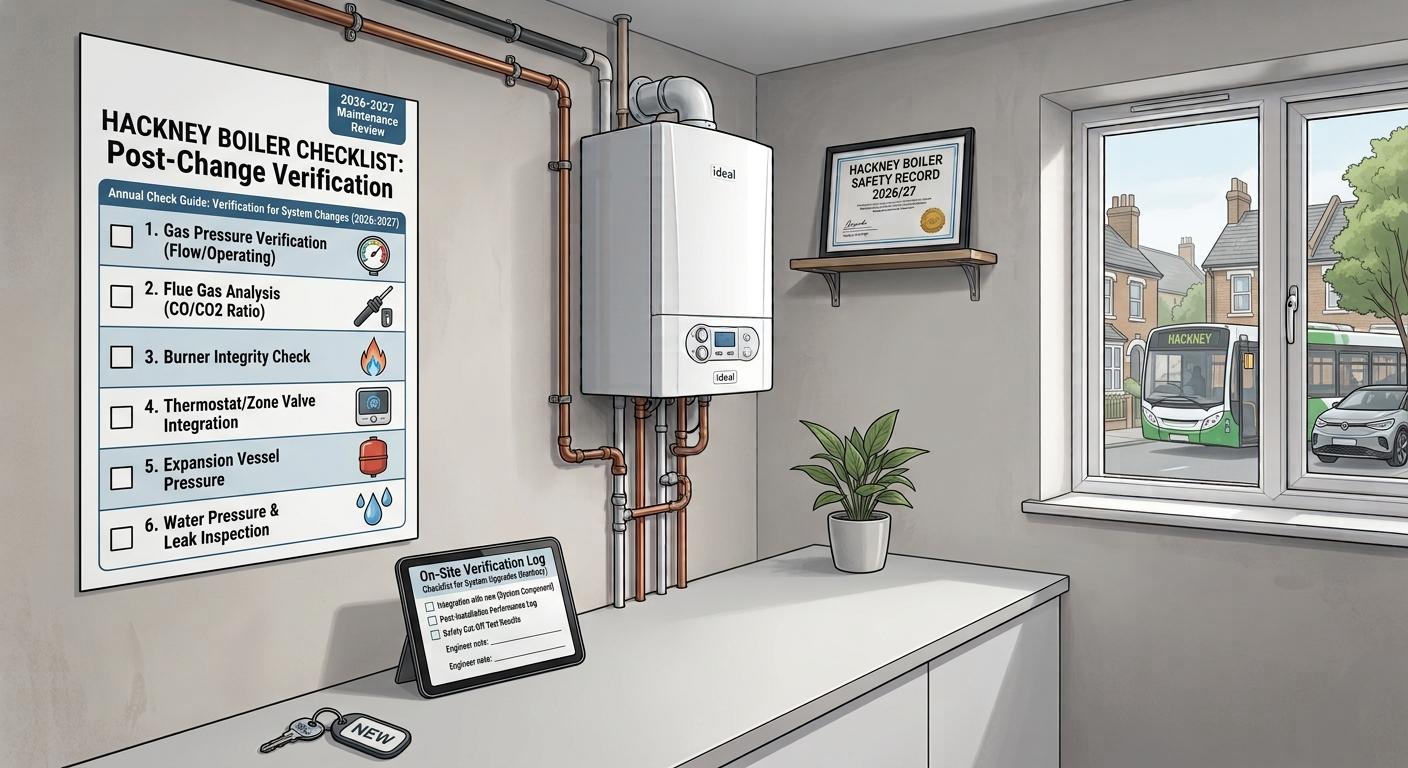
A heating system rarely stays exactly the same throughout the life of a property. Homeowners may replace a thermostat, install additional radiators, renovate a bathroom or make changes to the pipework. Although these improvements may serve a practical purpose, they can also change how the heating system operates.
After work has been completed, it is worth considering whether the boiler and the wider system are functioning as expected. Arranging a Boiler Service in Hackney gives homeowners an opportunity to discuss the appliance's condition and identify whether any concerns require further investigation.
Why Changes Elsewhere in the Home Matter?
The boiler is only one part of a central heating system. It works alongside pipework, radiators, controls and other components to provide heating and hot water.
When one part of the system changes, the way the installation operates may change too. For instance, adding radiators can alter the system's heating demand, while replacing a thermostat may affect how heating requests are communicated to the boiler.
These changes do not automatically mean that something is wrong. However, if the system behaves differently afterwards, the timing is worth mentioning to the engineer.
Explain what work was completed, approximately when it happened and whether you noticed any difference afterwards. This information can help determine whether the concern relates to the boiler itself or requires a separate assessment of the wider installation.
What If the Heating Behaves Differently After an Upgrade?
One common concern after heating work is that the system no longer feels the same as it did before.
Perhaps the radiators take longer to warm up, the heating switches off sooner than expected or the thermostat appears to respond differently. You may also notice that the temperature varies between rooms.
There can be several reasons for these changes. The system's controls may need attention, circulation may require investigation or the boiler may have developed an unrelated fault.
An engineer should assess the symptoms before recommending a solution. Replacing a boiler component without understanding the problem could leave the original complaint unresolved.
During your appointment, describe the difference between the system's previous behaviour and its current operation. A clear comparison is often more useful than trying to identify the technical cause yourself.
Have You Changed the Thermostat or Heating Schedule?
Heating controls influence when the boiler receives a demand for heat. A replacement thermostat, new programmer or altered schedule can therefore change the way the appliance operates.
After changing controls, check that the displayed time, temperature and programmed periods match your household's needs. Refer to the manufacturer's instructions if you are unsure how to use the ordinary settings.
If the controls seem correct but the boiler does not respond as expected, mention this during the service appointment.
The engineer may be able to identify whether the issue requires attention during the agreed visit or whether a separate diagnostic assessment is needed. Not every control-related problem can be resolved through routine servicing alone.
Should New Radiators or Pipework Be Mentioned?
Yes. If additional radiators have been fitted or pipework has been altered, share that information with the engineer.
Heating improvements can involve changes beyond the boiler, and understanding the installation's history helps provide context for any symptoms. For example, a radiator that remains cool after recent plumbing work may require investigation of the heating circuit rather than an assumption that the boiler has failed.
It is also useful to mention whether the work was completed by a qualified professional and whether any concerns appeared immediately afterwards.
Do not attempt to modify pipework, remove boiler covers or make internal adjustments yourself. If the heating system is not performing properly after alterations, arrange an appropriate professional assessment.
What Should a Routine Service Establish?
A routine service focuses on the boiler and the checks appropriate to its make, model, installation and manufacturer requirements. For a gas boiler, this may include inspection of relevant components, combustion checks and assessments of applicable safety features.
The precise procedure varies, so ask the provider what is included before the appointment.
If the engineer discovers an issue associated with the wider heating system, a separate investigation may be needed. Likewise, if recent installation work has left a specific fault unresolved, explain this clearly rather than assuming a routine service will automatically correct it.
The aim is to understand the boiler's condition and establish whether further action is necessary.
Get Clear Advice Before Approving Extra Work
If the engineer recommends additional work, ask how it relates to the findings. You should understand whether the proposal concerns a confirmed fault, a possible cause that needs investigation or a separate maintenance requirement.
Request a quotation before agreeing to repairs that fall outside the original appointment. Check whether the price includes parts, labour and any follow-up visit.
If several solutions are suggested, ask what distinguishes them and why a particular option is recommended. This allows you to compare the available choices without relying on unfamiliar technical terms.
Keep the report and invoice after the appointment. If another issue develops later, these records may help explain what was previously checked and which recommendations were made.
Plan Maintenance Around Future Home Improvements
If you expect to make further changes to your heating system, consider how the work will affect the overall installation. Discuss the intended changes with a suitably qualified professional before proceeding, particularly if they involve the boiler, gas pipework, flue or system controls.
Keep records of significant alterations and any commissioning or maintenance documents supplied after the work. These details can be valuable during future servicing.
Annual servicing is common for domestic boilers, although the manufacturer's recommendations should guide the appropriate schedule. Routine maintenance remains worthwhile even when no recent changes have been made.
Frequently Asked Questions
Should I arrange a service after installing a new thermostat?
A thermostat replacement does not automatically mean a separate boiler service is required. If the boiler's operation has changed or you have concerns about the installation, seek appropriate professional advice.
Can adding radiators affect boiler performance?
It can change the heating system's demand and operation. Whether adjustments or further work are necessary depends on the installation and the changes made.
Does a standard boiler service cover plumbing alterations?
Not necessarily. Plumbing work or problems elsewhere in the heating system may require a separate assessment or quotation.
How often should I book a boiler service?
Annual servicing is common for domestic boilers. Follow the manufacturer's guidance and any applicable maintenance requirements.
Who should service a gas boiler in Hackney?
Choose a Gas Safe registered engineer whose registration covers the work being undertaken.
Changes to radiators, controls or pipework can affect how a heating system behaves, but they do not automatically indicate a boiler fault. A Boiler Service in Hackney provides an opportunity to review the appliance's condition, explain any changes you have noticed and establish whether further checks are appropriate. Keeping a record of alterations and asking for clear explanations can help you manage future maintenance with greater confidence.

 English
 French
 Spanish
 Portuguese
 Deutsch
 Turkish
 Dutch
Dutch
 Italiano
 Russian
 Romaian
 Portuguese (Brazil)
 Greek
Greek