


Boiler Removal in Plaistow, NH: What Happens to the Old Unit and How to Plan It
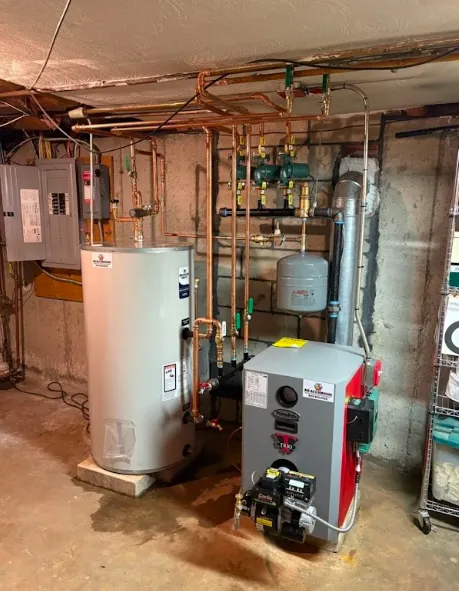
Boiler removal is the job of safely shutting down an old boiler, draining the system, disconnecting the fuel, water, and venting connections, and carrying the unit out of your home. A licensed heating contractor handles it, and it can happen on its own or as the first stage of a new installation. How long it takes depends on the boiler’s size, where it sits, and the condition of the pipes around it.
Many homeowners only think about the old boiler once a replacement quote arrives, but the removal deserves its own attention. When you compare estimates for boiler removal in Plaistow, NH, ask exactly what the price covers, because some quotes fold the work into a new installation and others treat it as a separate job. A clear answer up front prevents surprises on the day the crew arrives. It also tells you how seriously the contractor treats the less visible half of the project.
Why Homeowners Remove an Old Boiler
The most common reason is replacement. A boiler that leaks, keeps needing repairs, or has reached the end of its working life eventually comes out so a new, properly sized unit can go in. Others remove a boiler because they are changing systems. A home that moves to a furnace, or adds ductless mini splits for heating and cooling, may no longer need the old boiler taking up basement space. Some people simply want an unused unit gone before selling the house or finishing a basement. In every case the goal is the same: get the old equipment out without damaging the pipes, floors, or walls around it, and leave the rest of the system safe.
What the Removal Process Involves
Every house is different, but the work follows a familiar order. The technician first shuts off the fuel supply and the electrical power so nothing can start while the crew works. Next comes draining the water from the boiler and, where needed, the connected heating loops. Once the unit is drained and cool, the crew disconnects the supply and return piping, the fuel line, the controls, and the flue that carries exhaust outside. Then the boiler is moved out. Finally, any open pipes and lines are capped or prepared for whatever comes next, whether that is a new boiler or a different heating system.
Size, age, and location change the effort. Boilers are heavy and often sit in tight basements or utility rooms, so the route out matters. A crew that plans the path ahead protects your stairs and doorways. A compact wall-hung unit comes out very differently from a cast iron boiler that has sat in one spot for decades, and older systems can have corroded fittings or stuck valves that slow the job. That is one reason an in-home look before the work starts beats a price quoted over the phone.
Oil Boilers and the Tank Question
If your home heats with oil, the boiler is only part of the picture. The oil tank, the fuel line, and the burner all connect to it, so removing an oil boiler raises a second decision about what happens to the tank and the fuel inside. Some homeowners keep the tank and connect a new oil boiler to it. Others replace the tank at the same time, especially when it is old. Others remove it entirely when they switch fuels.
Because these choices overlap, it helps to work with a contractor who handles both. Big Al’s Services is a Plaistow heating and cooling company that is licensed for gas and oil heating in New Hampshire and works on boilers and oil tanks together. That means the boiler and the tank can be planned as one project instead of two separate calls with two schedules.
Why This Is Not a DIY Job
Removal looks simple until you list what a boiler is connected to. It holds hot water, its fuel line carries flammable oil or gas, and its flue handles exhaust gases that include carbon monoxide. A mistake with any of these can mean a scald, a fuel leak, or a venting problem you will not notice until it is serious. Permit and disposal requirements can also vary by town and fuel type, so ask the contractor how both are handled instead of assuming.
Work on any fuel-burning appliance is also a good moment to test your carbon monoxide detectors. The CDC recommends having them near every sleeping area, and a detector that works costs far less than the problem it warns about. If an alarm ever sounds, get everyone outside and call 911 before anything else.
Timing the Job Around Your Heating Season
The easiest time to schedule removal and replacement is before cold weather settles in, when schedules are open and nobody is waiting on heat. That window is closing as winter gets closer, but it does not mean the job cannot be done. If your boiler fails in the middle of winter, a contractor with 24/7 emergency service can respond, assess the system, and plan the swap. The main thing to avoid is removing a working boiler in cold weather without a firm plan for the replacement date.
What to Ask Before You Hire
A few questions sort good contractors from vague ones. Ask whether removal is included in the written estimate, and whether the estimate comes after an in-home assessment. Ask how the old boiler leaves the house and where it goes afterward. Ask how the crew protects floors, stairs, and doorways, and what happens to the oil tank and fuel lines if you burn oil. Confirm that the contractor holds the right license for your fuel type. Finally, ask what the plan is if the new unit cannot go in on the same day, because the answer tells you whether you will have heat that night.
The Bottom Line
Removing a boiler is more than hauling out metal. It is a sequence of shutting down fuel and power, draining water, disconnecting piping and venting, and leaving the system ready for what comes next, and it is best planned with the replacement or the oil tank in mind. Get a written estimate that spells out what is included, ask how the old unit is handled, and choose a contractor licensed for the fuel you burn. Big Al’s Services handles this work for homes in Plaistow and nearby Atkinson, Hampstead, and Newton.
Frequently Asked Questions
How long does boiler removal take?
It depends on the boiler’s size, its location, and the condition of the piping and connections. A contractor can give you a realistic window after seeing the system in person, which is why an in-home assessment is worth asking for.
Can I remove my boiler without replacing it?
Yes, if your home no longer relies on it, such as after a switch to another heat source. The old connections still have to be capped properly, and you should never leave a home without working heat in cold weather.
Does boiler removal include the oil tank?
Not automatically. The tank is a separate decision, and you can keep it, replace it, or remove it. Ask for the tank to be addressed in the same written estimate so nothing is left out.
Is it safe to remove a boiler myself?
No. Boilers involve hot water, fuel lines, electrical power, and exhaust venting, and mistakes can cause injury, leaks, or carbon monoxide problems. Leave removal to a licensed heating contractor.

 English
 Arabic
 French
 Spanish
 Portuguese
 Deutsch
 Dutch
 Italiano
 Russian
 Romaian
 Portuguese (Brazil)
 Greek