


Why Dental Disease in Pets Often Goes Undetected Until It Affects Major Organs?
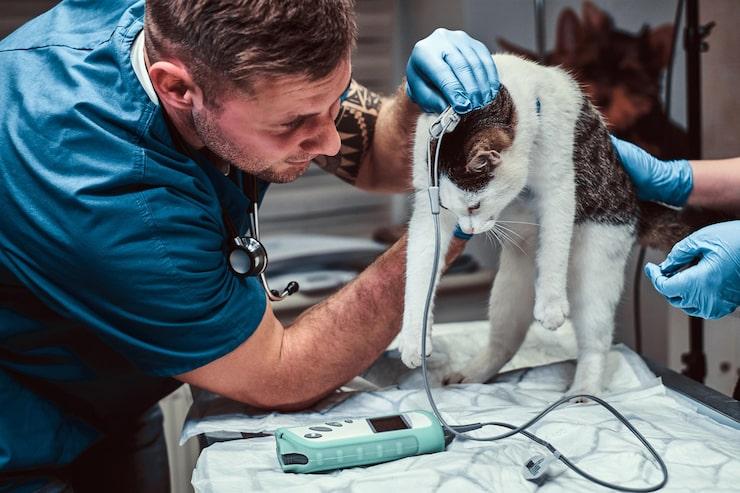
A pet may eagerly greet every meal, chase a favorite toy, and wag its tail as if nothing is wrong. Yet beneath that cheerful behavior, harmful bacteria may already be spreading from the mouth into the bloodstream. Unlike people, pets rarely show obvious signs of oral pain, making dental disease one of the most overlooked health concerns in veterinary medicine.
Many pet owners assume that bad breath or stained teeth are simply part of aging. In reality, these seemingly minor issues can signal an infection that gradually damages the gums, teeth, and even major organs such as the heart, liver, and kidneys. Understanding why dental disease often goes unnoticed is the first step toward protecting a pet's long-term health.
Pets Are Experts at Hiding Pain
Dogs and cats have evolved to conceal discomfort as a survival instinct. In the wild, displaying weakness could make an animal vulnerable to predators. Although today's pets live in loving homes, that instinct remains deeply rooted.
A pet suffering from advanced dental disease may continue eating, playing, and behaving normally while silently enduring chronic pain. Instead of refusing food altogether, many simply chew more slowly, favor one side of the mouth, swallow kibble whole, or avoid hard treats. These subtle behavioral changes are easy to overlook without regular observation.
This is one reason routine dental evaluations with a trusted Pembroke Pines vet are essential. Professional examinations often detect problems long before visible symptoms appear.
The Disease Begins Below the Gumline
One of the biggest challenges with dental disease is that much of the damage occurs where owners cannot see it.
Plaque begins forming within hours after eating. If it is not removed, it hardens into tartar that accumulates beneath the gumline. As bacteria multiply, they trigger inflammation, leading to gingivitis and eventually periodontal disease.
By the time loose teeth, swollen gums, or bleeding become obvious, significant tissue destruction has often already occurred. Hidden pockets of infection may surround the tooth roots, causing pain that remains invisible during casual home inspections.
Regular veterinary dental exams, including dental X-rays when necessary, allow veterinarians to identify these hidden problems before irreversible damage develops.
Oral Bacteria Can Travel Throughout the Body
Dental disease is far more than a problem limited to the mouth. As periodontal disease progresses, harmful bacteria can enter the bloodstream through inflamed gum tissue.
Once circulating through the body, these bacteria may contribute to inflammation in several vital organs, including:
-
The heart, increasing the risk of bacterial infections affecting heart valves.
-
The kidneys, where chronic inflammation may worsen existing kidney disease.
-
The liver, which must constantly filter bacteria and inflammatory byproducts from the blood.
While not every pet with dental disease develops organ complications, prolonged untreated infection significantly increases the risk. This is why veterinarians emphasize preventive dental care rather than waiting for severe symptoms to appear.
Early Warning Signs Are Often Mistaken for Normal Aging
Many symptoms of dental disease develop gradually, making them easy to dismiss as natural signs of getting older.
Pet owners frequently overlook warning signs such as:
-
Persistent bad breath.
-
Yellow or brown tartar buildup.
-
Red or swollen gums.
-
Excessive drooling.
-
Pawing at the mouth.
-
Difficulty chewing hard food.
-
Reduced interest in toys or treats.
-
Mild facial swelling.
Because these symptoms appear slowly, owners often adapt to them without realizing that an active infection is progressing. Routine wellness visits provide valuable opportunities for early diagnosis before dental disease affects overall health.
Preventive Dental Care Protects More Than Teeth
Preventive dentistry is one of the most effective ways to improve a pet's quality of life and reduce future medical complications.
A comprehensive preventive dental plan typically includes:
-
Professional dental examinations.
-
Routine dental cleanings performed under anesthesia.
-
Dental X-rays when indicated.
-
Daily tooth brushing using pet-safe toothpaste.
-
Veterinary-approved dental chews and diets.
-
Regular monitoring of gum health.
Professional cleanings remove plaque and tartar from areas that cannot be reached through brushing alone, especially beneath the gumline where disease begins. Consistent preventive care also reduces the likelihood of costly extractions and complex treatments later.
When Dental Problems Become an Emergency
Although many dental conditions progress slowly, certain symptoms require immediate veterinary attention.
Seek prompt care if a pet develops:
-
Sudden facial swelling.
-
Bleeding from the mouth.
-
Broken or fractured teeth.
-
Refusal to eat because of oral pain.
-
Difficulty opening the mouth.
-
Severe drooling accompanied by distress.
Searching for an urgent care animal hospital near me can help owners quickly locate veterinary professionals who can address painful dental emergencies before complications worsen.
Timely treatment can prevent infections from spreading further while relieving significant pain.
Conclusion
Dental disease often progresses quietly, making it one of the most underestimated threats to a pet's overall health. Because much of the damage occurs beneath the gumline and pets instinctively hide discomfort, infections may remain unnoticed until bacteria begin affecting major organs.
Routine dental examinations, preventive cleanings, and early intervention offer far more than a brighter smile, they help protect the heart, kidneys, liver, and overall well-being. Working closely with an experienced Pembroke Pines vet ensures that hidden dental problems are identified early, while knowing when to visit an urgent care animal hospital near me can make a critical difference during emergencies. Proactive dental care today can add years of healthier, happier life to a beloved companion.

 English
 Arabic
 French
 Spanish
 Portuguese
 Deutsch
 Dutch
Dutch
 Italiano
 Russian
 Romaian
 Portuguese (Brazil)
 Greek
Greek